

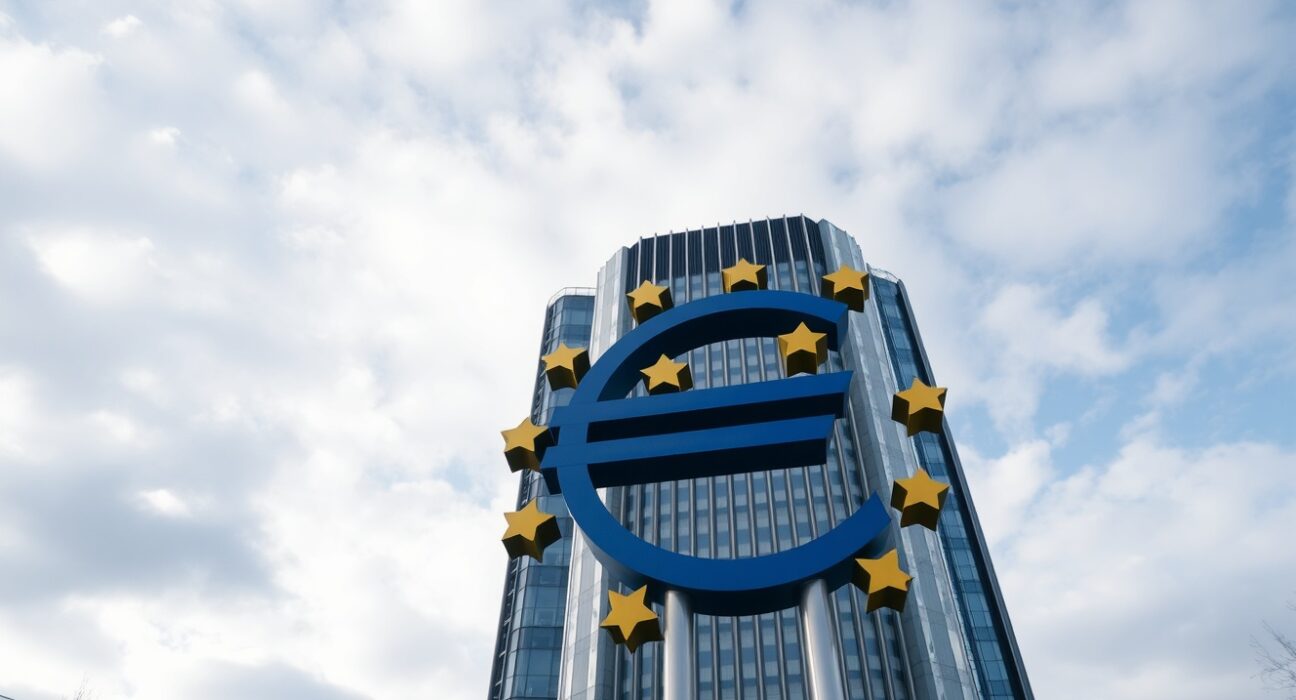
Eurozone inflation rebounded in early 2025, driven by energy costs and services prices, putting the European Central Bank (ECB) in a policy bind as it weighs the risk of a renewed price surge against the need to support a sluggish economy.
Official data released in February showed the headline inflation rate climbing to 2.5% year-on-year, up from 2.4% in January, marking the first acceleration in five months. Core inflation, which excludes volatile food and energy prices, held steady at 2.7%, indicating persistent underlying price pressures.
What’s Behind the Rebound?
The rebound is largely attributed to base effects in energy prices, as the sharp declines seen in early 2024 dropped out of the annual comparison. Additionally, services inflation remained sticky at 3.9%, reflecting robust wage growth in sectors like hospitality and public services.
“The inflation story is no longer one of steady disinflation,” said a senior economist at a major European bank, speaking on condition of anonymity. “The last mile is proving the hardest, and the ECB’s job is getting more complicated.”
The ECB had previously signaled that rate cuts were possible later in 2025 if inflation continued to ease toward its 2% target. However, the latest data has led some policymakers to reconsider, with a minority now advocating for a potential rate hike if inflation persists above 2.5%.
The Iran Factor
An unexpected variable in the ECB’s calculus is the geopolitical situation in the Middle East. A potential peace deal involving Iran could lead to a normalization of oil supplies, easing energy prices globally and, by extension, reducing imported inflation in the eurozone.
Analysts suggest that if a credible peace agreement emerges, it could lower oil prices by as much as 10-15%, providing a disinflationary impulse that might allow the ECB to hold rates steady or even cut them later in the year.
“The ECB is closely watching the Iran negotiations,” said a currency strategist in London. “If there’s a deal, it changes the entire inflation outlook. Without it, the bank may be forced to act more aggressively.”
What This Means for Borrowers and Savers
For households and businesses, the path of ECB policy has direct implications. A rate hike would increase borrowing costs for mortgages and corporate loans, potentially dampening investment and consumption. Conversely, a hold or cut would provide relief but risk entrenching inflation above target.
Financial markets are currently pricing in a 40% probability of a rate hike by June, according to futures data. The euro has firmed slightly against the dollar on the back of the inflation data, reflecting expectations of tighter policy.
ECB’s Communication Challenge
The ECB’s communication strategy is under scrutiny. President Christine Lagarde has emphasized a data-dependent approach, but the mixed signals from inflation and growth are testing the bank’s credibility.
“The ECB must walk a tightrope,” noted a former central bank official. “They need to convince markets they are serious about inflation without triggering a financial market selloff.”
Upcoming wage data and the March PMI surveys will be critical in shaping the ECB’s decision at its April meeting.
Conclusion
Eurozone inflation has rebounded, complicating the ECB’s policy path. While a potential Iran peace deal could ease energy pressures, the bank faces a difficult choice between fighting inflation and supporting growth. The next few months will be pivotal in determining whether the ECB holds, hikes, or cuts rates.
FAQs
Q1: Why did Eurozone inflation rebound?
The rebound is mainly due to energy base effects and sticky services prices. Energy prices fell sharply in early 2024, so the annual comparison now looks higher. Services inflation remains above 3%, driven by wage growth.
Q2: Could the ECB actually hike rates?
Yes, some policymakers are open to a hike if inflation persists above 2.5%. However, the ECB is data-dependent, and a clear easing in core inflation or a drop in energy prices could prevent such a move.
Q3: How would an Iran peace deal affect inflation?
A credible peace deal could lower oil prices, reducing energy costs and imported inflation in the eurozone. This would likely give the ECB room to keep rates steady or even cut them later in the year.
Disclaimer: The information provided is not trading advice, Bitcoinworld.co.in holds no liability for any investments made based on the information provided on this page. We strongly recommend independent research and/or consultation with a qualified professional before making any investment decisions.
