

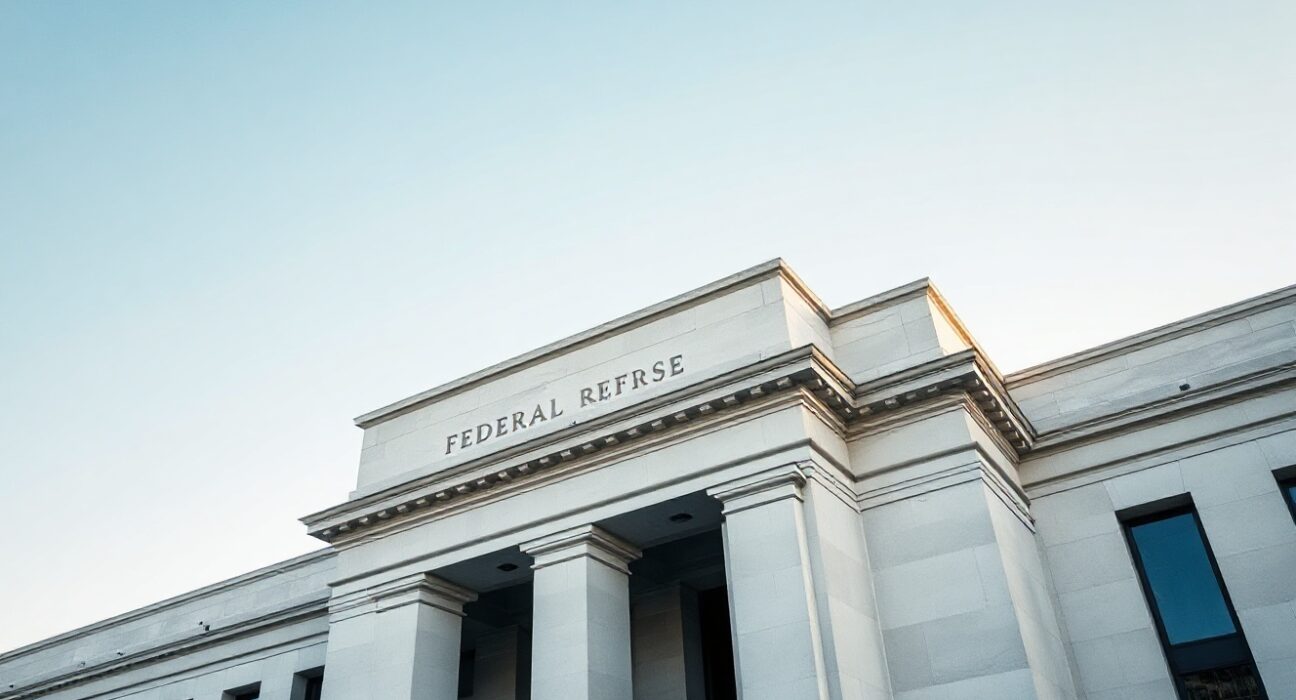
Cleveland Federal Reserve President Beth Hammack said the central bank’s current interest rate policy is not yet restrictive enough to bring inflation back to its 2% target, while noting the labor market remains stable. Her remarks, delivered at a conference in New York, signal that the Fed may need to keep rates higher for longer than markets currently anticipate.
Hammack’s Stance on Inflation and Rates
Hammack emphasized that the Fed should maintain its focus on curbing inflation, which has shown signs of stickiness in recent months. She noted that despite progress, price pressures remain elevated in key sectors, and policy needs to be sufficiently tight to ensure a sustained return to target. “We need to be patient and let the data guide us,” she said, adding that the current policy stance is “not yet restrictive enough” to guarantee inflation will continue to fall.
The comments come as investors debate the timing of potential rate cuts. While some officials have signaled openness to easing later this year, Hammack’s remarks suggest a more cautious approach, prioritizing inflation control over supporting economic growth.
Labor Market Stability and Economic Outlook
Hammack also addressed the labor market, describing it as “stable” and “balanced.” She pointed to steady job gains and moderate wage growth, which have not added excessive pressure on prices. This assessment aligns with recent data showing unemployment remaining low and job openings normalizing.
However, she warned that the Fed must remain vigilant. If inflation stalls or reverses its downward trend, further rate hikes could be necessary. “We are not declaring victory,” she stated, emphasizing the need for data-dependent decision-making.
Implications for Markets and Borrowers
For investors, Hammack’s comments suggest that rate cuts may be delayed, potentially keeping bond yields elevated and pressuring equity valuations. For consumers, this means mortgage rates, credit card rates, and auto loan rates could stay higher for an extended period, affecting affordability and spending.
Small businesses and corporations may also face continued borrowing costs, which could slow investment and hiring. However, a stable labor market provides some cushion, as households continue to have income support.
Conclusion
Hammack’s remarks underscore the Fed’s commitment to taming inflation, even as the labor market remains resilient. The path forward will depend on incoming data, but her stance suggests that the central bank is in no rush to ease policy. For now, the message is clear: restrictive policy is here to stay until price stability is firmly secured.
FAQs
Q1: What did Fed’s Hammack say about interest rates?
She said the current rate policy is not yet restrictive enough to bring inflation down to the 2% target, implying rates may need to stay higher for longer.
Q2: How does this affect mortgage rates and borrowers?
If the Fed keeps rates high, mortgage and other borrowing costs are likely to remain elevated, making loans more expensive for consumers and businesses.
Q3: What is the Fed’s current target for inflation?
The Fed aims for a 2% inflation rate, as measured by the personal consumption expenditures (PCE) price index, and is willing to maintain restrictive policy to achieve that goal.
Disclaimer: The information provided is not trading advice, Bitcoinworld.co.in holds no liability for any investments made based on the information provided on this page. We strongly recommend independent research and/or consultation with a qualified professional before making any investment decisions.
