

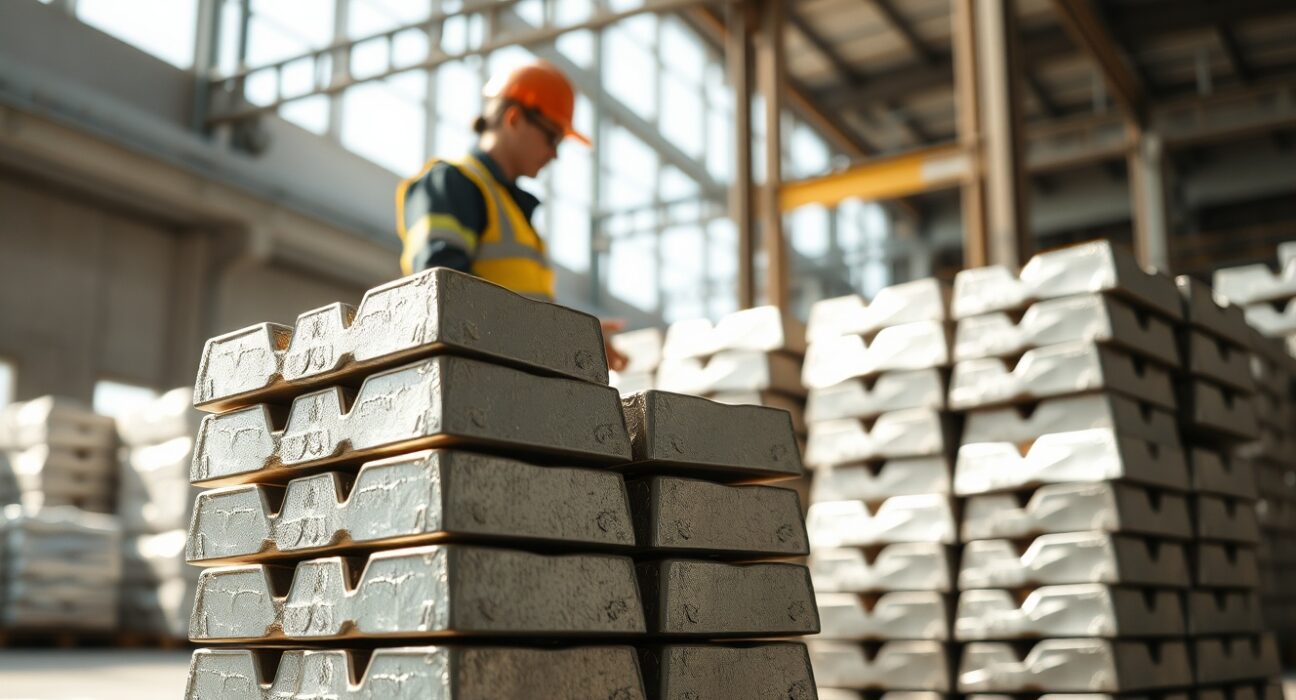
Commerzbank projects that aluminium prices are likely to climb further due to persistent market tightness, according to the bank’s latest commodity note. The assessment, released this week, points to supply constraints and low inventories as key drivers behind the bullish outlook.
What is Driving the Market Tightness?
Commerzbank attributes the tightness in the aluminium market to a combination of factors, including production curtailments in Europe and China, as well as robust demand from sectors like automotive and construction. These supply-side constraints have led to a drawdown in London Metal Exchange (LME) warehouse stocks, which have fallen to multi-year lows. The bank notes that this tightness is not a temporary phenomenon but reflects structural changes in the global supply chain.
Price Projections and Market Sentiment
While the note does not specify a precise price target, it indicates that the current upward trend is supported by fundamentals. Aluminium prices on the LME have already risen by around 15% over the past three months, trading near $2,600 per tonne as of mid-June. Commerzbank’s analysts suggest that if supply disruptions persist and demand remains steady, prices could test higher levels in the coming quarters. Market participants are also watching energy costs, which heavily influence smelting operations, as a key variable.
Implications for Industries and Consumers
Higher aluminium prices have direct implications for downstream industries, including automotive, packaging, and construction. Manufacturers may face increased input costs, which could be passed on to consumers in the form of higher prices for vehicles, beverage cans, and building materials. For investors, the aluminium market offers opportunities but also risks, as geopolitical tensions and energy market volatility could alter the trajectory.
Conclusion
In summary, Commerzbank’s analysis points to a sustained period of tightness in the aluminium market, which is likely to support higher prices. The outlook is underpinned by supply constraints and healthy demand, though uncertainties remain. As always, market conditions can change rapidly, and stakeholders should monitor developments closely.
FAQs
Q1: What is causing the tightness in the aluminium market?
The tightness is primarily due to production curtailments in key regions like Europe and China, along with strong demand from sectors such as automotive and construction. Low inventories in LME warehouses also contribute to the supply squeeze.
Q2: How high could aluminium prices go?
While Commerzbank did not provide a specific target, the bank’s bullish stance suggests prices could move higher if supply constraints persist. As of mid-June, LME aluminium was trading around $2,600 per tonne, with some analysts eyeing $2,800 or beyond.
Q3: What are the risks to the bullish outlook?
Key risks include a slowdown in global economic growth, which could dampen demand, and a resolution of energy supply issues that might allow smelters to ramp up production. Geopolitical events and trade policy changes could also impact prices.
Disclaimer: The information provided is not trading advice, Bitcoinworld.co.in holds no liability for any investments made based on the information provided on this page. We strongly recommend independent research and/or consultation with a qualified professional before making any investment decisions.
