

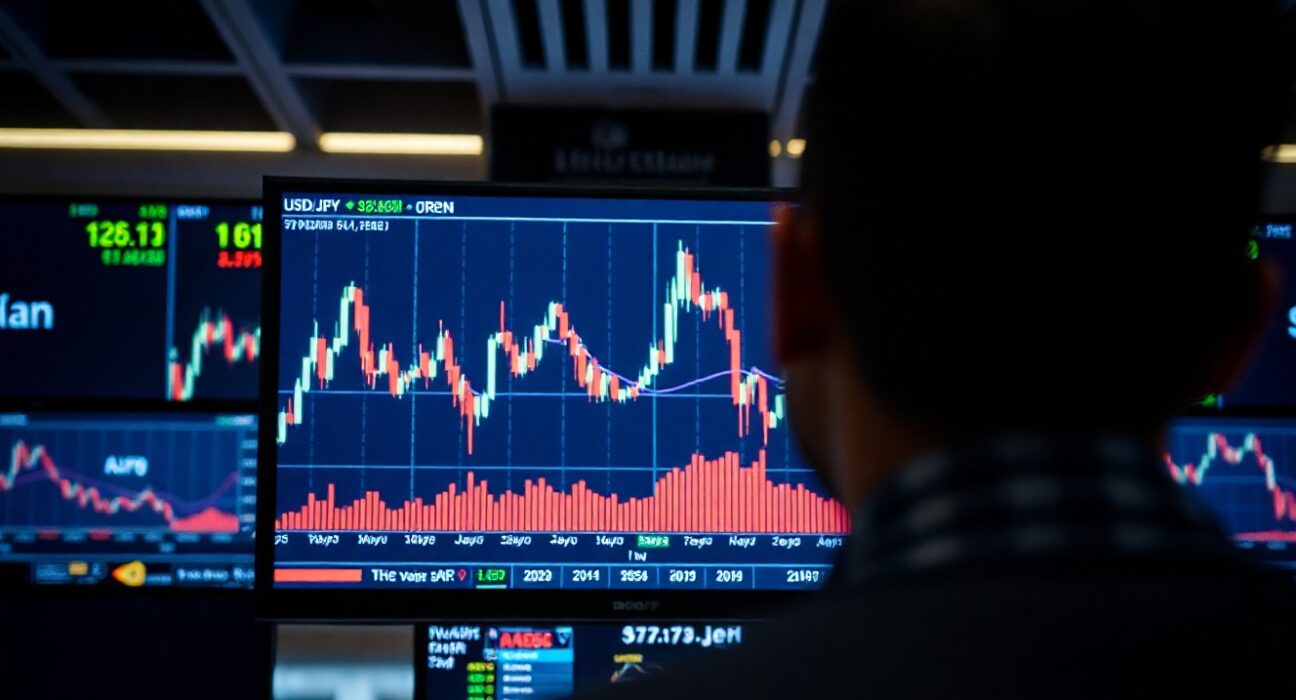
The Japanese Yen’s recent appreciation is being driven by a second, unnamed buyer whose actions are reshaping the USD/JPY market, according to new analysis from currency strategists. While the initial move was attributed to typical speculative positioning and shifting interest rate expectations, a sustained and anonymous demand for the currency is emerging as a critical, yet unspoken, factor in the exchange rate’s trajectory.
Who is the Mysterious Second Buyer?
The identity of this second buyer is the subject of intense speculation among traders and analysts. The term refers to a persistent source of demand for the Yen that is not easily categorized as a traditional hedge fund, asset manager, or retail trader. This entity is absorbing large amounts of Yen, providing a floor under the currency and accelerating its gains against the US Dollar.
Several theories are circulating to explain this phenomenon. One leading hypothesis points to Japanese corporate treasuries, which may be repatriating overseas profits at a faster pace to lock in favorable exchange rates. Another suggests it could be a sovereign wealth fund or a foreign central bank diversifying its reserves away from the US Dollar. A third, more controversial theory, involves unofficial, coordinated intervention by Japanese authorities, who are using the cover of market volatility to buy Yen without formally announcing their presence.
Why This Matters for the USD/JPY Market
The existence of a large, unnamed buyer fundamentally changes the risk-reward profile for trading USD/JPY. It introduces a layer of unpredictability, as this buyer’s motivations and triggers are not transparent. For traders, this means that technical support levels may be more robust than they appear, and that rallies in the pair could be sold into more aggressively.
This dynamic is particularly significant as the market has been heavily focused on the interest rate differential between the US and Japan. While the Federal Reserve’s policy path remains a primary driver, the presence of this second buyer suggests that other, less visible forces are also at play, creating a more complex and potentially volatile trading environment.
Implications for Investors and Businesses
For multinational corporations and investors with exposure to Japan, this trend has direct financial consequences. A stronger Yen erodes the value of overseas earnings for Japanese exporters, potentially impacting their stock prices. Conversely, it increases the purchasing power of the Yen for Japanese consumers and businesses looking to invest abroad.
The lack of transparency regarding the second buyer’s identity adds a risk premium to the currency. It makes forecasting future moves more challenging and increases the likelihood of sudden, sharp price swings. Market participants should be prepared for a period of heightened volatility as they try to gauge the intentions of this unseen market participant.
Conclusion
The Japanese Yen’s rally is not solely a product of macro-economic fundamentals; it is being actively shaped by a powerful, unnamed buyer. This force is adding a layer of complexity and unpredictability to the currency market, compelling traders and businesses to look beyond traditional models and data. Understanding this dynamic is now essential for anyone navigating the USD/JPY exchange rate.
FAQs
Q1: What is the ‘second buyer’ of the Japanese Yen?
The ‘second buyer’ is a term used by analysts to describe a persistent, anonymous source of demand for the Yen that is not part of the usual speculative or investment flows. Its identity is unknown, but it is having a significant impact on the currency’s value.
Q2: Why is the buyer’s identity kept secret?
The secrecy is a source of market intrigue. If it is a government or central bank, they may not want to publicly confirm intervention. If it is a large private entity, they may be trying to avoid front-running by other traders.
Q3: How does this affect regular currency traders?
It introduces an unpredictable variable into the market. Traders can no longer rely solely on interest rate differentials or technical analysis, as this hidden demand can alter price movements, leading to increased volatility and unexpected breakouts or reversals.
Disclaimer: The information provided is not trading advice, Bitcoinworld.co.in holds no liability for any investments made based on the information provided on this page. We strongly recommend independent research and/or consultation with a qualified professional before making any investment decisions.
