

Turkey’s Producer Price Index (PPI) rose 1.52% month-over-month in July, easing from a 1.8% increase in June, according to data released by the Turkish Statistical Institute (TUIK) on Monday. The moderation suggests that cost pressures in the manufacturing and industrial sectors are gradually cooling, even as annual inflation remains elevated.
Understanding the Monthly PPI Movement
The July reading marks the second consecutive month of slower monthly producer price gains, following a 1.8% rise in June and a 1.96% increase in May. While the monthly pace has eased, the annual PPI inflation rate stood at 25.4% in July, down from 26.4% in June, reflecting a continued, albeit gradual, disinflation trend.
Producer prices are a key leading indicator for consumer inflation, as changes in input costs often feed through to retail prices over time. The slowdown in monthly PPI could signal that consumer price inflation, which remained above 40% annually in July, may see some relief in the coming months.
Implications for Monetary Policy and the Economy
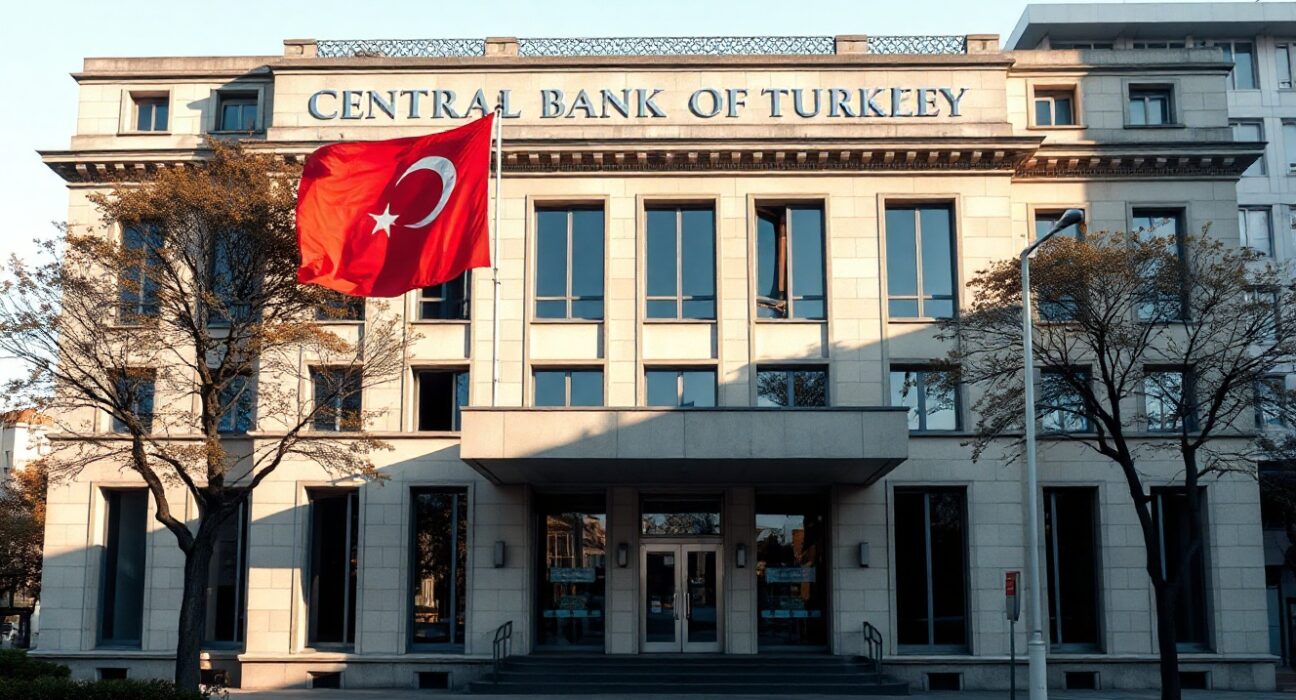
The easing in producer price inflation comes as the Central Bank of the Republic of Turkey (CBRT) maintains a tight monetary stance to combat high inflation. The central bank has held its policy rate at 50% since March, after a series of aggressive hikes in 2023 and early 2024. The slower PPI growth may give policymakers room to consider a rate cut later this year, though they remain cautious about sticky services inflation and geopolitical risks.
For businesses, the moderation in input costs could help stabilize profit margins, particularly in manufacturing and construction sectors that have been squeezed by high energy and raw material prices. However, the annual rate remains high, and global commodity price volatility continues to pose risks.
What This Means for Consumers and Markets
Consumers may see a slower pace of price increases in the months ahead if the PPI trend continues. However, the pass-through from producer to consumer prices is not immediate, and the lira’s depreciation against major currencies can offset some of the gains. Financial markets will closely watch upcoming CPI data and central bank communications for signals on future rate decisions.
Conclusion
Turkey’s July PPI data points to a gradual easing of producer price pressures, a positive sign for the disinflation process. While the monthly increase slowed to 1.52%, the annual rate remains high, and sustained policy efforts are needed to bring inflation down to single digits. The data will be a key input for the central bank’s next policy meeting in August.
FAQs
Q1: What is the Producer Price Index (PPI)?
The Producer Price Index measures the average change in selling prices received by domestic producers for their output. It is a leading indicator of consumer price inflation, as higher producer costs often translate into higher retail prices.
Q2: How does the July PPI data affect interest rates?
The slower monthly PPI increase may ease pressure on the central bank to maintain its tight policy stance. However, the CBRT will consider a range of factors, including CPI trends and currency stability, before adjusting rates.
Q3: When will the next inflation data be released?
TUIK typically releases consumer price index (CPI) data in early August for the previous month. The central bank’s monetary policy committee is scheduled to meet in August, where it will review the latest inflation data.
Disclaimer: The information provided is not trading advice, Bitcoinworld.co.in holds no liability for any investments made based on the information provided on this page. We strongly recommend independent research and/or consultation with a qualified professional before making any investment decisions.
