

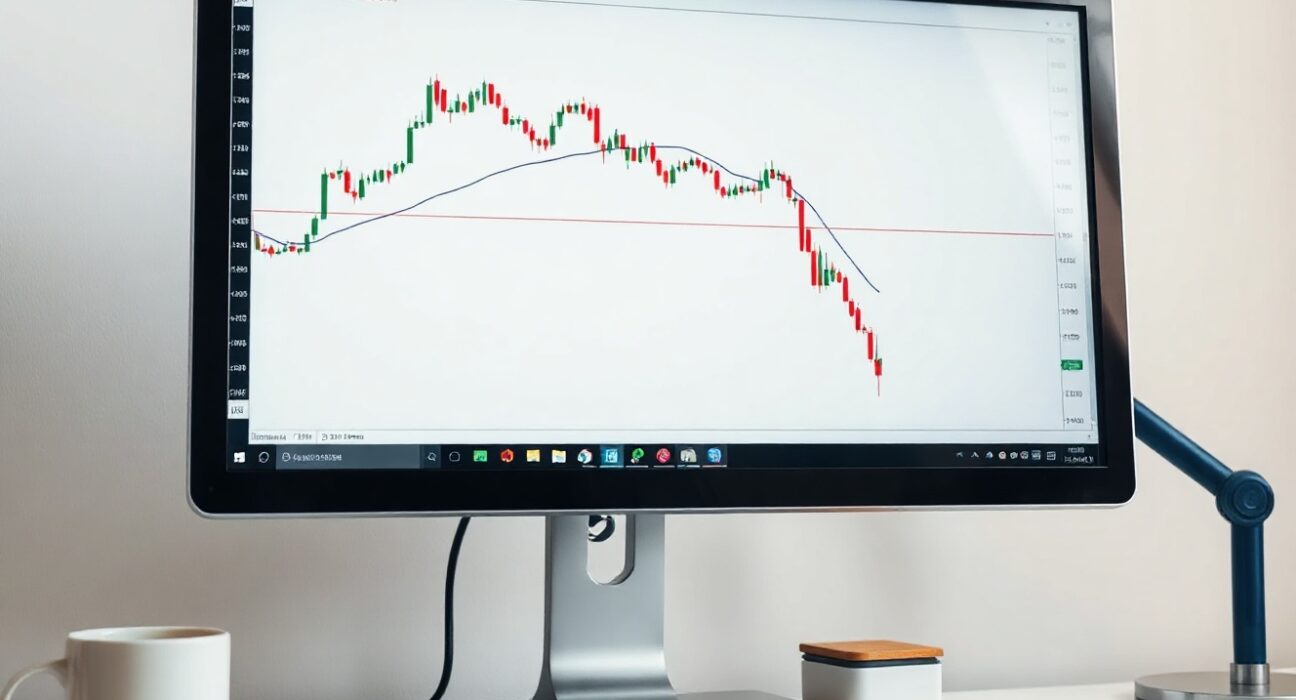
The British pound eased to the 1.3450 area against the US dollar on [Date], following a downward revision to the UK Manufacturing PMI data. The final reading came in lower than the preliminary estimate, adding to concerns about the health of the UK’s manufacturing sector.
UK Manufacturing PMI Revised Lower
The final UK Manufacturing PMI for [Month] was revised down to [Actual Figure], from the initial ‘flash’ estimate of [Flash Figure]. This revision signals a slightly sharper contraction in factory activity than initially reported. A reading below 50 indicates contraction, and the downward adjustment points to ongoing weakness in new orders, output, and employment within the sector.
The revision reflects persistent headwinds facing UK manufacturers, including subdued domestic demand, elevated borrowing costs, and softer export orders. The data underscores the challenges the sector faces as the broader economy continues to grapple with sluggish growth.
Market Reaction and Pound Movement
In response to the weaker data, the British pound slipped against the US dollar, with GBP/USD falling to the 1.3450 region. The currency’s move reflects reduced investor confidence in the UK’s economic outlook, as softer manufacturing data may influence the Bank of England’s monetary policy trajectory.
The pair’s decline comes amid a broader backdrop of US dollar strength, supported by resilient US economic data and expectations that the Federal Reserve will maintain higher interest rates for longer. The combination of these factors has weighed on sterling, pushing it toward the lower end of its recent trading range.
Implications for the UK Economy and BoE Policy
The downward revision to the Manufacturing PMI adds to the narrative of a struggling UK industrial sector. This could prompt the Bank of England to adopt a more cautious stance on future rate hikes, as policymakers balance the need to curb inflation against the risk of further dampening economic activity.
For traders and investors, the data highlights the importance of monitoring UK economic indicators closely, as they provide crucial signals about the direction of monetary policy and the pound’s valuation. A sustained weakness in manufacturing could increase the likelihood of rate cuts later this year, which would likely put additional downward pressure on sterling.
Conclusion
The British pound’s decline to 1.3450 following the downwardly revised UK Manufacturing PMI underscores the fragile state of the UK’s industrial sector. With the Bank of England facing a delicate balancing act, the currency’s near-term direction will depend on incoming economic data and the broader global risk environment. Investors should remain attentive to further releases that could influence GBP/USD dynamics.
FAQs
Q1: What is the UK Manufacturing PMI?
The UK Manufacturing PMI (Purchasing Managers’ Index) is a key economic indicator that measures the health of the manufacturing sector. A reading above 50 indicates expansion, while below 50 signals contraction. It is based on surveys of purchasing managers and provides insight into business conditions.
Q2: How does the Manufacturing PMI affect the British pound?
The Manufacturing PMI is closely watched by forex traders as it provides a timely snapshot of economic activity. A weaker-than-expected PMI can lead to a sell-off in the pound, as it suggests economic weakness and may influence the Bank of England’s monetary policy decisions, such as interest rate changes.
Q3: Why is the GBP/USD pair important?
GBP/USD is one of the most traded currency pairs in the world, representing the exchange rate between the British pound and the US dollar. It is influenced by economic data, central bank policies, and global market sentiment, making it a key indicator of the relative strength of the UK and US economies.
Disclaimer: The information provided is not trading advice, Bitcoinworld.co.in holds no liability for any investments made based on the information provided on this page. We strongly recommend independent research and/or consultation with a qualified professional before making any investment decisions.
