

South Korea’s consumer price index (CPI) rose 2.8% in July compared with the same month last year, according to data released by Statistics Korea on [Date of release]. This marks a slowdown from the previous month’s 3.0% annual gain and came in below the 3.0% that economists had forecast.
What the data shows
The July reading represents the first time since [Month/Year] that annual inflation has dipped below the 3% threshold, signaling a gradual easing of price pressures. On a month-over-month basis, the CPI rose 0.2% in July, following a 0.1% increase in June.
Core inflation, which excludes volatile food and energy prices, also moderated, rising 2.6% year-on-year, down from 2.8% in June. This suggests that underlying price pressures are cooling across a broad range of goods and services, not just in volatile categories.
Why this matters
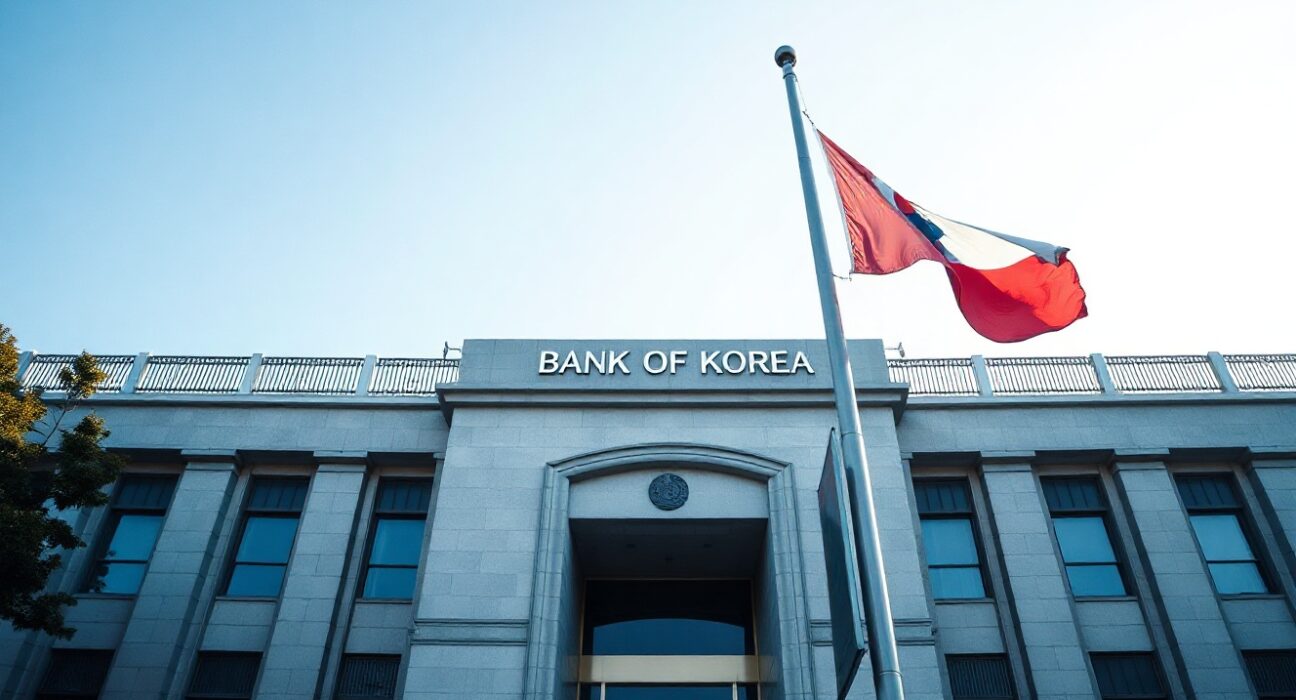
The slowdown in inflation comes as the Bank of Korea (BOK) has held its benchmark interest rate at 3.50% since January 2024, following a series of hikes that brought the rate to a 15-year high. The central bank has been balancing the need to curb inflation against concerns about slowing economic growth and household debt.
With inflation now trending below the BOK’s 3% forecast for the year, market analysts are increasingly speculating about the timing of a potential rate cut. However, the central bank has signaled that it will remain cautious, citing geopolitical risks and potential volatility in global energy prices.
Impact on households and businesses
For South Korean households, the easing of inflation provides some relief from the cost-of-living pressures that have been building over the past two years. Food and energy prices, while still elevated, have shown signs of stabilizing. Businesses, particularly in the retail and hospitality sectors, may see improved consumer sentiment as purchasing power recovers.
Regional and global context
South Korea’s inflation trajectory mirrors trends seen in other major Asian economies. Japan, for instance, has also experienced a gradual cooling of price growth, while China has been grappling with deflationary pressures. Globally, central banks are closely watching inflation data as they navigate the delicate path between curbing price growth and supporting economic activity.
Conclusion
The July CPI report provides a clear signal that South Korea’s inflationary pressures are moderating, though the pace of decline remains gradual. The data will likely reinforce expectations that the BOK will hold rates steady for the near term, while keeping the door open for policy easing if the trend continues. For now, consumers and businesses can take cautious optimism from the easing of price growth, even as global uncertainties persist.
FAQs
Q1: What is the current inflation rate in South Korea?
As of July, South Korea’s annual inflation rate stood at 2.8%, down from 3.0% in June and below the 3.0% forecast.
Q2: How does the Bank of Korea respond to inflation data?
The BOK uses the CPI as a key indicator for its monetary policy decisions. A sustained decline in inflation could prompt the central bank to consider lowering its benchmark interest rate, currently at 3.50%.
Q3: What is core inflation and why does it matter?
Core inflation excludes volatile food and energy prices, providing a clearer view of underlying price trends. In July, South Korea’s core inflation was 2.6%, indicating that price pressures are easing across most sectors.
Disclaimer: The information provided is not trading advice, Bitcoinworld.co.in holds no liability for any investments made based on the information provided on this page. We strongly recommend independent research and/or consultation with a qualified professional before making any investment decisions.
