

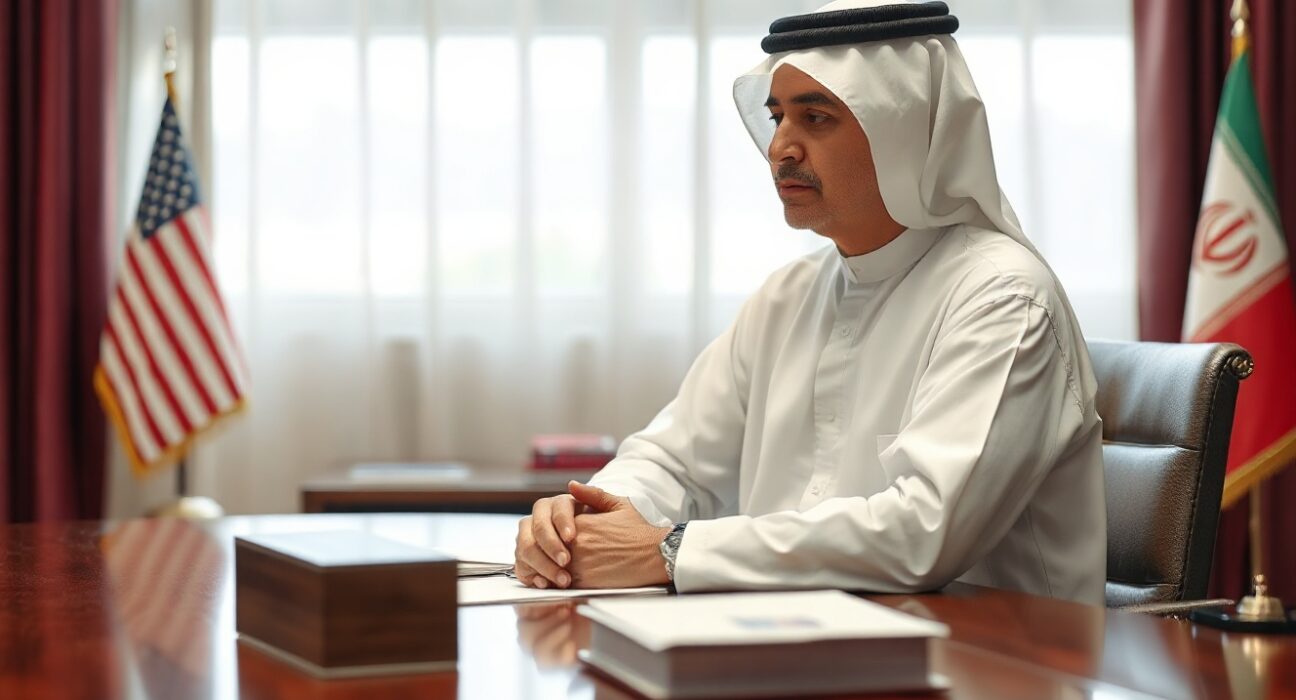
Qatar’s Minister of State for Foreign Affairs, Mohammed bin Abdulaziz Al-Khulaifi, also known as Ansari, confirmed on Wednesday that ongoing diplomatic efforts are being made to seek a peaceful resolution to the conflict between the United States and Iran. Speaking at a press briefing in Doha, he emphasized Qatar’s role as a mediator and its commitment to de-escalation in the region.
What are the latest diplomatic efforts?
Ansari stated that Qatar has been in continuous contact with both Washington and Tehran, exploring avenues to reduce tensions and prevent further escalation. He noted that while challenges remain, all parties have shown a willingness to engage in dialogue. The minister’s remarks come amid heightened concerns over the potential for military confrontation in the Gulf region.
Why does Qatar’s mediation matter?
Qatar has historically served as an intermediary in regional disputes, leveraging its relationships with both Western powers and Iranian officials. The country hosted the Afghan peace talks and has facilitated prisoner exchanges between the U.S. and Iran in the past. As a non-aligned yet influential Gulf state, Qatar’s diplomatic channels offer a unique pathway for communication between adversaries who lack direct diplomatic ties.
Implications for regional stability
Analysts suggest that any successful mediation could help stabilize energy markets and reduce the risk of a wider conflict that would have global economic consequences. The Gulf region is critical to the world’s oil supply, and a military clash would likely disrupt shipping lanes and drive up prices. Thus, Qatar’s efforts are not only diplomatically significant but also economically vital.
What are the obstacles to a diplomatic solution?
Despite the ongoing efforts, several issues remain unresolved, including Iran’s nuclear program, U.S. sanctions, and regional proxy conflicts. Ansari acknowledged these complexities, stating that progress requires patience and mutual concessions. He also called on other regional actors to support the peace process.
Conclusion
Qatar’s continued mediation reflects its strategic role as a diplomatic bridge in the Middle East. While a breakthrough is not imminent, the persistence of dialogue offers a glimmer of hope for de-escalation. As the situation evolves, the international community will be watching closely to see if these efforts yield tangible results.
FAQs
Q1: What is the current status of US-Iran tensions?
As of early 2025, tensions remain high, with both nations engaging in verbal threats and military posturing. However, diplomatic backchannels, including Qatari mediation, are active in seeking a peaceful resolution.
Q2: How is Qatar involved in the negotiations?
Qatar has been facilitating communication between U.S. and Iranian officials, offering a neutral ground for discussions. The Qatari foreign minister has confirmed ongoing efforts to bridge differences and prevent conflict.
Q3: What are the main points of contention between the US and Iran?
The core issues include Iran’s nuclear program, the impact of U.S. sanctions, and Iran’s regional military activities. Both sides have shown little flexibility on these points, making a comprehensive agreement difficult.
Disclaimer: The information provided is not trading advice, Bitcoinworld.co.in holds no liability for any investments made based on the information provided on this page. We strongly recommend independent research and/or consultation with a qualified professional before making any investment decisions.
