

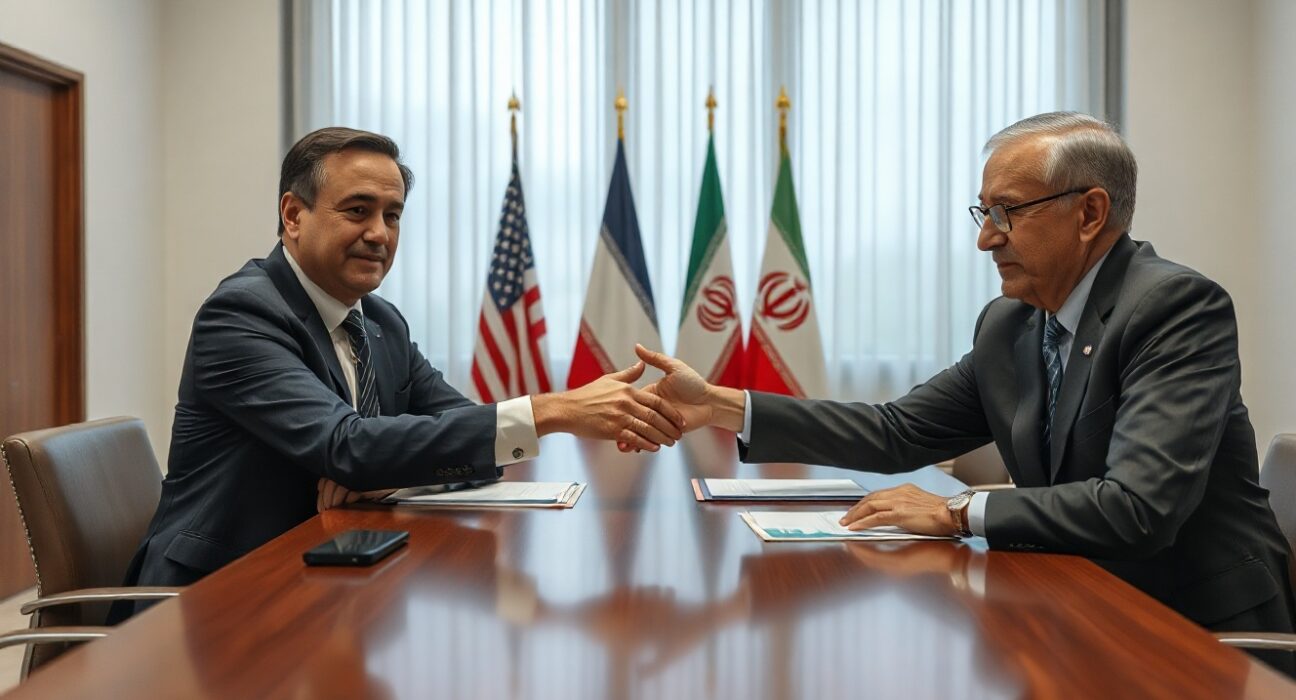
US Secretary of State Marco Rubio said on [date] that talks between the United States and Iran are making progress and a potential deal could be reached “very shortly,” signaling a possible breakthrough in long-stalled nuclear diplomacy.
What Did Secretary Rubio Say?
In a statement to reporters, Rubio expressed cautious optimism, noting that negotiations have advanced on key issues, though he did not provide specific details on the terms being discussed. “We are closer than we have been in years, but nothing is final until it is final,” he said, emphasizing that the administration remains focused on verifiable outcomes.
Context: A History of Stalled Talks
The US and Iran have been engaged in intermittent talks over Tehran’s nuclear program and regional security concerns. The 2015 Joint Comprehensive Plan of Action (JCPOA) collapsed in 2018 when the US withdrew, leading to increased tensions and Iranian nuclear expansion. Since 2021, multiple rounds of indirect negotiations have failed to produce a breakthrough, but recent diplomatic efforts, including Omani-mediated backchannels, have revived hopes.
What’s at Stake?
An agreement could lead to the lifting of economic sanctions on Iran, potentially increasing global oil supply and easing inflationary pressures. For the US, a deal would address nuclear non-proliferation goals and reduce military tensions in the Middle East. For Iran, it would offer economic relief and international legitimacy. However, critics argue that any deal must include strict verification mechanisms and address Iran’s ballistic missile program and support for regional proxies.
Regional and Global Implications
Progress in US-Iran talks has drawn reactions from allies and adversaries. Israel has voiced concerns over any agreement that leaves Iran with nuclear enrichment capabilities, while European powers have urged a comprehensive deal. In the Gulf, Arab states are watching closely, balancing economic ties with Iran against security concerns. A successful agreement could reshape Middle Eastern geopolitics, potentially reducing conflicts in Yemen, Syria, and Iraq where both nations have competing interests.
Conclusion
While Secretary Rubio’s remarks suggest momentum, significant hurdles remain, including the pace of sanctions relief and the scope of nuclear restrictions. The coming weeks will be critical in determining whether these talks yield a final accord or face another collapse. As the situation develops, the world awaits concrete details from both sides.
FAQs
Q1: What is the current status of US-Iran nuclear talks?
As of [date], talks are ongoing, with Secretary Rubio indicating progress and a possible deal within a short timeframe. However, no official agreement has been announced.
Q2: What are the main obstacles to a deal?
Key sticking points include the extent of uranium enrichment Iran is allowed, the timing and scope of sanctions relief, and verification measures. Additionally, Iran’s ballistic missile program and regional activities remain contentious.
Q3: How would a US-Iran deal affect oil prices?
If sanctions are lifted, Iran could increase oil exports, potentially adding supply to the global market and putting downward pressure on prices. However, the actual impact depends on production capacity and market conditions.
Disclaimer: The information provided is not trading advice, Bitcoinworld.co.in holds no liability for any investments made based on the information provided on this page. We strongly recommend independent research and/or consultation with a qualified professional before making any investment decisions.
