

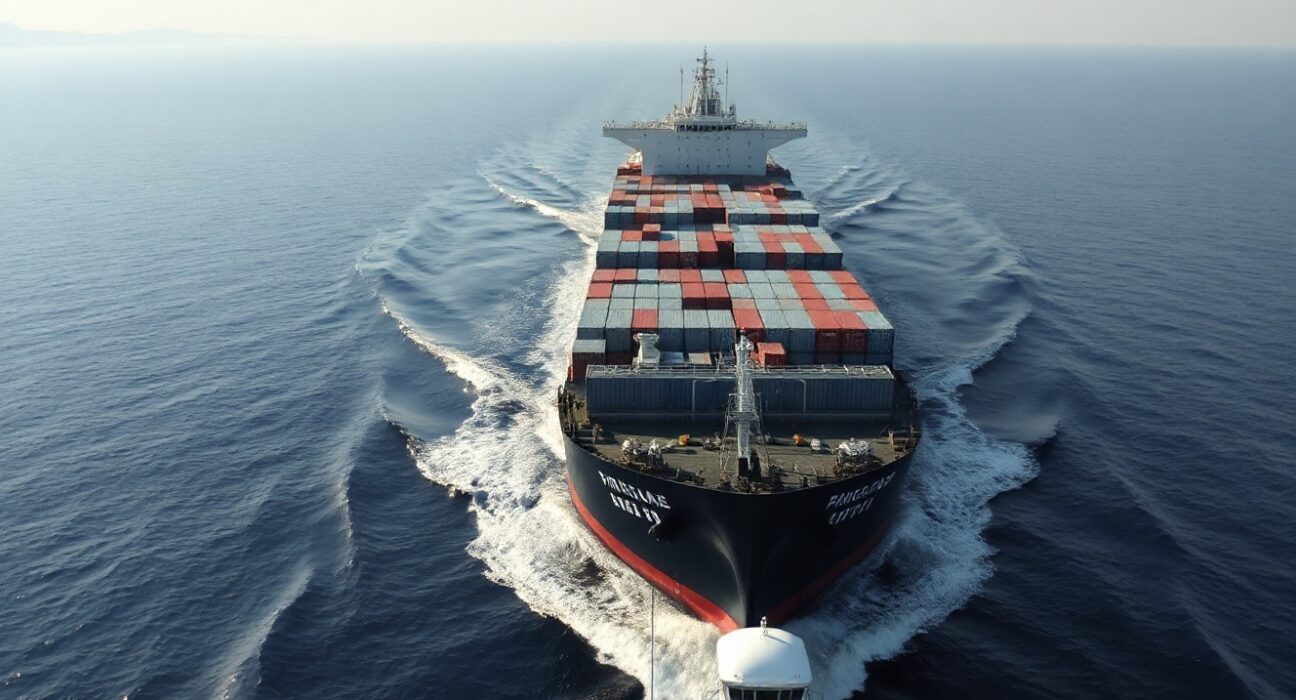
Dow Jones futures advanced in early trading on Monday, driven by reports that the United States and Iran are nearing an agreement that could reopen the Strait of Hormuz to safe passage, a development that would ease global oil supply concerns and boost investor sentiment.
What’s Driving the Rally?
According to multiple reports, diplomatic talks between Washington and Tehran have made significant progress, with a potential deal that would ensure the reopening of the strategic waterway, through which about 20% of global oil consumption passes. The news has fueled optimism among traders, as a reopening would reduce the risk of supply disruptions and lower oil prices, which have been a major drag on global equities.
As of early Monday, Dow Jones Industrial Average futures were up by roughly 150 points, or 0.4%, while S&P 500 and Nasdaq futures also traded higher. The move reflects a broad risk-on sentiment, with energy stocks likely to face pressure if oil prices drop, but transportation and consumer discretionary sectors expected to benefit from lower fuel costs.
Geopolitical and Market Implications
The Strait of Hormuz has been a flashpoint in US-Iran tensions for years. In recent weeks, Iran had threatened to close the strait in response to increased US sanctions and military presence in the region. A reopening would not only stabilize oil markets but also signal a potential thaw in relations between the two countries, with broader implications for Middle East stability and global trade.
Market analysts caution that while the reports are encouraging, no formal agreement has been confirmed. “The market is reacting to headlines, but traders should remain cautious until we see an official announcement,” said a senior market strategist. “If the deal falls through, we could see a sharp reversal.”
Impact on Oil Prices and Investors
Brent crude futures fell by more than 2% on the news, trading near $85 per barrel, while West Texas Intermediate dropped below $80. Lower oil prices are generally positive for consumers and businesses, potentially easing inflationary pressures that have prompted central banks to maintain higher interest rates. For investors, the development could support equity valuations, particularly in sectors sensitive to energy costs.
Conclusion
While the prospect of a US-Iran agreement to reopen the Strait of Hormuz is a positive signal for global markets, the situation remains fluid. Investors should monitor official statements from both governments and be prepared for volatility. The coming days will be crucial in determining whether this diplomatic breakthrough materializes into a lasting deal.
FAQs
Q1: What is the Strait of Hormuz and why is it important?
The Strait of Hormuz is a narrow waterway between the Persian Gulf and the Gulf of Oman, through which roughly 20% of the world’s oil passes. Its closure would severely disrupt global energy supplies and prices.
Q2: How would a US-Iran agreement affect oil prices?
An agreement to reopen the strait would reduce the risk of supply disruptions, likely leading to lower oil prices. This could ease inflationary pressures and benefit consumers and businesses worldwide.
Q3: What should investors watch for in the coming days?
Investors should look for official confirmation from the US and Iranian governments, as well as any changes in oil prices and market volatility. Until a formal agreement is signed, the situation remains uncertain.
Disclaimer: The information provided is not trading advice, Bitcoinworld.co.in holds no liability for any investments made based on the information provided on this page. We strongly recommend independent research and/or consultation with a qualified professional before making any investment decisions.
