

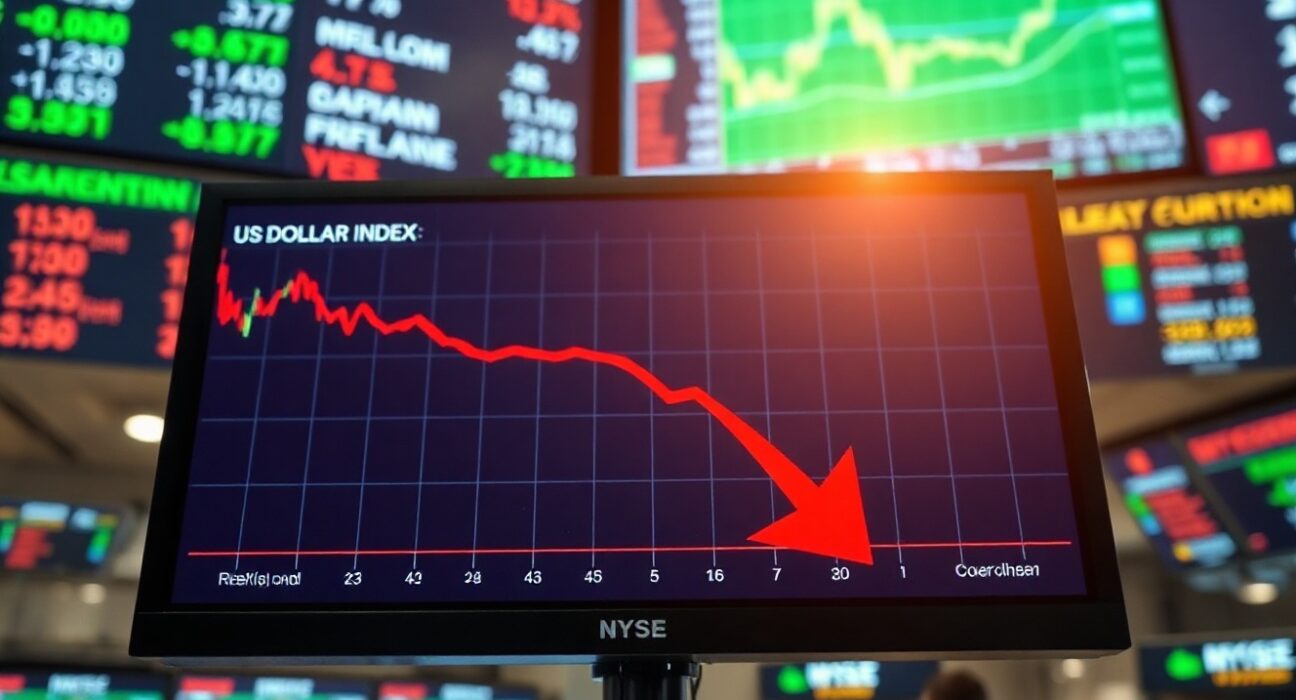
The US Dollar Index is facing a growing negative bias as policy headwinds mount, according to DBS Bank, signaling potential further weakness for the greenback in the near term.
What’s Driving the Negative Bias?
DBS analysts point to a combination of factors pressuring the dollar. These include shifting expectations around Federal Reserve policy, with markets increasingly pricing in rate cuts, and broader global economic conditions that are reducing the dollar’s safe-haven appeal. The bank’s assessment, based on recent market movements, indicates that traders are becoming more cautious on the dollar as these headwinds intensify.
Policy Divergence and Market Implications
The negative bias is also being fueled by policy divergence between the US and other major economies. While the Fed is signaling a potential easing cycle, other central banks, particularly in Europe, are maintaining a more hawkish stance. This divergence makes dollar-denominated assets less attractive, putting downward pressure on the index. For investors, this could mean a shift in currency strategies, with opportunities in other major currencies.
What This Means for Global Markets
A weaker dollar has wide-ranging implications, from boosting emerging market currencies to affecting commodity prices, which are often priced in dollars. It also impacts multinational corporations’ earnings and global trade dynamics. Understanding these trends is crucial for businesses and investors navigating the current economic landscape.
Conclusion
DBS’s observation of a building negative bias in the US Dollar Index highlights the growing policy headwinds facing the currency. As markets adjust to these expectations, the dollar’s trajectory will remain a key focus for global investors. The situation remains fluid, and further data on inflation and central bank actions will be critical in shaping the outlook.
FAQs
Q1: What is the US Dollar Index?
The US Dollar Index (DXY) measures the value of the US dollar against a basket of six major world currencies: the euro, Japanese yen, British pound, Canadian dollar, Swedish krona, and Swiss franc. It is a widely used benchmark for the dollar’s overall strength.
Q2: What are “policy headwinds” in this context?
Policy headwinds refer to economic or monetary policies that create challenges or obstacles for the dollar. In this case, potential Federal Reserve rate cuts and other policy shifts are seen as reducing the dollar’s yield advantage, making it less attractive to investors.
Q3: How does a negative bias in the dollar affect everyday consumers?
A weaker dollar can make imported goods more expensive, potentially leading to higher inflation. It can also affect travel costs and the prices of commodities like oil. However, it can benefit exporters by making their products cheaper for foreign buyers.
Disclaimer: The information provided is not trading advice, Bitcoinworld.co.in holds no liability for any investments made based on the information provided on this page. We strongly recommend independent research and/or consultation with a qualified professional before making any investment decisions.
