

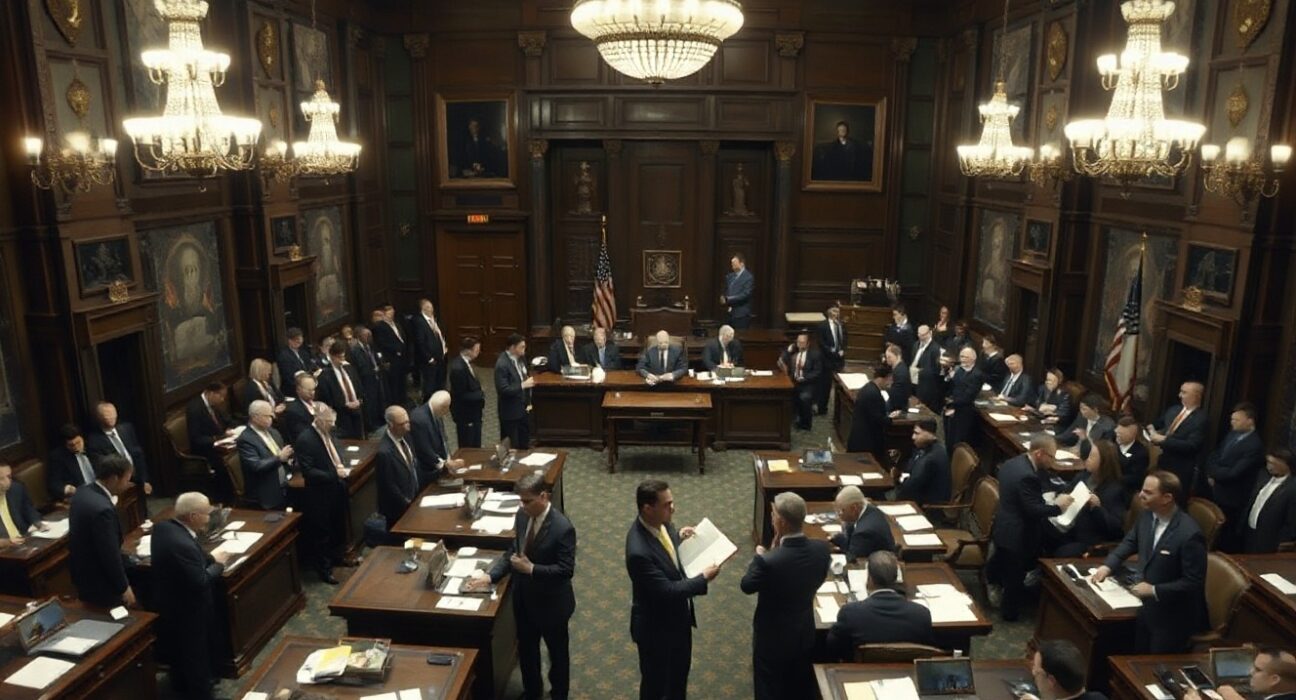
Senate Majority Leader John Thune has described the frantic effort to pass major legislation before the August recess as “complete chaos,” according to a report from NBC News correspondent Frank Thorp. The remark, made in a conversation with reporters, underscores the mounting pressure on lawmakers to clear a crowded agenda before the traditional summer break.
Why the August Recess Matters
The August recess is a long-standing tradition in Congress, allowing members to return to their home districts for constituent meetings and public events. However, it also creates a hard deadline for legislative action. Any bills not passed by then are typically delayed until September, which can disrupt funding cycles, authorization deadlines, and political timelines. This year, the Senate faces a particularly heavy load, including annual defense policy legislation, appropriations bills, and several high-profile nominations.
Thune’s Comments Reflect Growing Tension
Thune’s use of the Korean phrase “완전히 아수라장” — which translates to “complete chaos” — highlights the disorderly nature of the current legislative sprint. While the exact context of his remark was not fully detailed, it aligns with public reports of stalled negotiations and partisan disagreements on multiple fronts. The Senate has a narrow majority, making unanimous consent agreements difficult and floor time precious. With only a few weeks left before the break, leaders are scrambling to prioritize must-pass items while managing internal party pressures.
What’s at Stake for Readers
For ordinary Americans, the outcome of this legislative push affects everything from military funding and border security to domestic programs and government operations. If key bills fail to pass before the recess, it could lead to continuing resolutions or even a government shutdown later in the fall. Understanding the procedural hurdles helps voters appreciate why major legislation often moves slowly, even when there is broad public support.
Broader Implications for Congress
This is not the first time a Senate leader has voiced frustration over the end-of-session rush. Similar complaints have been made by both parties over the years, reflecting a systemic issue: the legislative calendar is often packed with difficult issues that require more time than available. Thune’s comments also signal potential trouble for the remainder of the year, as unresolved matters could spill over into election season, making bipartisan cooperation even harder.
Conclusion
Thune’s characterization of the pre-recess push as “complete chaos” offers a candid glimpse into the Senate’s current state. As the August deadline approaches, the ability of leaders to manage this chaos will determine which bills become law and which are left for another day. For now, the legislative calendar remains uncertain, and the pressure is only expected to intensify.
FAQs
Q1: When does the August recess typically begin?
The August recess usually starts at the end of July or the first week of August. The exact date is set by each chamber’s leadership, but it typically lasts through Labor Day.
Q2: What happens to bills not passed before the recess?
Bills that are not passed by the recess are generally taken up again in September. However, some may be delayed further or combined with other legislation, depending on the political calendar and priorities.
Q3: Why is passing legislation before the recess important?
Passing bills before the recess avoids disruption to government funding and programs. It also allows lawmakers to claim accomplishments before returning to their districts, which is politically beneficial in an election year.
Disclaimer: The information provided is not trading advice, Bitcoinworld.co.in holds no liability for any investments made based on the information provided on this page. We strongly recommend independent research and/or consultation with a qualified professional before making any investment decisions.
