

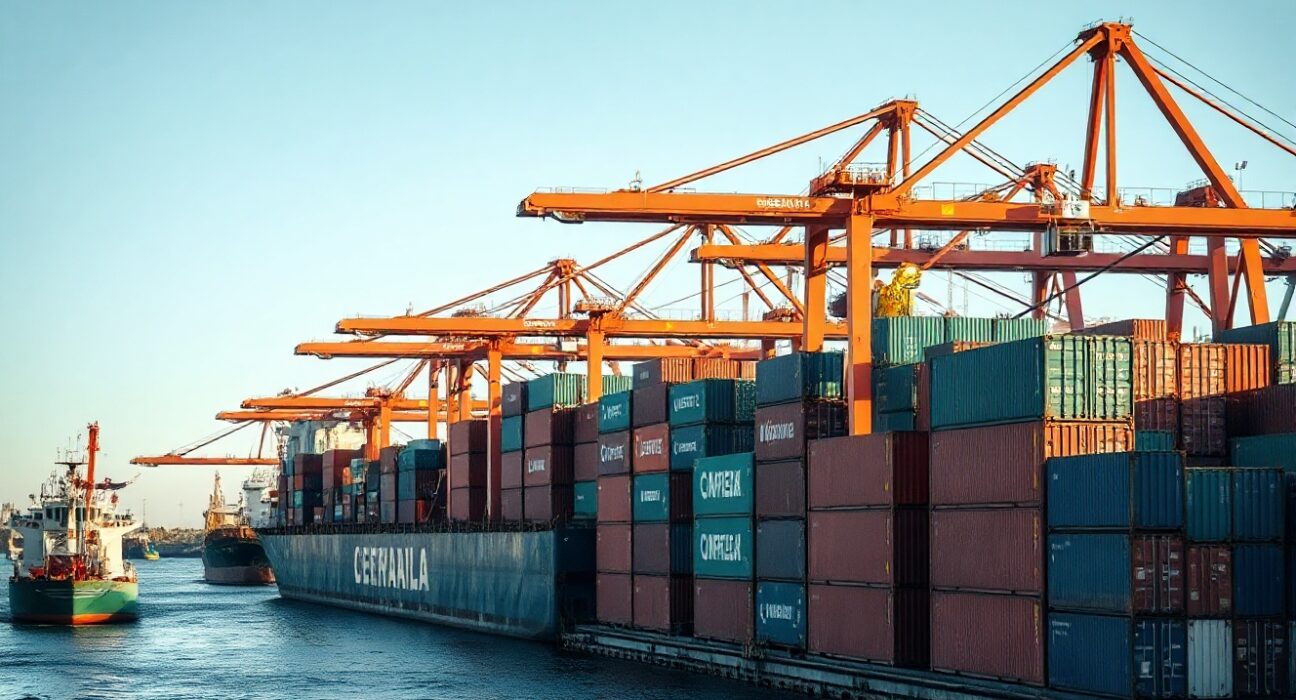
Australia’s imports fell by 0.2% in June compared with the previous month, according to seasonally adjusted data released by the Australian Bureau of Statistics (ABS) on [date of release]. This decline reverses the 2.6% rise recorded in May and signals a cooling in demand for foreign goods.
What drove the monthly decline?
The decrease in imports was broad-based, with notable falls in consumption goods and capital goods. While the ABS does not provide a detailed breakdown in this preliminary release, the trend suggests that households and businesses are moderating their spending on imported items. This could reflect softer consumer confidence, inventory adjustments, or a slowdown in business investment.
Implications for Australia’s trade balance
A drop in imports typically narrows the trade deficit or widens the surplus, all else being equal. However, the full impact on the trade balance will depend on export performance in the same month. Australia’s trade surplus has been supported by strong resource exports, but any weakness in imports could also signal weaker domestic demand, which may weigh on economic growth in the second quarter.
What this means for the economy
The import figure is a key component of GDP, and a decline in imports can either boost GDP (if exports remain strong) or indicate a slowdown in consumption and investment. Economists will be watching the upcoming GDP release for the June quarter to see whether this import drop reflects a genuine softening in demand or a one-off fluctuation.
Conclusion
Australia’s June import data shows a clear reversal from May’s growth, suggesting a potential shift in domestic demand. While the monthly figure can be volatile, the trend will be important for policymakers and market watchers assessing the health of the economy.
FAQs
Q1: What does the monthly import figure indicate?
The monthly import figure shows the change in the total value of goods and services imported into Australia compared with the previous month. A decline suggests reduced demand for foreign products.
Q2: How does this affect the Australian dollar?
A lower import bill could improve the trade balance, which may support the Australian dollar. However, if the decline signals weaker economic activity, it could have the opposite effect. Currency markets react to a range of factors, so the impact is not straightforward.
Q3: When will more detailed trade data be released?
The ABS typically releases more comprehensive international trade data, including exports and breakdowns by category, in the following weeks. The full picture for June will be available then.
Disclaimer: The information provided is not trading advice, Bitcoinworld.co.in holds no liability for any investments made based on the information provided on this page. We strongly recommend independent research and/or consultation with a qualified professional before making any investment decisions.
