

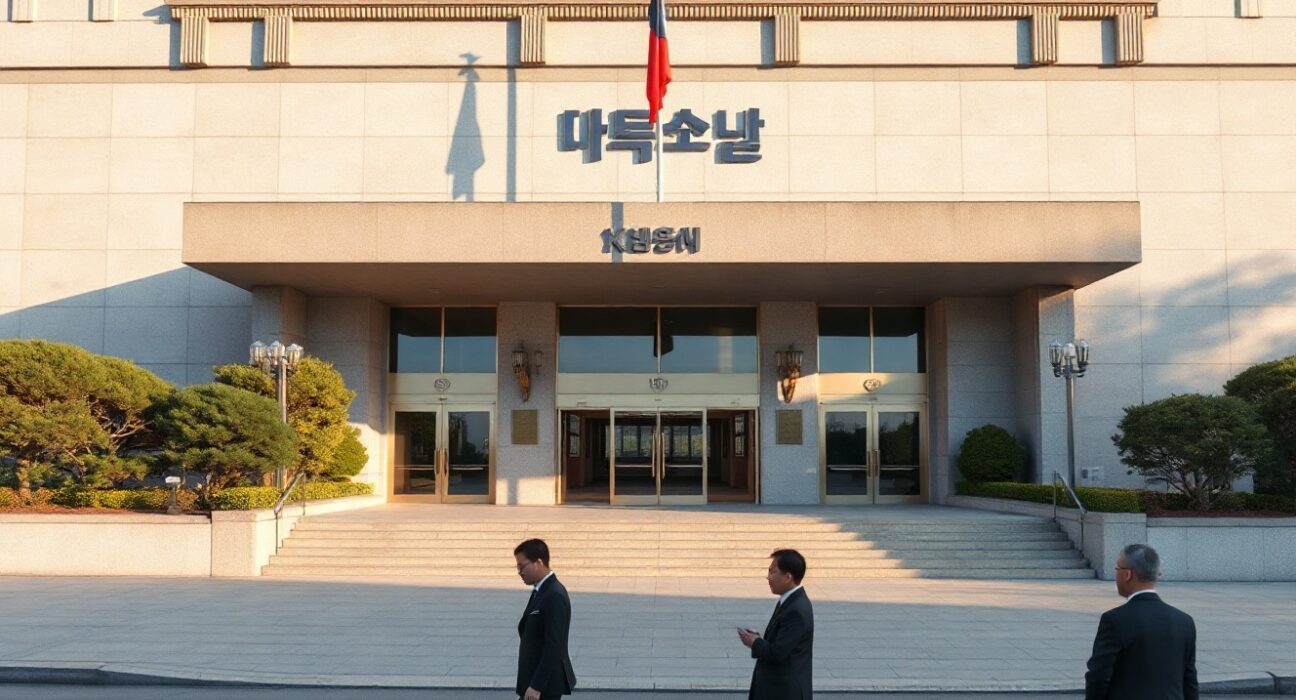
South Korea’s government is moving to strengthen asset reviews for high-ranking public officials, with a specific focus on cryptocurrency holdings and unlisted stocks. The plan, reported by News1, was outlined in the Ministry of Personnel Management’s major policy agenda for the second half of 2026 and presented to President Lee Jae-myung on Aug. 5.
What the New Measures Include
The proposed changes aim to close gaps in the current asset declaration system. For virtual assets, authorities plan to secure transaction records at an earlier stage, allowing for more thorough verification. Reviews will be intensified for cases suspected of involving overseas trading or transactions conducted under borrowed names. Additionally, the government intends to disclose the names and holding amounts of single-stock ETFs in public officials’ asset declarations, a move designed to improve transparency.
Why This Matters for Transparency
South Korea has been gradually tightening rules around public officials’ financial disclosures, particularly as cryptocurrency ownership has become more common. The new measures are part of a broader effort to address potential conflicts of interest and ensure that public servants are held to a high standard of accountability. By expanding the scope of asset reviews and making certain holdings public, the government aims to deter improper behavior and build public trust.
Implications for Officials and the Public
For high-ranking officials, the new rules could mean more rigorous scrutiny of their financial activities. The focus on early transaction records and suspected cases of overseas or borrowed-name trading suggests that authorities are looking to detect hidden or unreported assets. For the public, this translates into greater confidence that officials’ financial dealings are subject to independent checks. The inclusion of single-stock ETFs in disclosures also reflects a recognition that complex financial instruments can be used to obscure true ownership.
Conclusion
South Korea’s planned tightening of asset reviews for senior officials’ crypto holdings and unlisted stocks represents a significant step toward greater transparency in public service. By addressing potential loopholes and expanding disclosure requirements, the government is signaling its commitment to ethical governance. As the policy agenda moves forward, the details of implementation will be closely watched by both officials and the public.
FAQs
Q1: What prompted South Korea to strengthen asset reviews for officials?
The move is part of a broader effort to improve transparency and accountability among public officials, particularly as cryptocurrency ownership has grown. The government aims to close gaps in the current disclosure system and deter hidden or unreported assets.
Q2: How will the new measures affect public officials?
Officials will face more rigorous reviews of their cryptocurrency and unlisted stock holdings. Authorities will secure transaction records earlier and focus on suspected cases of overseas trading or transactions under borrowed names.
Q3: What is the significance of disclosing single-stock ETFs?
Disclosing single-stock ETFs adds another layer of transparency, as these instruments can be used to hold concentrated positions in a single company. Publicly reporting them helps ensure that officials’ financial interests are fully visible and subject to scrutiny.
Disclaimer: The information provided is not trading advice, Bitcoinworld.co.in holds no liability for any investments made based on the information provided on this page. We strongly recommend independent research and/or consultation with a qualified professional before making any investment decisions.
