

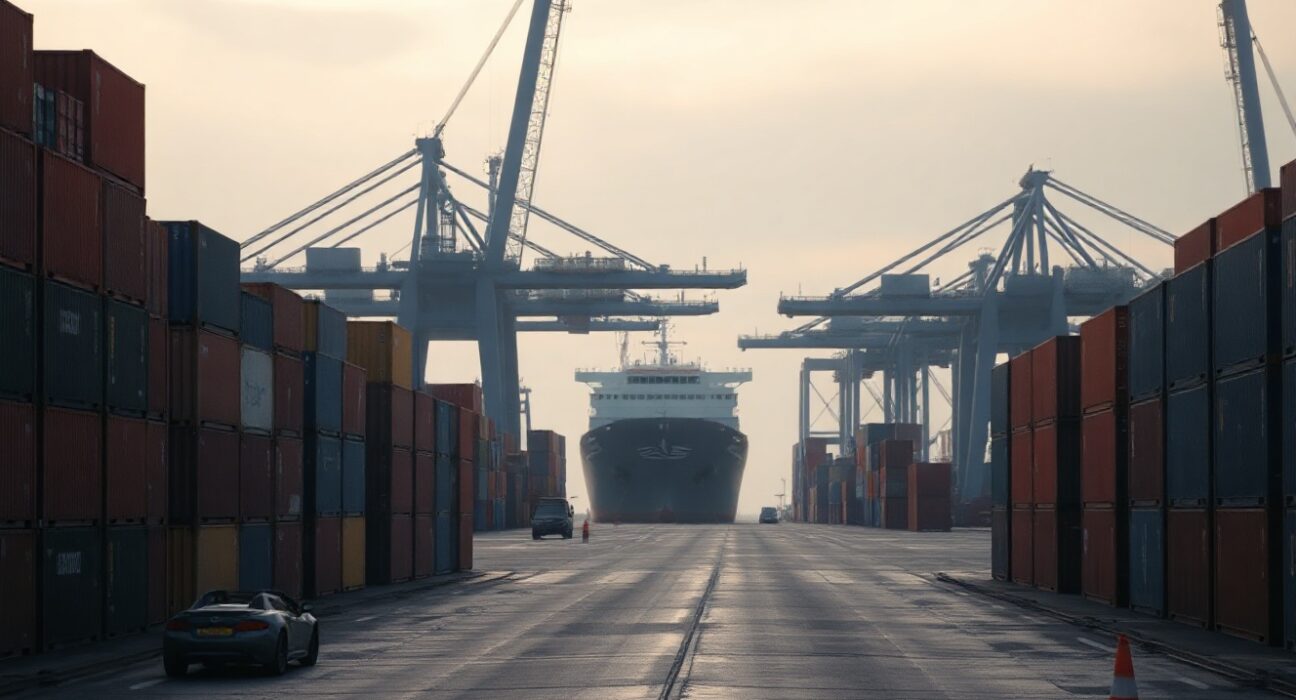
UK export costs have surged to a three-year high, according to new data from the Office for National Statistics (ONS), as the ongoing Iran conflict continues to weigh on British businesses and global supply chains. The figures, released as of the latest reporting period, highlight the growing financial strain on exporters navigating geopolitical instability.
What the ONS Data Reveals
The ONS data, published this week, shows that the cost of exporting goods from the UK has risen to levels not seen in three years. This increase is largely attributed to higher shipping insurance premiums, longer transit routes, and elevated fuel costs, all driven by the conflict in the Middle East. The data reflects a broad trend affecting multiple sectors, from manufacturing to consumer goods.
Analysts note that the Red Sea shipping corridor, a critical artery for UK trade with Asia and the Middle East, has become increasingly risky. Many shipping lines have rerouted vessels around the Cape of Good Hope, adding weeks to delivery times and significantly increasing costs. These expenses are often passed on to UK exporters, who face tighter margins and reduced competitiveness in international markets.
How British Businesses Are Affected
For British businesses, the rising export costs translate into higher operational expenses and potential delays in fulfilling orders. Small and medium-sized enterprises (SMEs) are particularly vulnerable, as they often lack the negotiating power or financial reserves to absorb such shocks. The ONS data underscores a growing concern among trade bodies, which have called for government support to mitigate the impact.
In response, some companies are exploring alternative supply chains or renegotiating contracts, but these measures take time and may not fully offset the immediate financial pressure. The situation is compounded by broader inflationary trends and a weaker global demand outlook, creating a challenging environment for UK exporters.
Why This Matters to the UK Economy
The rise in export costs comes at a critical time for the UK economy, which has been striving to boost trade as part of its post-Brexit strategy. Higher costs could dampen export volumes, affecting economic growth and the government’s trade targets. Moreover, sustained increases may prompt businesses to reconsider their international expansion plans, with long-term implications for the UK’s trade balance.
Conclusion
The ONS data highlights a tangible economic consequence of the Iran conflict, with UK export costs reaching a three-year high. As the situation evolves, businesses will need to adapt to a more expensive and uncertain trading environment. Policymakers and industry leaders must work together to provide support and mitigate the impact on the UK’s trade performance.
FAQs
Q1: What is the main reason for the increase in UK export costs?
The primary driver is the Iran conflict, which has raised shipping insurance premiums, extended transit times, and increased fuel costs, particularly for routes through the Red Sea.
Q2: How does this affect British businesses?
British businesses face higher operational costs, potential delivery delays, and reduced competitiveness in international markets. SMEs are especially vulnerable.
Q3: What can businesses do to mitigate these costs?
Businesses can explore alternative shipping routes, renegotiate contracts, or diversify supply chains, though these measures may not fully offset the immediate financial impact.
Disclaimer: The information provided is not trading advice, Bitcoinworld.co.in holds no liability for any investments made based on the information provided on this page. We strongly recommend independent research and/or consultation with a qualified professional before making any investment decisions.
