

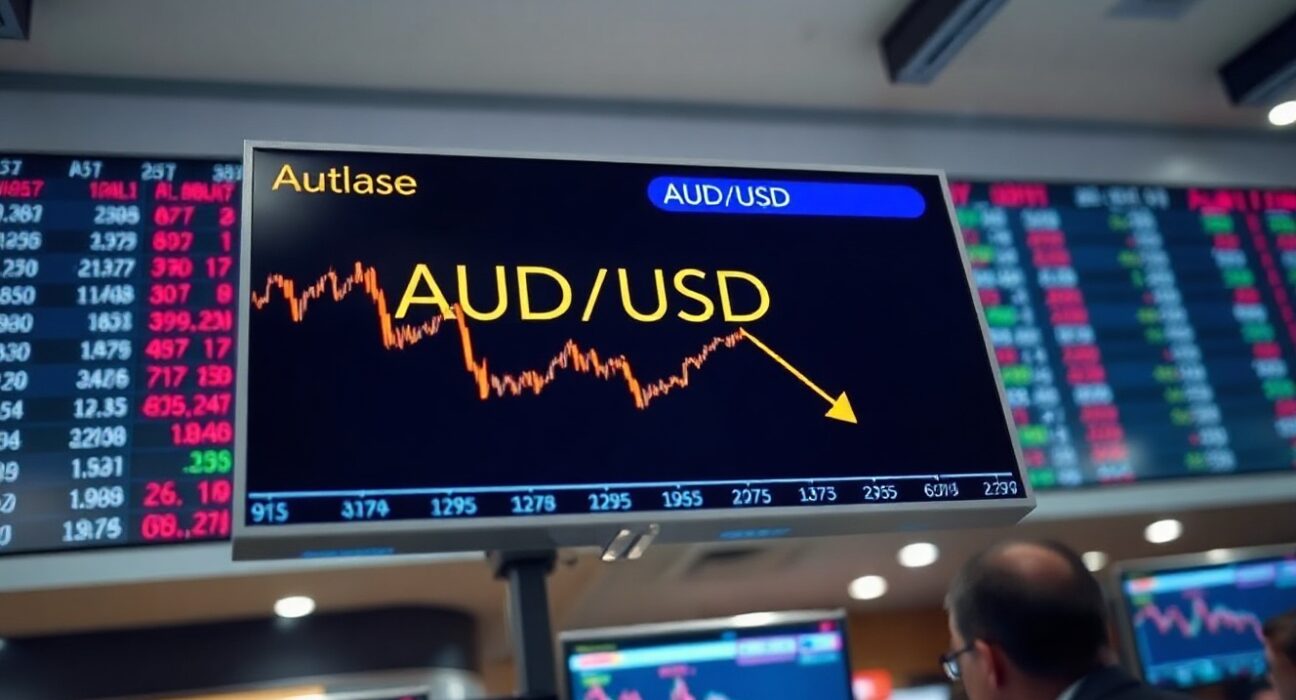
The Australian Dollar (AUD) came under renewed selling pressure on Tuesday as the US Dollar (USD) snapped a two-day losing streak, reversing some of its recent losses against a basket of major currencies.
US Dollar Strength Weighs on AUD/USD
The US Dollar index, which measures the greenback against six major peers, rebounded from its recent dip, putting downward pressure on the AUD/USD pair. This move reflects a shift in market sentiment as traders adjust their positions ahead of key economic data releases and central bank commentary.
The rebound in the US Dollar comes despite ongoing market expectations regarding the Federal Reserve’s monetary policy path. While the Fed has signaled a cautious approach to rate cuts, recent economic indicators have provided mixed signals, leading to a more nuanced outlook for the currency. As of this week, the market is pricing in a slightly higher probability of a rate hold in the near term, which is lending some support to the greenback.
Australian Dollar Drivers and Domestic Factors
On the domestic front, the Australian Dollar’s movement is being influenced by a combination of factors, including commodity prices, the Reserve Bank of Australia’s (RBA) policy stance, and the health of the Chinese economy, Australia’s largest trading partner.
Iron ore prices, a key export for Australia, have shown some volatility recently, which can directly impact the AUD. Furthermore, the RBA has maintained a relatively hawkish tone compared to other central banks, but softer domestic economic data, particularly in the labor market and consumer spending, has tempered expectations for further rate hikes. This dynamic is creating a delicate balance for the Australian currency, making it sensitive to global risk sentiment and shifts in the US economic outlook.
Market Implications and Key Levels
For traders, the immediate focus is on whether the AUD/USD pair can hold above key support levels. A sustained break below these levels could signal further downside, while a recovery would depend on a resurgence in risk appetite or a weakening of the US Dollar. The pair’s recent movements underscore the importance of monitoring both US economic data and Australian fundamentals.
The current market environment is characterized by high sensitivity to economic headlines. Any surprise in upcoming inflation figures or employment reports from either country could trigger significant moves in the currency pair. Investors are advised to stay informed and manage risk accordingly, as the forex market remains highly reactive to new information.
Conclusion
The Australian Dollar’s decline highlights the ongoing tug-of-war between US Dollar strength and domestic economic factors. As the market digests new data and central bank signals, the AUD/USD pair is likely to remain volatile. For now, the immediate trend favors the US Dollar, but the situation remains fluid and subject to change based on incoming information.
FAQs
Q1: Why is the Australian Dollar falling?
The Australian Dollar is falling primarily due to a rebound in the US Dollar, which snapped a two-day decline. This shift is driven by changing market expectations about the Federal Reserve’s interest rate path and overall global risk sentiment.
Q2: What factors influence the AUD/USD exchange rate?
The AUD/USD exchange rate is influenced by the interest rate differential between the Reserve Bank of Australia (RBA) and the US Federal Reserve, commodity prices (especially iron ore), the economic health of China, and global market risk appetite.
Q3: What should traders watch for next?
Traders should watch for upcoming economic data releases from both the US and Australia, including inflation reports and employment figures. Any commentary from the RBA or the Federal Reserve regarding their monetary policy outlook will also be crucial in determining the next major move for the AUD/USD pair.
Disclaimer: The information provided is not trading advice, Bitcoinworld.co.in holds no liability for any investments made based on the information provided on this page. We strongly recommend independent research and/or consultation with a qualified professional before making any investment decisions.
