

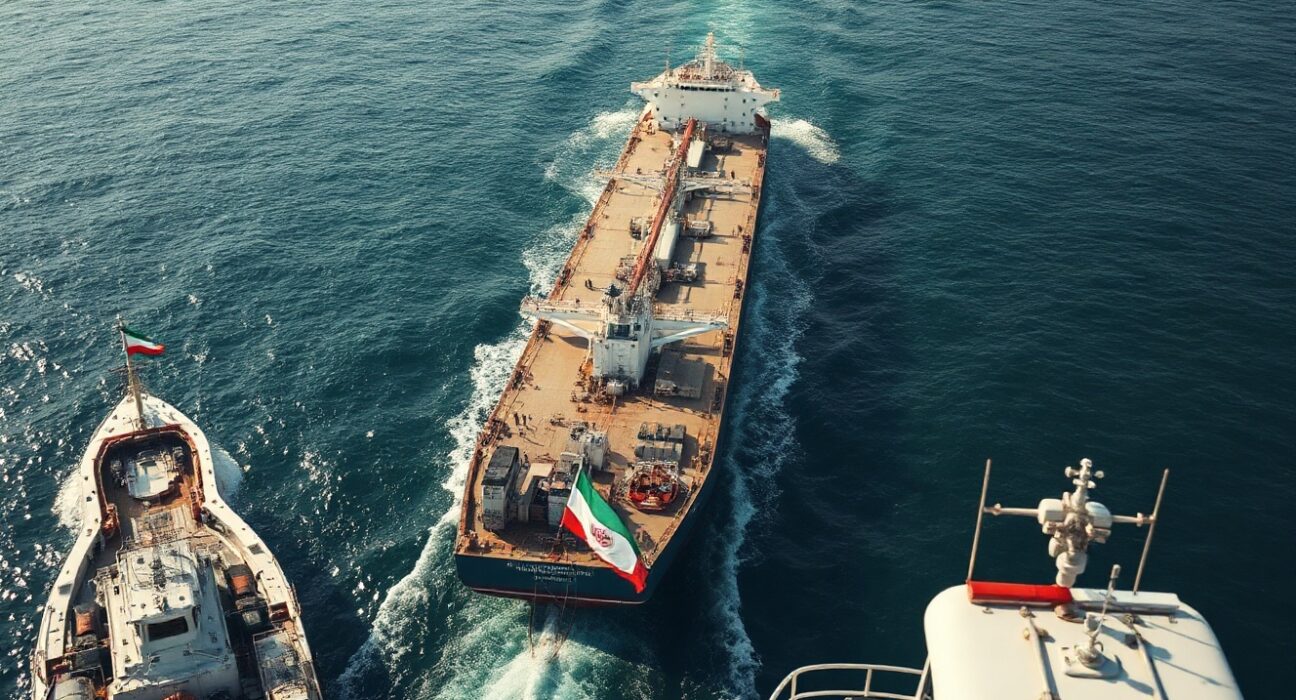
Oman and Iran have announced a joint naval plan that could lead to the blocking of US and Israeli ships in the Strait of Hormuz, a move that significantly escalates maritime risks in one of the world’s most critical oil shipping lanes. The announcement, reported on February 24, 2025, comes amid heightened tensions between Iran and Western powers over Tehran’s nuclear program and its regional military activities.
What Does the Oman-Iran Naval Plan Involve?
The plan reportedly includes coordinated patrols and potential inspection or diversion of vessels linked to the US and Israel passing through the Strait of Hormuz. While specific operational details remain unclear, the move signals a new level of cooperation between Muscat and Tehran that could disrupt the transit of oil tankers and commercial shipping. The Strait of Hormuz, a narrow waterway between the Persian Gulf and the Gulf of Oman, handles about 20% of global oil consumption, making any threat to its security a matter of international concern.
Why This Matters for Global Oil Markets and Shipping
Any disruption in the Strait of Hormuz would have immediate consequences for global energy prices and supply chains. Oil tankers carrying crude from Saudi Arabia, Iraq, the UAE, and other Gulf producers pass through this chokepoint daily. In 2023, an estimated 21 million barrels of oil per day transited the strait, according to the US Energy Information Administration. Even the threat of interference can spike insurance rates for tankers and push oil prices higher, affecting consumers worldwide. Shipping companies may be forced to reroute vessels, adding days to transit times and increasing costs.
Potential Impact on Regional and International Security
The plan could also heighten military tensions in the region. The US Navy’s Fifth Fleet is based in Bahrain, and Washington has repeatedly vowed to keep the strait open. Israeli officials have also expressed concern over Iranian naval ambitions. Previous incidents, such as the 2019 tanker seizures and the 2021 drone attacks on commercial vessels, have shown how quickly localized maritime disputes can escalate into broader confrontations. The international community, including the United Nations and maritime organizations, will likely urge restraint and diplomatic solutions.
What Should Readers Understand?
This development is not just a regional issue; it affects global energy security and economic stability. For businesses and consumers, the potential for supply disruptions and price volatility is real. For policymakers, it underscores the fragile balance in the Gulf and the need for de-escalation. The situation remains fluid, and further details about the implementation of the plan are expected in the coming days.
Conclusion
The Oman-Iran plan to block US and Israeli ships in the Strait of Hormuz represents a significant escalation in maritime risks with far-reaching implications. While the full scope of the plan is not yet public, the potential for disruption to oil flows and regional security is undeniable. Observers will be watching closely for reactions from Washington, Tel Aviv, and other Gulf states, as well as any concrete steps taken by Oman and Iran to operationalize their joint naval posture.
FAQs
Q1: What is the Strait of Hormuz and why is it important?
The Strait of Hormuz is a narrow waterway between the Persian Gulf and the Gulf of Oman, through which about 20% of global oil consumption passes. It is a critical chokepoint for oil tankers from major producers like Saudi Arabia, Iraq, and the UAE.
Q2: How could Oman and Iran block US and Israeli ships?
The plan reportedly involves coordinated naval patrols and potential inspections or diversions of vessels linked to the US and Israel. The exact mechanism is unclear, but it could include physical barriers, boarding operations, or other interdiction measures.
Q3: What are the potential consequences for oil prices?
Any disruption in the strait could lead to supply shortages and higher oil prices. Even the threat of interference can increase insurance premiums for tankers and cause market volatility, as seen in previous incidents.
Disclaimer: The information provided is not trading advice, Bitcoinworld.co.in holds no liability for any investments made based on the information provided on this page. We strongly recommend independent research and/or consultation with a qualified professional before making any investment decisions.
