

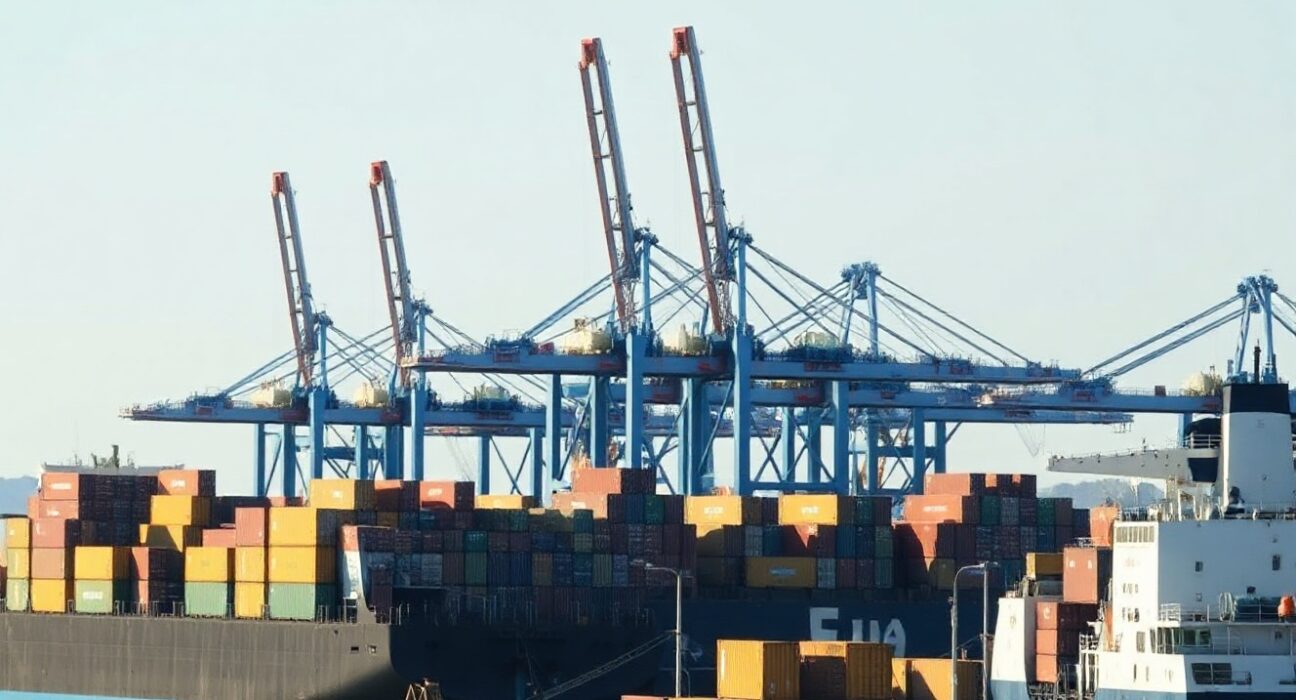
France’s imports totaled €60.384 billion in June, a slight decline from the previous month’s €60.509 billion, according to the latest data. The marginal dip suggests steady trade demand, even as global economic headwinds persist.
What the latest import figures reveal
The June import value, released as part of France’s monthly trade statistics, shows a modest contraction of approximately €125 million from May. While the change is minimal, it reflects a stable import environment, with no significant shifts in energy prices or consumer demand. The data, reported in euros, is a key indicator of domestic consumption and industrial activity.
France’s trade balance remains a focal point for policymakers, as the country continues to grapple with a structural deficit. The import figures, when combined with export data, provide a clearer picture of the nation’s external sector. Economists often view such monthly fluctuations as noise unless accompanied by broader trends, and the latest numbers suggest a plateau rather than a turning point.
Context within the Eurozone economy
The stability in French imports aligns with broader Eurozone patterns, where trade volumes have been relatively flat amid sluggish growth. Energy imports, which have historically driven volatility, appear to have stabilized in recent months, contributing to the consistency in the headline figure. Additionally, the euro’s exchange rate against major currencies has remained within a narrow band, reducing price-driven import swings.
Analysts note that while the June figure is slightly lower, it does not signal a weakening in domestic demand. Instead, it may reflect inventory adjustments or timing of shipments. For businesses, the data offers a reassuring sign of predictability in supply chains, which have faced disruptions in recent years.
Why this matters for the French economy
Import data is a barometer of economic health, as it reflects both consumer spending and industrial inputs. The steady level of imports suggests that French companies are maintaining production levels and households continue to purchase foreign goods. However, the persistent trade deficit remains a concern, as it indicates that France imports more than it exports, putting pressure on the current account.
For investors and market watchers, the June figure provides a data point for assessing the resilience of the French economy amid global uncertainties. While the change is minor, it contributes to the overall narrative of a stable, albeit unspectacular, economic environment.
Conclusion
France’s June imports of €60.384 billion, slightly down from May’s €60.509 billion, indicate a steady trade environment. The marginal decline is unlikely to alter economic forecasts, but it reinforces the view of a stable, if subdued, import landscape. As global conditions evolve, the coming months will reveal whether this stability persists.
FAQs
Q1: What does the June import figure mean for the French economy?
The June import figure of €60.384 billion is a slight decrease from May, indicating stable trade demand. It suggests that domestic consumption and industrial activity remain steady, without significant shifts in external trade patterns.
Q2: How does France’s import data affect the euro?
While monthly import data can influence short-term market sentiment, the impact on the euro is usually limited. The currency is more affected by broader economic indicators, interest rate decisions, and geopolitical events.
Q3: Why is the trade balance important for France?
France’s trade balance is a measure of its economic competitiveness. A persistent deficit means the country imports more than it exports, which can weigh on GDP growth and affect the value of the euro in the long term.
Disclaimer: The information provided is not trading advice, Bitcoinworld.co.in holds no liability for any investments made based on the information provided on this page. We strongly recommend independent research and/or consultation with a qualified professional before making any investment decisions.
