

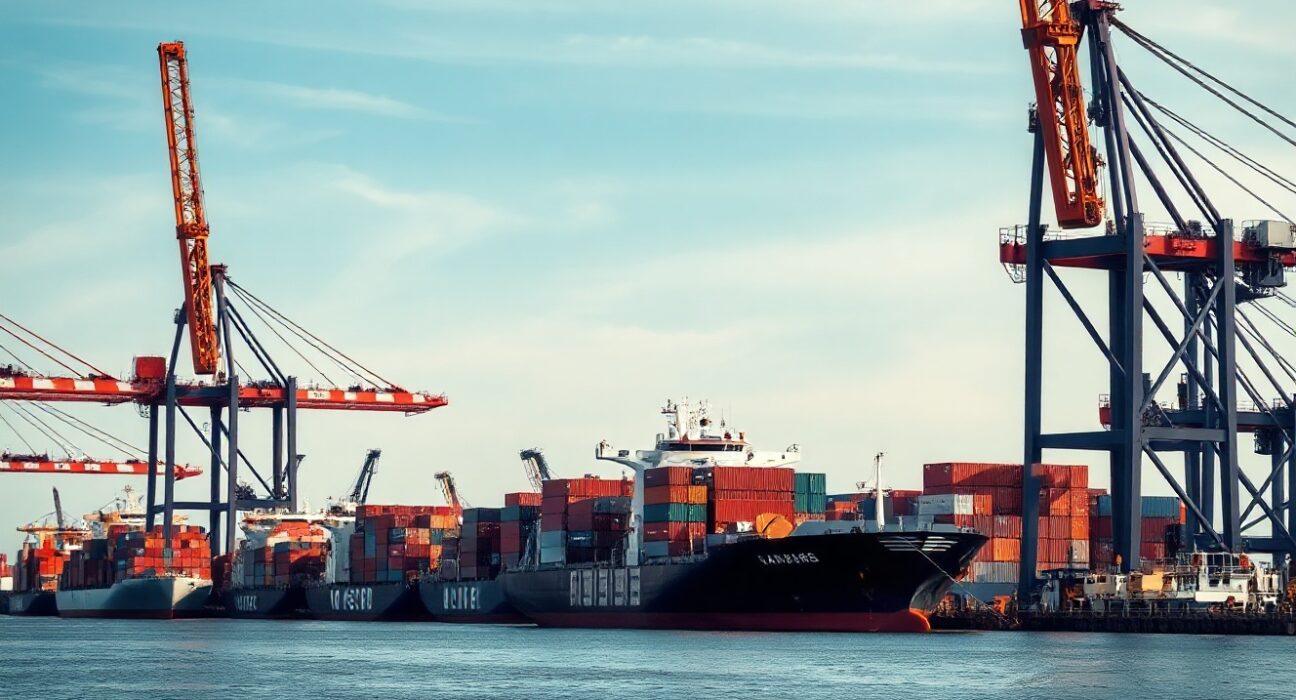
Austria’s trade balance slipped to a deficit of €-635 million in May 2025, down from a revised €-434.1 million in April, according to the latest data. The widening gap signals that imports are growing faster than exports, a trend that could weigh on the country’s economic momentum.
What the Latest Trade Data Shows
The May figures reflect a continued deterioration in Austria’s external trade position. While the April deficit was already notable, the May numbers indicate a sharper imbalance. Analysts point to several factors, including rising energy costs and fluctuating demand from key trading partners.
Exports, which had shown resilience earlier in the year, appear to have lost some steam. Meanwhile, imports have remained robust, driven by consumer demand and industrial inputs. The result is a wider trade gap that economists will be watching closely in the coming months.
Why the Trade Deficit Matters
A persistent trade deficit can affect a country’s currency value, inflation, and overall economic health. For Austria, a net importer of energy, higher global prices can quickly translate into a larger import bill. At the same time, weaker demand from major export markets like Germany and the broader Eurozone can suppress export revenues.
The May data also comes at a time when the European Central Bank is navigating interest rate policy. A widening deficit might influence economic sentiment, though it is only one of many indicators policymakers consider.
What to Watch in the Coming Months
Economists will be looking at whether this trend continues into the summer months. Key factors include the trajectory of energy prices, the strength of the euro, and the pace of economic recovery in Austria’s main trading partners. A sustained deficit could prompt adjustments in fiscal or trade policy, though no immediate measures have been announced.
Conclusion
Austria’s trade deficit widened to €-635 million in May 2025, reflecting growing import costs and softer export performance. While a single month does not define a trend, the data underscores the challenges facing the Austrian economy amid global trade uncertainties.
FAQs
Q1: What is Austria’s trade balance?
The trade balance measures the difference between a country’s exports and imports. A negative value indicates a trade deficit, meaning imports exceed exports.
Q2: Why did Austria’s trade deficit widen in May 2025?
The deficit widened to €-635 million from €-434.1 million in April, likely due to rising import costs, particularly energy, and softer export demand from key partners.
Q3: How does a trade deficit affect Austria’s economy?
A trade deficit can pressure the currency, influence inflation, and signal reduced competitiveness. However, it is one of many indicators and does not automatically imply economic decline.
Disclaimer: The information provided is not trading advice, Bitcoinworld.co.in holds no liability for any investments made based on the information provided on this page. We strongly recommend independent research and/or consultation with a qualified professional before making any investment decisions.
