

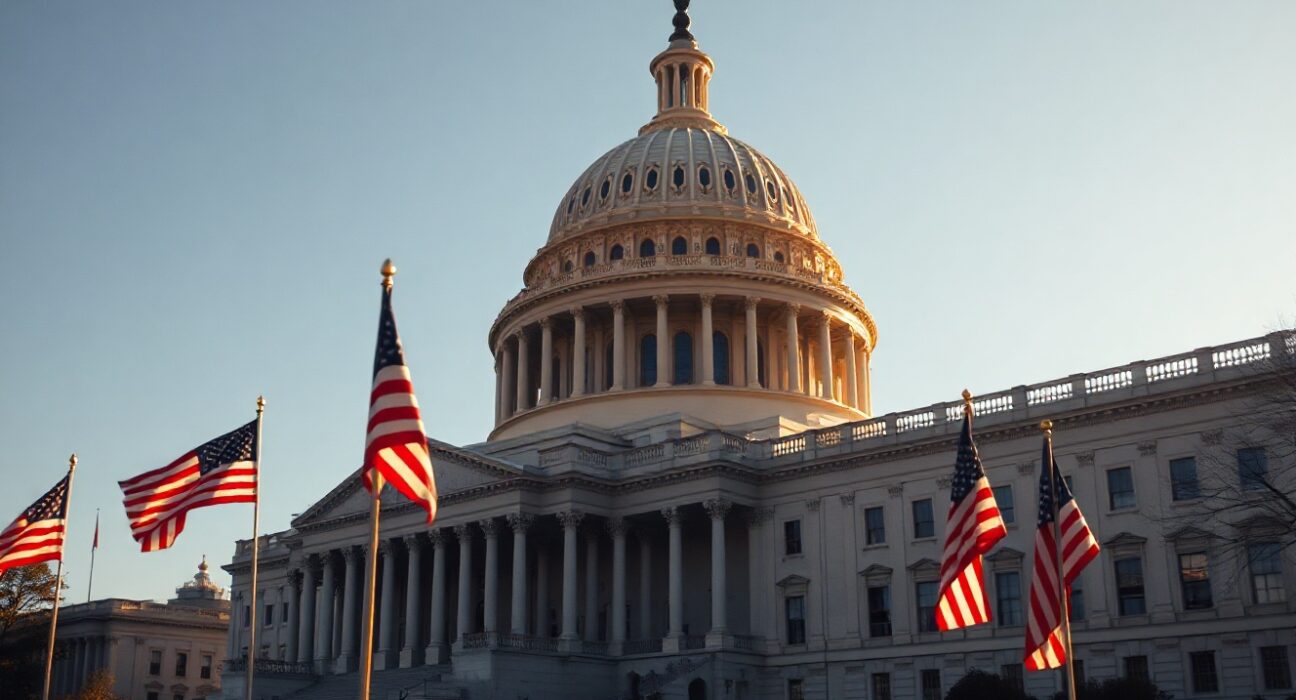
Senate Republican leader John Thune’s office has indicated to industry stakeholders that it may still file a cloture motion to begin debate on the CLARITY Act before the August congressional recess, according to Eleanor Terrett, host of Crypto in America. The move would set the stage for a potential vote on the bill when the Senate returns in September, signaling that Republican leadership intends to prioritize the legislation.
Cloture as a Procedural Step
Filing cloture is a procedural mechanism that limits further debate and forces a vote on whether to proceed to a bill. If Thune files cloture on the CLARITY Act, it would be a clear signal that leadership wants to advance the bill despite unresolved issues. However, the path to a successful cloture vote is not guaranteed, as it requires 60 votes in the Senate, and Republicans hold a slim majority.
According to Terrett, the move would help lay the groundwork for a September vote on the CLARITY Act. The bill, which aims to provide regulatory clarity for digital assets, has been a priority for the crypto industry, but it faces significant hurdles in the Senate.
Key Hurdles Remain
Securing the necessary votes is the most immediate challenge. Republican leadership must ensure that all 53 Republican senators are on board, and they will need at least seven Democratic votes to overcome a filibuster. This is far from certain, as some Democrats have expressed concerns about the bill’s impact on investor protections.
Another sticking point is the issue of yield-related provisions. The CLARITY Act, as currently drafted, includes language that some senators believe could inadvertently allow for the creation of yield-bearing stablecoins, which has raised regulatory and consumer protection concerns. Lawmakers are working to resolve these differences, but a consensus has not yet been reached.
Additionally, there is an ongoing debate over bipartisan ethics provisions. Some senators have insisted that any comprehensive crypto legislation must include strong ethics rules to prevent conflicts of interest among regulators and industry participants. These provisions are still being negotiated, and their inclusion could affect the bill’s final shape.
Why This Matters
The CLARITY Act is one of the most significant pieces of crypto legislation in the current Congress. If passed, it would establish a clear regulatory framework for digital assets, potentially boosting innovation and investment in the United States. The bill’s progress in the Senate is being closely watched by industry participants, investors, and regulators alike.
For the crypto industry, the outcome of this legislative effort could have far-reaching implications. A successful vote would provide much-needed certainty, while a failure could set back the industry’s efforts to gain regulatory clarity for years.
Looking Ahead
With the August recess looming, the timeline is tight. If cloture is filed, it would likely be done in the coming days, allowing the Senate to vote on the motion before recess. Should that vote succeed, the bill would be positioned for a full vote in September. However, given the unresolved issues, nothing is certain.
Terrett’s report suggests that Republican leadership is determined to move the bill forward, but the path remains complicated. The coming weeks will be critical in determining whether the CLARITY Act can overcome the procedural and substantive hurdles it faces.
Conclusion
The CLARITY Act represents a pivotal moment for crypto regulation in the United States. While the filing of cloture would be a positive step, the bill still faces significant obstacles, including securing enough votes, resolving yield-related concerns, and agreeing on ethics provisions. As the Senate prepares for a busy fall session, the fate of the CLARITY Act remains uncertain, but its importance to the industry cannot be overstated.
FAQs
Q1: What is the CLARITY Act?
The CLARITY Act is a proposed bill in the U.S. Senate aimed at providing a clear regulatory framework for digital assets, defining which agencies have jurisdiction and how cryptocurrencies should be classified.
Q2: What is cloture in the Senate?
Cloture is a parliamentary procedure used to end debate on a bill and move to a vote. In the Senate, invoking cloture requires 60 votes, which is often used to overcome a filibuster.
Q3: Why is the CLARITY Act controversial?
The bill has faced criticism over its treatment of yield-bearing stablecoins and concerns about consumer protections. Lawmakers are also debating the inclusion of ethics provisions to ensure regulatory integrity.
Disclaimer: The information provided is not trading advice, Bitcoinworld.co.in holds no liability for any investments made based on the information provided on this page. We strongly recommend independent research and/or consultation with a qualified professional before making any investment decisions.
