

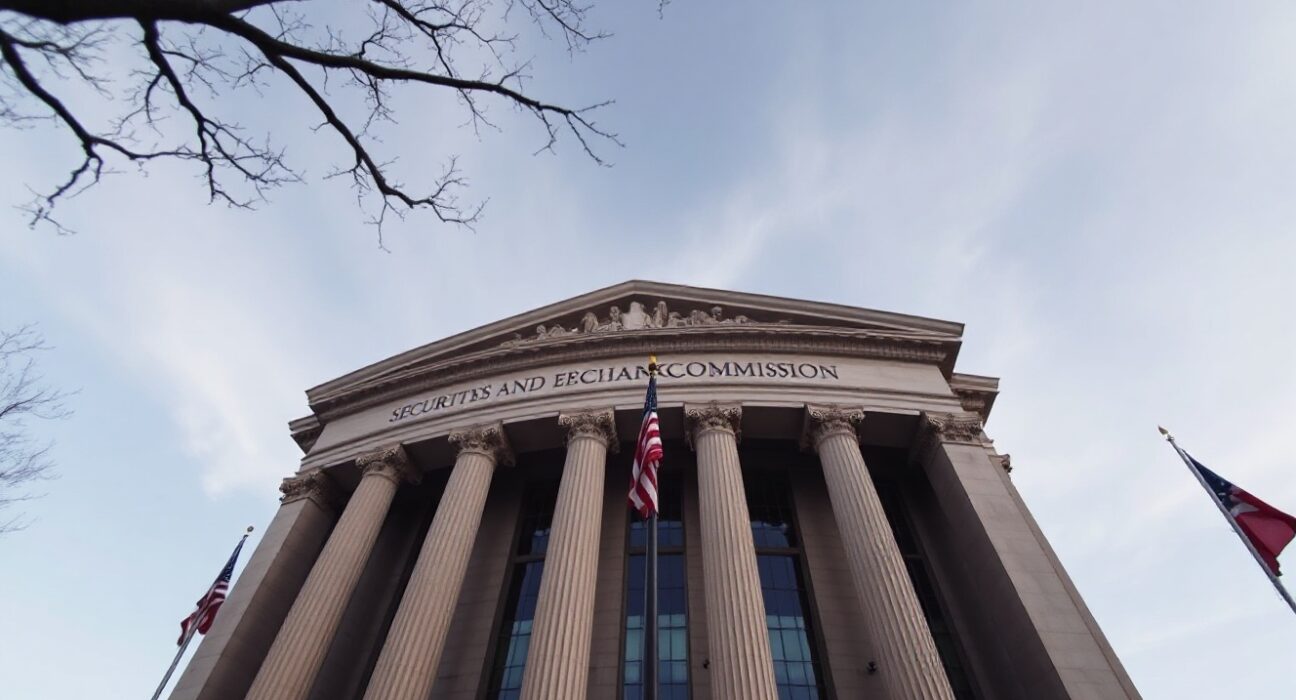
Grayscale Investments has withdrawn its registration statements for three proposed exchange-traded funds (ETFs) tied to Cardano (ADA), Hedera (HBAR), and Polkadot (DOT). The move, disclosed in separate Form RW filings with the U.S. Securities and Exchange Commission (SEC) on August 7, 2025, signals a strategic pause in the asset manager’s broader ETF expansion efforts.
What the Withdrawals Mean
Form RW is used to formally withdraw a previously filed registration statement, effectively halting the SEC’s review process. Grayscale’s requests cover the Grayscale Cardano Trust ETF, Grayscale Hedera Trust ETF, and Grayscale Polkadot Trust ETF. While the company did not provide a public explanation in the filings, such actions often precede a refiling with revised terms or follow feedback from SEC staff.
These withdrawals come months after Grayscale filed initial S-1 registrations for the products in early 2025. The SEC had not yet made a determination on any of them, and the agency has historically taken a cautious approach to crypto ETFs beyond Bitcoin and Ethereum.
Context: Grayscale’s ETF Strategy
Grayscale has been a pioneer in crypto investment vehicles, successfully converting its Bitcoin Trust into a spot ETF in January 2024 and later launching a spot Ethereum ETF. However, the path for altcoin ETFs has been less clear. The SEC has approved only Bitcoin and Ethereum spot ETFs so far, and regulators have signaled a preference for mature, highly liquid markets.
Analysts suggest that withdrawals could be a response to SEC pushback on the underlying assets’ classification. Both ADA and DOT have been previously cited in SEC lawsuits as unregistered securities, though those cases are ongoing. HBAR, by contrast, has not been named in SEC enforcement actions, making its withdrawal more surprising.
Implications for the Crypto Market
The decision does not necessarily kill the ETFs permanently. Grayscale could refile at a later date, especially if regulatory conditions change. For now, investors looking for regulated exposure to these assets through Grayscale will need to rely on the company’s existing trusts, which trade at premiums or discounts to net asset value.
The withdrawals also highlight the uneven regulatory landscape for digital assets. While Bitcoin and Ethereum have established ETF footprints, other tokens face an uncertain path. This could slow institutional adoption of these specific cryptocurrencies, as many funds prefer the liquidity and regulatory clarity of ETFs.
Conclusion
Grayscale’s withdrawal of its ADA, HBAR, and DOT ETF applications marks a notable step back in the push to bring altcoin ETFs to market. The move reflects ongoing regulatory hurdles and the cautious stance of the SEC under current leadership. While the filings can be resubmitted, the immediate outlook for these products remains uncertain. Investors should monitor Grayscale’s next steps and any SEC guidance on digital asset classification.
FAQs
Q1: Why did Grayscale withdraw its ETF filings?
Grayscale did not provide a public reason, but withdrawals often occur when SEC staff indicate a filing will not be approved as submitted, or when the company needs more time to address regulatory concerns.
Q2: Can Grayscale refile these ETF applications later?
Yes. A Form RW withdrawal is not a permanent rejection. Grayscale can submit new S-1 filings for the same products in the future if market or regulatory conditions improve.
Q3: How does this affect the price of ADA, HBAR, and DOT?
The immediate impact is likely minimal, as ETF approvals were not imminent. However, the news may temper sentiment for these tokens, as some investors view ETF listings as a bullish catalyst for adoption and liquidity.
Disclaimer: The information provided is not trading advice, Bitcoinworld.co.in holds no liability for any investments made based on the information provided on this page. We strongly recommend independent research and/or consultation with a qualified professional before making any investment decisions.
