

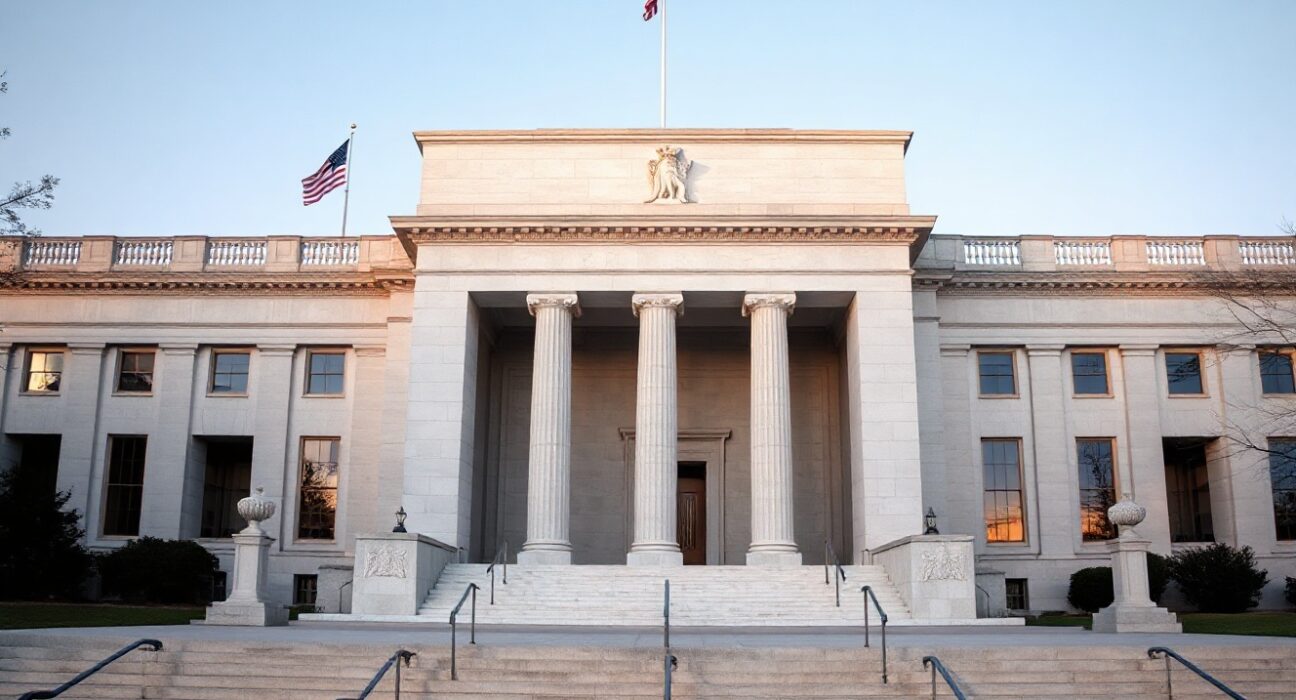
The Federal Reserve is navigating a challenging economic landscape characterized by sideways growth and persistently sticky inflation, according to a recent analysis by TD Securities. The report highlights that the U.S. economy is neither expanding robustly nor contracting sharply, while price pressures remain stubbornly above the central bank’s target.
What Does Sideways Growth Mean for the Economy?
Sideways growth, as described by TD Securities, suggests that the U.S. economy is plateauing, with GDP expansion remaining muted in recent quarters. This pattern often reflects a slowdown in consumer spending, business investment, and manufacturing activity, yet it stops short of a full recession. For the Federal Reserve, this creates a delicate balancing act: supporting growth while still combating inflation.
Recent data, including employment figures and retail sales, have shown mixed signals. While the labor market remains relatively resilient, other indicators point to cooling momentum. This stagnation, if prolonged, could limit the Fed’s ability to cut interest rates without reigniting price pressures.
Why Is Inflation Proving Sticky?
Inflation has proven more persistent than many policymakers initially expected. Core inflation, which excludes volatile food and energy prices, has remained elevated due to factors such as housing costs, services inflation, and supply chain frictions. TD Securities notes that these components are less responsive to interest rate hikes, making it difficult for the Fed to bring inflation down to its 2% target quickly.
The term “sticky” is used because these price pressures are not easily reversed. As of the latest reports, the Consumer Price Index (CPI) has shown only gradual declines, and some measures of inflation expectations remain elevated. This suggests that the Fed may need to maintain a restrictive policy stance for longer than markets anticipate.
Implications for Interest Rates and Markets
The combination of sideways growth and sticky inflation has significant implications for the Federal Reserve’s policy path. TD Securities argues that the Fed is likely to hold rates steady for an extended period, avoiding both premature cuts and additional hikes. This stance is intended to let the current policy work through the economy without risking a policy mistake.
For investors, this means adjusting expectations for rate cuts. Bond yields may remain elevated, and equity markets could face volatility as they price in a longer period of tight monetary policy. The housing market, particularly sensitive to mortgage rates, may continue to struggle, while consumers could see sustained high borrowing costs.
Conclusion
In summary, TD Securities’ analysis points to a Federal Reserve facing a complex trade-off between stagnant growth and persistent inflation. The path forward is likely to involve patience and data-dependence, with the central bank waiting for clearer signs that inflation is durably moving toward its target before considering any policy easing. For businesses and households, this suggests a period of continued uncertainty and elevated costs.
FAQs
Q1: What does “sideways growth” mean in economic terms?
Sideways growth refers to a period when an economy’s GDP growth is flat, neither expanding significantly nor contracting. It indicates a slowdown in economic momentum without a full recession.
Q2: Why is inflation considered “sticky”?
Sticky inflation describes price increases that persist despite policy efforts to cool the economy. It often involves components like housing and services, which adjust slowly to interest rate changes.
Q3: How might this affect the Federal Reserve’s interest rate decisions?
The Fed is likely to keep rates unchanged for a longer period, waiting for clearer evidence that inflation is on a sustainable downward path before considering cuts, balancing the need to support growth without reigniting price pressures.
Disclaimer: The information provided is not trading advice, Bitcoinworld.co.in holds no liability for any investments made based on the information provided on this page. We strongly recommend independent research and/or consultation with a qualified professional before making any investment decisions.
