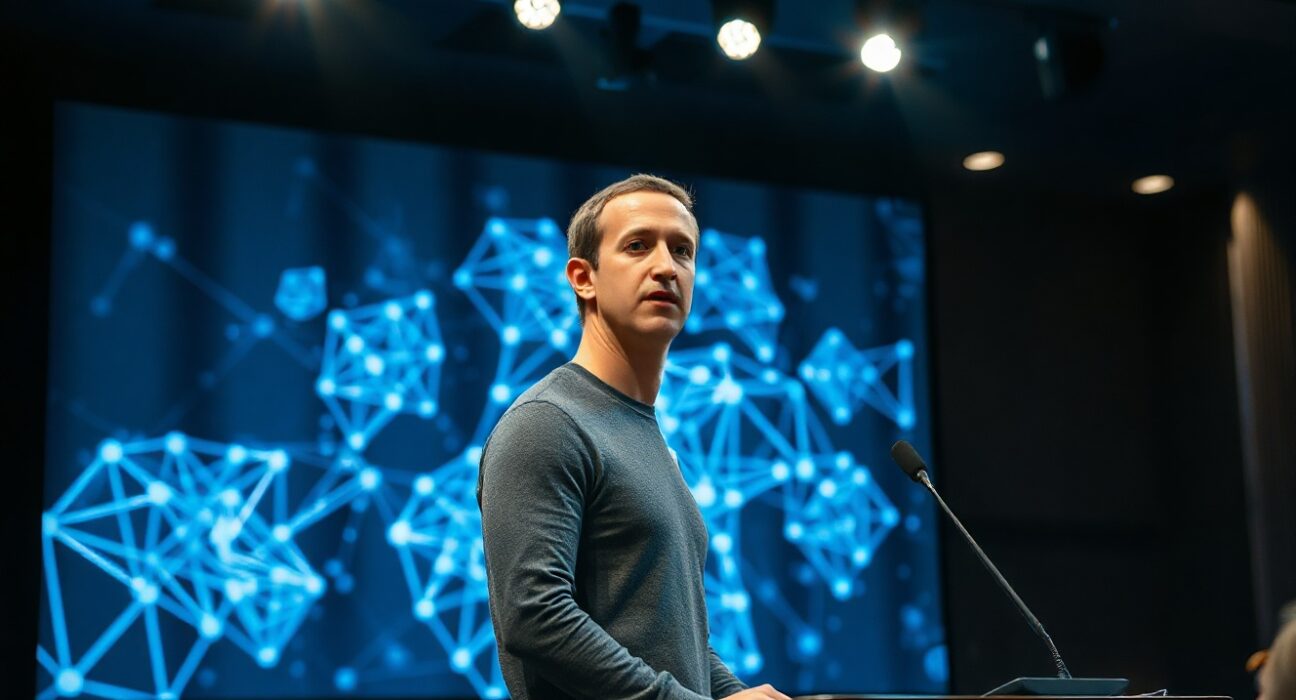
Mark Zuckerberg published a 6,500-word manifesto on Monday outlining his vision for “personal superintelligence,” but the essay underscores a growing disconnect between tech leaders’ optimistic narratives and public skepticism about AI’s societal impact.
What Zuckerberg’s manifesto says
The Meta CEO’s essay, which expands on themes he previously shared in the Wall Street Journal and on earnings calls, describes a future where everyone has access to a personal AI tutor, lawyer, and assistant. He argues that democratizing superintelligence will empower individuals and lead to a more equitable society.
However, the manifesto is notable for what it omits: a direct acknowledgment of the harms that AI systems are already causing. Zuckerberg’s examples, such as AI tutors with “unlimited patience” and superintelligent lawyers, ignore the real-world misuse of these tools, from students using chatbots to cheat to the potential for AI to flood courts with frivolous litigation.
Why the public remains skeptical
Zuckerberg’s essay arrives amid widespread distrust of tech platforms. A recent survey found that 64% of Americans believe social media has harmed democracy, and a similar share support stricter regulation. Just this weekend, a court fined Meta $567 million for practices harmful to children.
This context matters because it explains why Zuckerberg’s assurances fall flat. The public has seen how platforms like Facebook evolved, and they fear AI will follow a similar trajectory—promising connection but delivering division, surveillance, and exploitation.
The trust deficit is a strategic liability
For the AI industry, the trust gap is not just a PR problem; it is a regulatory and adoption risk. If people do not believe that AI companies can be trusted to act responsibly, they will demand stricter oversight, which could slow innovation. Zuckerberg’s manifesto, by ignoring these concerns, may inadvertently reinforce the very fears it seeks to allay.
What the industry can learn
Other AI leaders, such as Sam Altman and Dario Amodei, have adopted a different approach: they openly discuss risks and their own safeguards. While that communication is imperfect, it at least acknowledges the public’s anxiety. Zuckerberg’s essay, by contrast, reads as a sales pitch, not a dialogue.
For Meta, the stakes are high. The company is betting its future on AI, but it must first win back the trust of users who have been burned before. That will require more than manifestos; it will require concrete actions, such as transparent AI governance and meaningful user control.
Conclusion
Zuckerberg’s vision of personal superintelligence is ambitious, but it fails to address the fundamental issue: people do not trust tech executives to manage powerful technologies. Until that changes, even the most compelling AI promises will be met with suspicion.
FAQs
Q1: What is Mark Zuckerberg’s “personal superintelligence”?
It’s a concept where AI systems act as personalized tutors, lawyers, and assistants, available to everyone for free or at low cost. Zuckerberg argues this will democratize access to expertise.
Q2: Why are people skeptical about AI after reading the manifesto?
Because the essay ignores real-world harms like AI-enabled cheating and potential legal system abuse, and it comes from a tech leader with a history of platform trust issues.
Q3: How does this affect the AI industry?
The trust gap could lead to stricter regulation and slower adoption, as the public and policymakers may not believe that AI companies can self-regulate effectively.
Disclaimer: The information provided is not trading advice, Bitcoinworld.co.in holds no liability for any investments made based on the information provided on this page. We strongly recommend independent research and/or consultation with a qualified professional before making any investment decisions.