

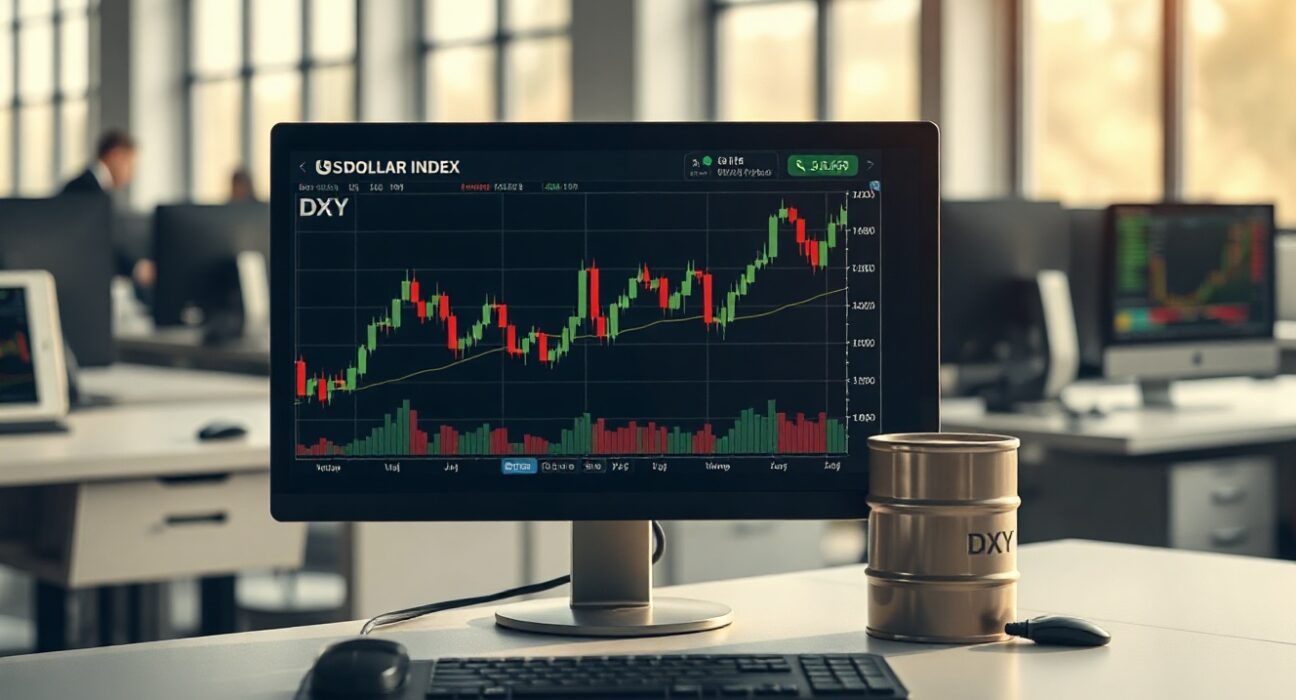
The US Dollar Index (DXY) is holding steady in early trading, supported by a rise in oil prices that has underpinned demand for the greenback. As of [current date], the index remains near recent levels, with traders weighing the impact of energy costs on global inflation and central bank policy.
What’s Driving the Dollar’s Resilience?
Rising oil prices have historically had a mixed relationship with the US dollar. Higher energy costs can boost demand for dollars in international trade, as oil is priced in dollars. This dynamic is providing a floor under the DXY, even as other pressures weigh on the currency. The recent uptick in crude prices, driven by supply concerns and geopolitical tensions, has added a supportive layer for the dollar index.
However, the broader outlook remains complex. The Federal Reserve’s policy path, inflation data, and global growth prospects all play into the dollar’s trajectory. While oil provides short-term support, traders are closely watching upcoming economic indicators and central bank communications for clearer direction.
Key Levels to Watch in the DXY
Technical analysts note that the DXY is trading within a well-defined range, with immediate support near recent lows and resistance at higher levels. A sustained break above resistance could signal further upside, while a drop below support might open the door to deeper losses. The interplay between oil prices and the dollar will likely remain a key driver in the near term.
Why This Matters for Your Portfolio
For investors and businesses with international exposure, the dollar’s strength directly impacts purchasing power, competitiveness, and asset valuations. A firmer dollar can pressure emerging market currencies and commodities, while a weaker dollar tends to boost exports and multinational earnings. Understanding these dynamics helps market participants make more informed decisions.
Conclusion
The US Dollar Index is finding support from rising oil prices, but the path forward hinges on a range of global and domestic factors. Traders should monitor energy markets, Fed signals, and economic data for clues on the next major move. As always, staying informed and adaptable is crucial in today’s dynamic currency markets.
FAQs
Q1: How do oil prices affect the US Dollar Index?
Higher oil prices can increase demand for dollars because international oil transactions are typically conducted in dollars. This can provide short-term support to the DXY, though the long-term impact depends on broader economic conditions.
Q2: What are the key levels to watch in the DXY?
Technical traders often look at recent support and resistance levels on the DXY chart. A break above resistance could signal bullish momentum, while a drop below support might indicate further downside. These levels shift with market conditions.
Q3: Is the dollar’s strength sustainable?
The sustainability of dollar strength depends on multiple factors, including Federal Reserve policy, inflation trends, and global growth. While oil prices provide support, a sustained rally would likely require a favorable shift in these underlying drivers.
Disclaimer: The information provided is not trading advice, Bitcoinworld.co.in holds no liability for any investments made based on the information provided on this page. We strongly recommend independent research and/or consultation with a qualified professional before making any investment decisions.
