

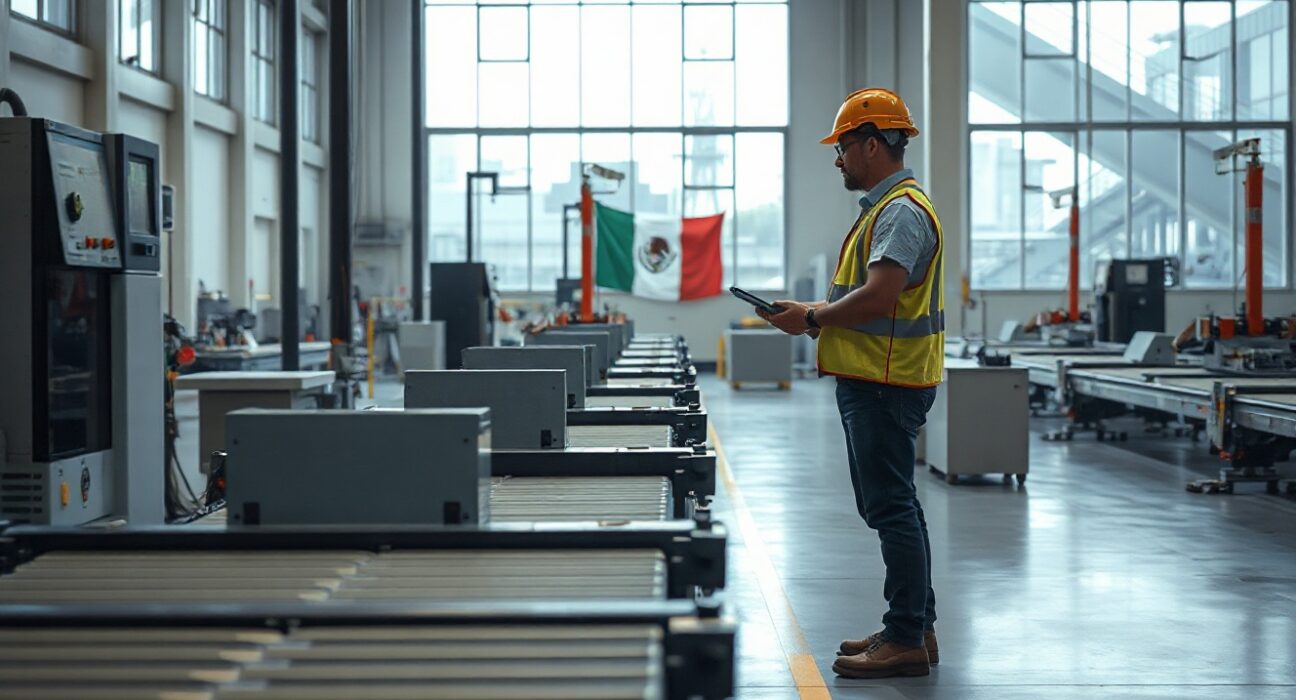
Mexico’s industrial output rose 1.7% in June compared to the same month last year, surpassing market expectations of a 1.1% increase, according to data released by the National Institute of Statistics and Geography (INEGI). The stronger-than-anticipated performance was driven by gains in manufacturing and construction, signaling resilience in Latin America’s second-largest economy.
What drove the June industrial production increase?
The monthly data, adjusted for seasonality, showed that manufacturing—the largest component of the index—expanded solidly, supported by demand from the United States, Mexico’s top trading partner. Construction also contributed positively, rebounding from a weak patch earlier in the year. Mining and utilities, however, posted more modest gains, partially offsetting the overall advance.
On a month-over-month basis, industrial production rose 0.5% in June, recovering from a slight contraction in May. This aligns with broader economic trends that have seen Mexico’s economy grow steadily, albeit at a moderate pace, amid high interest rates and global uncertainty.
What does this mean for the Mexican economy?
The better-than-expected industrial data provides a tailwind for economic growth forecasts in the third quarter. It also supports the central bank’s cautious stance on rate cuts, as policymakers balance inflation control with the need to sustain momentum. For investors, the data reinforces Mexico’s position as a key manufacturing hub, particularly in sectors like automotive, electronics, and aerospace, which have benefited from nearshoring trends.
However, analysts caution that the industrial sector still faces headwinds, including potential slowdowns in the U.S. economy and domestic infrastructure challenges. The year-on-year comparison also benefits from a low base in June 2023, when output was relatively weak.
How do the details break down by sector?
According to INEGI’s breakdown, manufacturing output rose 2.3% year-on-year, while construction grew 1.8%. Mining contracted 0.5%, and utilities (electricity, gas, and water) increased 0.9%. These figures highlight the uneven recovery across sectors, with manufacturing leading the way.
Conclusion
Mexico’s industrial output beat forecasts in June, underpinned by manufacturing and construction, though mining remained a drag. The data points to continued economic resilience, but risks from global demand and domestic constraints persist. Policymakers and investors will watch upcoming releases for signs of sustained momentum.
FAQs
Q1: What is the significance of the 1.7% year-on-year increase in Mexico’s industrial output?
The 1.7% rise indicates that Mexico’s industrial sector expanded faster than expected in June, suggesting resilience in the economy. It also provides positive signals for GDP growth, as industry is a key component of national output.
Q2: Which sectors contributed most to the industrial output growth?
Manufacturing and construction were the main contributors, with manufacturing rising 2.3% and construction 1.8% year-on-year. Mining contracted, and utilities grew modestly.
Q3: How does this data affect monetary policy expectations?
The strong industrial data may reduce the likelihood of immediate interest rate cuts, as it indicates the economy is performing well. The central bank will continue to monitor inflation and global conditions before adjusting policy.
Disclaimer: The information provided is not trading advice, Bitcoinworld.co.in holds no liability for any investments made based on the information provided on this page. We strongly recommend independent research and/or consultation with a qualified professional before making any investment decisions.
