

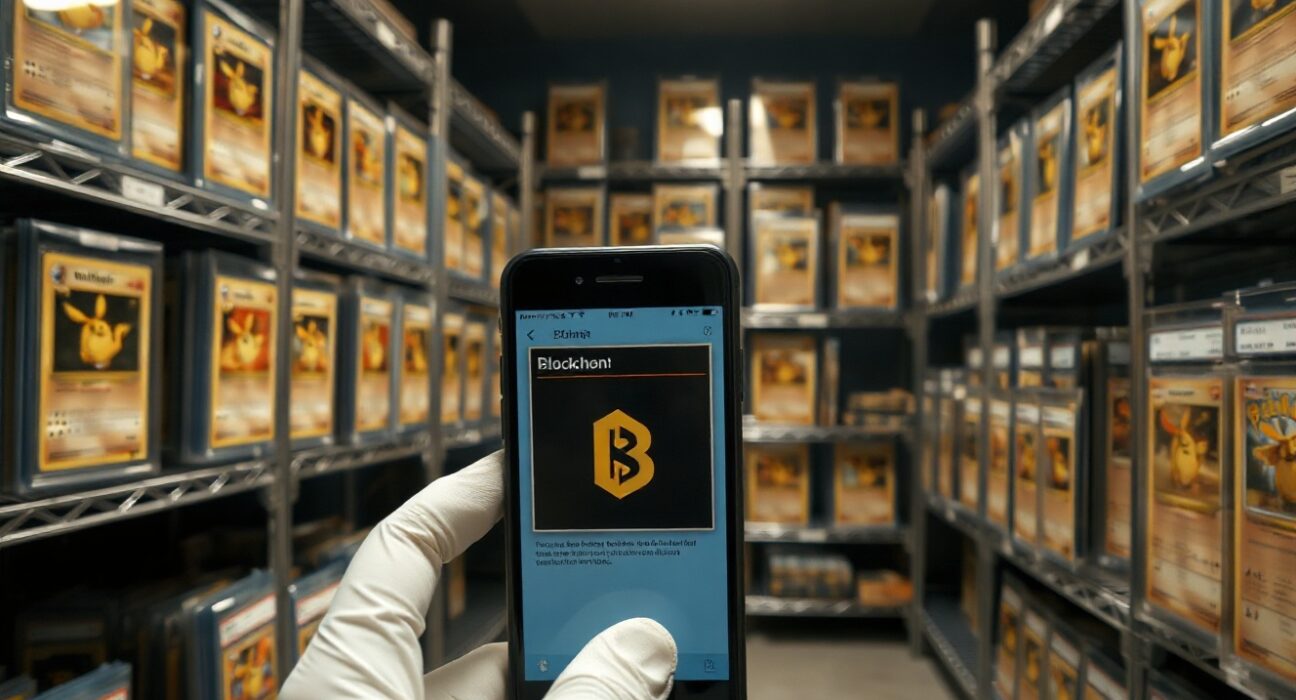
The trading card market, estimated to be worth as much as $15 billion, is seeing a new wave of blockchain-based platforms that allow collectors to trade ownership of physical cards without ever handling them. These platforms, such as Deadstock from Web3 startup ATH Labs, are testing a model where PSA 10 Pokemon cards are stored in secure vaults, and each card is represented by a one-to-one token on the blockchain. This allows ownership to change hands digitally while the physical asset remains safely stored.
How Tokenized Card Trading Works
Deadstock is currently piloting this approach on the Arbitrum network. The process involves sending a physical Pokemon card to a grading service like PSA, and once it receives a high grade (such as PSA 10), it is placed in a professional vault. A digital token is then minted on the blockchain, representing that specific card. Collectors can buy, sell, or trade these tokens, effectively transferring ownership of the underlying physical card without shipping it.
This model is not entirely new — similar concepts have been explored in other collectibles markets, such as tokenized art or real estate. However, applying it to the highly liquid and passionate Pokemon card market presents unique opportunities and challenges. The key appeal is liquidity: it becomes easier to trade high-value cards instantly, without the friction of shipping, insurance, and authentication delays.
Market Dynamics and Trading Patterns
House of Chimera, a crypto research firm, has observed that a significant portion of trading volume on these platforms does not come from peer-to-peer sales between individual collectors. Instead, much of the activity is driven by game-like features such as card pack openings or the platforms’ instant-buy options. These features are designed to make trading more engaging and accessible, but they also raise questions about whether the volume reflects genuine collector demand or speculative activity.
For context, sales of individual trading cards on eBay alone reached $2.62 billion in 2025. The existing market is robust, with established pricing and trust mechanisms. The question for tokenized platforms is whether they can achieve comparable liquidity and price discovery. Early data suggests they are still far from that level, but the model’s potential to reduce transaction friction could attract a new wave of traders.
Why This Matters for Collectors and Investors
For collectors, the main benefit is convenience and security. Vaulting eliminates the risk of damage or loss during shipping, and blockchain-based ownership records are transparent and immutable. For investors, tokenization could open the door to fractional ownership or easier portfolio diversification across high-value cards.
However, there are risks. The market is still nascent, and regulatory clarity around tokenized assets remains uncertain. Additionally, the reliance on a central custodian to hold the physical cards introduces counterparty risk — if the vault operator fails, the tokens could become worthless. Collectors should carefully evaluate the security measures and insurance policies of any platform before participating.
Conclusion
Tokenized platforms for physical Pokemon cards represent an innovative intersection of traditional collectibles and blockchain technology. While the market is still in its early stages, the potential to streamline trading and enhance liquidity is clear. Whether these platforms can gain the trust of mainstream collectors and achieve price discovery comparable to established marketplaces remains to be seen. As the space evolves, both collectors and investors should stay informed about the risks and opportunities.
FAQs
Q1: What are tokenized Pokemon cards?
Tokenized Pokemon cards are physical cards that are graded, stored in a vault, and represented by a digital token on a blockchain. The token can be traded, and ownership of the physical card is transferred when the token changes hands.
Q2: Are these platforms safe to use?
Safety depends on the platform’s security measures, insurance coverage, and the custodian’s reliability. As with any investment, it’s important to do thorough research and understand the risks before participating.
Q3: How does this affect the traditional trading card market?
Tokenization could increase liquidity and make high-value cards more accessible, but it may also introduce new risks and regulatory questions. The traditional market, such as eBay, remains dominant, and it’s unclear how quickly tokenized platforms will gain traction.
Disclaimer: The information provided is not trading advice, Bitcoinworld.co.in holds no liability for any investments made based on the information provided on this page. We strongly recommend independent research and/or consultation with a qualified professional before making any investment decisions.
