

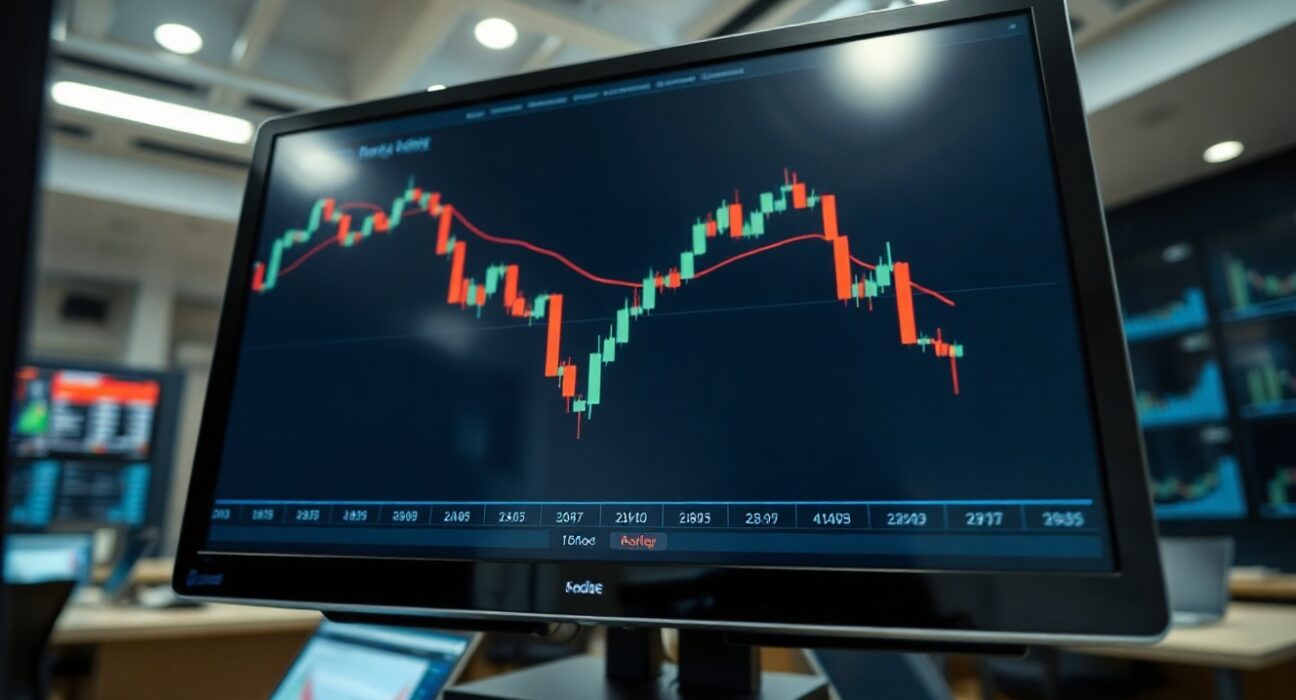
The US Dollar Index (DXY) is trading without a dovish tail to price, as market participants reassess expectations for Federal Reserve interest rate cuts amid persistent inflation and resilient economic data.
What Does ‘No Dovish Tail’ Mean for the Dollar?
The phrase “no dovish tail” indicates that there is little room for the dollar to weaken further based on expectations of imminent Fed easing. As of this analysis, the market has largely priced in the current path of Fed policy, and any additional dovish surprises would be needed to drive the dollar lower. However, with inflation still above the Fed’s 2% target and the labor market showing strength, the central bank has maintained a cautious stance, reducing the likelihood of aggressive rate cuts.
Market Context and Recent Movements
The DXY, which measures the dollar against a basket of major currencies, has experienced volatility in recent weeks. Investors have been adjusting their positions in response to Fed communications and economic indicators. A key factor is the resilience of the US economy, which has led to a reassessment of the timing and magnitude of rate cuts. The dollar’s strength is also supported by its status as a safe-haven asset amid global uncertainties.
Implications for Traders and Investors
For currency traders, the lack of a dovish tail suggests that the dollar may remain supported in the near term, but any unexpected dovish signals from the Fed could trigger a sharp decline. Investors should monitor upcoming Fed meetings and key economic data releases, such as inflation reports and employment figures, for clues about the future direction of monetary policy.
Conclusion
In summary, the US Dollar Index is currently trading without a dovish tail, reflecting a market that has largely priced in the Fed’s policy path. The dollar’s trajectory will depend on incoming data and central bank guidance, making it a key focus for traders and analysts.
FAQs
Q1: What is the US Dollar Index?
The US Dollar Index (DXY) measures the value of the US dollar relative to a basket of foreign currencies, including the euro, yen, pound, Canadian dollar, Swedish krona, and Swiss franc.
Q2: Why is the dollar not weakening despite rate cut expectations?
The dollar remains supported because the market has already priced in expected rate cuts, and the US economy’s resilience reduces the need for aggressive easing. Additionally, the dollar benefits from safe-haven demand during global uncertainty.
Q3: What could cause a significant dollar decline?
A significant dollar decline could occur if the Fed signals more dovish policy than currently expected, such as larger or faster rate cuts, or if economic data deteriorates sharply, prompting the central bank to act more aggressively.
Disclaimer: The information provided is not trading advice, Bitcoinworld.co.in holds no liability for any investments made based on the information provided on this page. We strongly recommend independent research and/or consultation with a qualified professional before making any investment decisions.
