

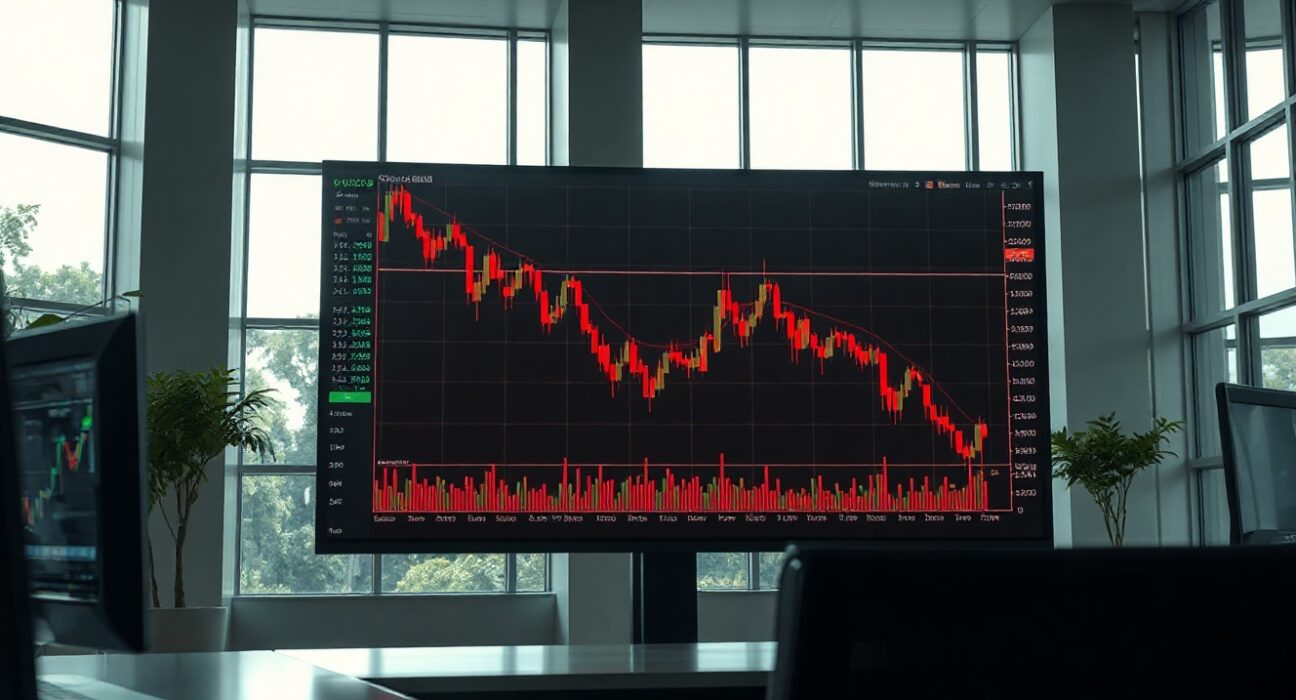
Weekly trading volume on prediction market platforms Polymarket and Kalshi has fallen sharply from recent highs, according to data compiled by Dune Analytics and reported by Bloomberg on Aug. 12. The decline reflects easing demand for event-based contracts following a period of intense activity driven by major sports and political events.
Volume drop across platforms
Polymarket’s weekly trading volume, which combines its global and U.S.-only platforms, was down 56% at the end of last month compared to the record high reached in June. The drop follows a surge in activity earlier in the summer, when high-profile political races and major sports tournaments drew heavy trading.
Kalshi, a rival platform, experienced a smaller decline of 25% over the same period, according to Bloomberg. The report noted that the end of the World Cup reduced demand for sports-related contracts, which had been a major driver of trading volume on both platforms.
Context and implications
The pullback in volume is not unexpected, as prediction markets often see spikes during major events and subsequent lulls when fewer high-stakes contracts are available. The data highlights the cyclical nature of these platforms, which rely heavily on a calendar of political, sports, and cultural events to sustain user engagement.
For Polymarket, the larger decline may reflect its heavier reliance on political betting, which saw intense activity during primary seasons and major elections. With fewer headline-grabbing political events in recent weeks, trading interest has naturally cooled. Kalshi’s smaller drop could be attributed to its broader range of event contracts, including economic and entertainment categories, which provide a more stable base of activity.
What this means for the prediction market industry
The volume decline is a reminder that prediction markets remain event-driven and subject to sharp fluctuations. While the long-term growth trajectory of these platforms remains positive, short-term volatility is expected as users rotate in and out based on upcoming events.
For traders and observers, the current lull may present an opportunity to assess platform liquidity and user behavior ahead of the next major event cycle, such as the upcoming U.S. presidential election, which is likely to drive renewed interest and trading volume.
Conclusion
The recent drop in weekly trading volume on Polymarket and Kalshi reflects a natural cooling after a period of heightened activity. While the decline is notable, it does not signal a fundamental shift in the prediction market industry, which remains closely tied to the calendar of major events. As the next election cycle approaches, both platforms are expected to see renewed engagement.
FAQs
Q1: Why did Polymarket’s volume drop more than Kalshi’s?
Polymarket’s volume fell 56% from its June peak, while Kalshi’s dropped 25%. The larger decline is likely due to Polymarket’s heavier focus on political events, which have been less frequent in recent weeks, whereas Kalshi offers a broader range of contracts across categories like economics and entertainment.
Q2: Will prediction market volume recover?
Yes, historically, prediction market activity spikes around major events such as elections, sports championships, and other high-profile occurrences. With the U.S. presidential election approaching, volume on both platforms is expected to increase significantly.
Q3: What factors drive trading volume on prediction markets?
Key drivers include major political events, sports tournaments, economic indicators, and entertainment awards. Media coverage and public interest also play a significant role in attracting traders to specific contracts.
Disclaimer: The information provided is not trading advice, Bitcoinworld.co.in holds no liability for any investments made based on the information provided on this page. We strongly recommend independent research and/or consultation with a qualified professional before making any investment decisions.
