

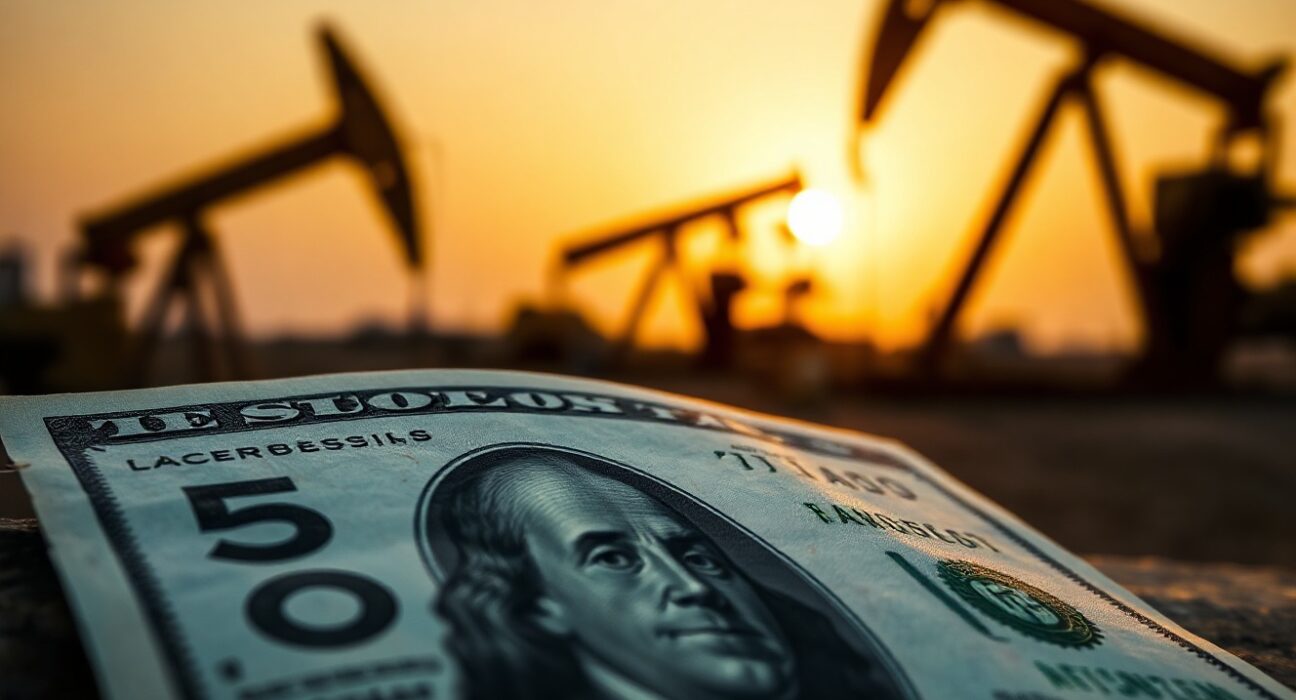
The U.S. dollar held firm against major peers on Tuesday as traders positioned for the latest inflation data, while oil prices climbed on renewed geopolitical tensions in the Strait of Hormuz.
Market Focus Shifts to U.S. CPI Report
Investors are closely watching the upcoming U.S. Consumer Price Index (CPI) report, scheduled for release later this week, for fresh signals on the Federal Reserve’s monetary policy path. The dollar index, which measures the currency against a basket of six major counterparts, remained near recent highs as expectations of a steady Fed stance supported the greenback.
Economists polled by Reuters expect headline CPI to rise 0.3% month-over-month in the latest reading, with core prices also forecast to increase 0.3%. A hotter-than-expected print could reinforce the case for the Fed to keep interest rates elevated for longer, underpinning the dollar. Conversely, a softer figure might fuel speculation about rate cuts, potentially weighing on the currency.
Hormuz Tensions Boost Oil Prices
Oil prices extended gains after reports of increased military activity near the Strait of Hormuz, a critical chokepoint for global crude shipments. Brent crude futures rose 1.2% to $82.50 per barrel, while West Texas Intermediate (WTI) climbed 1.4% to $78.20, as of 10:00 GMT.
The tensions, which involve Iranian naval exercises and heightened U.S. patrols, have raised concerns about potential supply disruptions. The Strait of Hormuz handles roughly 20% of global oil consumption, making any threat to shipping lanes a significant risk for energy markets.
Why This Matters for Investors
The combination of a firm dollar and rising oil prices creates a mixed backdrop for global markets. A stronger dollar can pressure emerging-market currencies and commodities priced in the currency, while higher energy costs may feed into inflation readings, complicating central bank decisions.
For equity investors, the interplay between CPI data and geopolitical risks could drive volatility in the coming sessions. Sectors such as energy and materials may benefit from higher oil prices, while consumer discretionary and transportation stocks could face headwinds from rising input costs.
Conclusion
As markets await the U.S. CPI report, the dollar’s resilience reflects expectations of a patient Fed, while geopolitical tensions in the Gulf keep oil prices elevated. Traders should brace for potential market swings as these factors converge later this week.
FAQs
Q1: What is the significance of the U.S. CPI report for the dollar?
The CPI report provides a key measure of inflation. If inflation remains high, the Federal Reserve may keep interest rates higher for longer, which tends to support the dollar. Conversely, weak inflation data could lead to expectations of rate cuts, potentially weakening the currency.
Q2: How do Hormuz tensions affect oil prices?
The Strait of Hormuz is a vital oil shipping route. Any threat to its security raises concerns about supply disruptions, which typically drives oil prices higher due to the increased risk premium.
Q3: What should investors watch in the coming days?
Investors should monitor the CPI release for inflation trends, as well as any developments in the Middle East that could escalate or de-escalate tensions. Both factors are likely to influence market direction in the short term.
Disclaimer: The information provided is not trading advice, Bitcoinworld.co.in holds no liability for any investments made based on the information provided on this page. We strongly recommend independent research and/or consultation with a qualified professional before making any investment decisions.
