

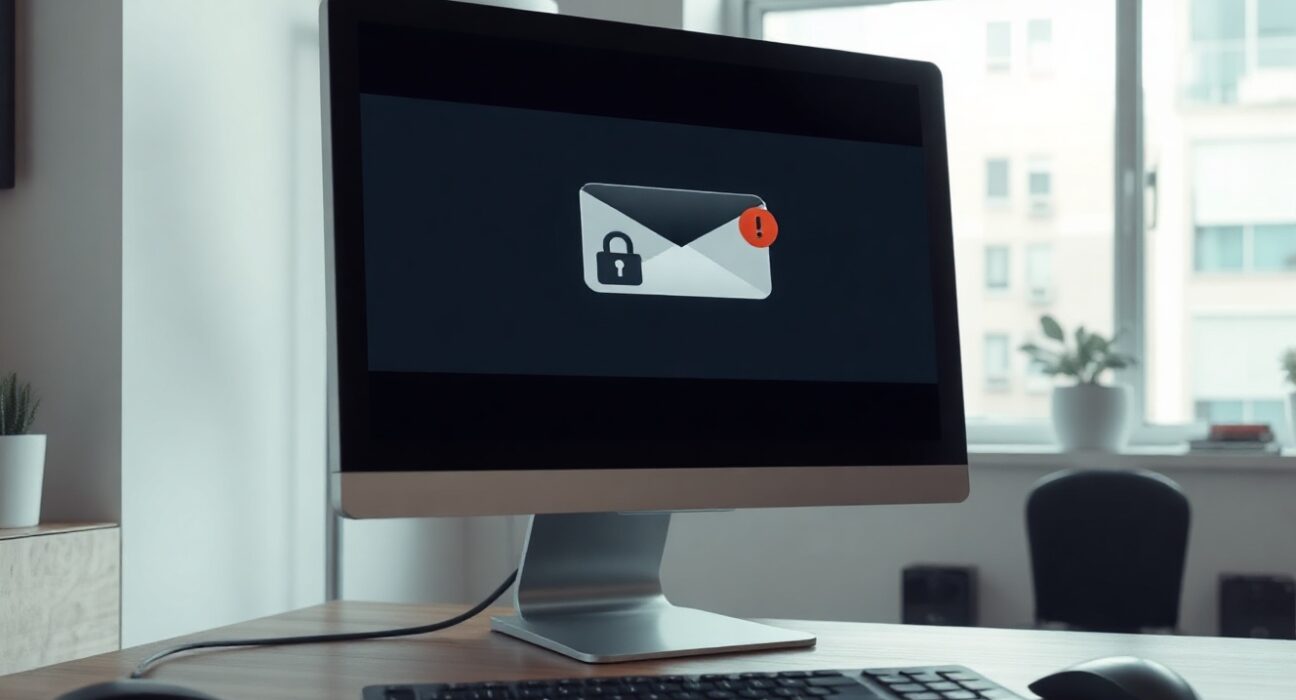
South Korea’s National Tax Service (NTS) has issued a public alert after detecting phishing attempts that exploit the country’s upcoming virtual asset taxation rules. The agency warned that malicious emails, disguised as official guidance on cryptocurrency tax reporting, have been circulating and have already led to personal data leaks in some cases, according to a report by Tax Daily.
Phishing Campaign Targets Crypto Taxpayers
The NTS said the fraudulent emails use subject lines such as “가상자산 과세 사전 소명안내” (Notice of Pre-Explanation of Virtual Asset Taxation) to trick recipients into clicking malicious links or opening attachments. The agency urged anyone receiving such messages not to click on any embedded links or download attachments, as doing so could compromise personal information and potentially lead to financial fraud.
The alert comes as South Korea prepares to implement a 20% tax on virtual asset gains exceeding 2.5 million won (approximately $1,800) per year, starting January 2025. The tax, originally scheduled for 2022, was delayed twice due to market volatility and public opposition. With the new deadline approaching, cybercriminals are capitalizing on taxpayers’ uncertainty and anxiety about compliance.
Why This Matters for Crypto Investors
Phishing attacks targeting tax season are not new, but the intersection with cryptocurrency adds a layer of complexity. Unlike traditional bank accounts, crypto transactions are often irreversible, making stolen funds difficult to recover. Moreover, personal data leaked through such scams can be used for identity theft, opening unauthorized accounts, or further targeted phishing campaigns.
The NTS emphasized that official communications from the tax agency would never request sensitive personal information via email or ask recipients to click external links for verification. The agency advised taxpayers to verify any suspicious messages by contacting the NTS call center or visiting the official website directly.
How to Stay Protected
Taxpayers should be vigilant for red flags such as urgent language, unfamiliar sender addresses, and requests for immediate action. Using two-factor authentication for email accounts and regularly updating passwords can also mitigate risks. The NTS also recommends reporting any suspicious emails to the Korea Internet & Security Agency (KISA) or the police cybercrime unit.
Broader Implications for Crypto Taxation
This phishing wave highlights the growing pains of implementing crypto taxation in a country with high digital asset adoption. South Korea is one of the world’s largest cryptocurrency markets, and the new tax regime is expected to affect a significant number of investors. The government has been working on a clear reporting framework, but the transition period has created opportunities for scammers.
Similar phishing tactics have been observed in other jurisdictions, including the United States, where the IRS has warned about fake tax notices targeting crypto holders. The key takeaway for investors worldwide is to treat unsolicited tax-related emails with skepticism and always verify through official channels.
Conclusion
South Korea’s tax agency has taken a proactive step by publicly warning about these phishing attempts, helping taxpayers avoid falling victim to scams. As the January 2025 crypto tax deadline approaches, both the NTS and investors must remain vigilant. The incident underscores the need for robust cybersecurity practices and public awareness in the evolving landscape of digital asset regulation.
FAQs
Q1: What should I do if I receive a suspicious email claiming to be from the South Korean tax agency?
Do not click any links or open attachments. Delete the email and report it to the National Tax Service or the Korea Internet & Security Agency (KISA). You can also verify the authenticity by contacting the NTS call center directly.
Q2: Is South Korea’s cryptocurrency tax already in effect?
No, the tax is scheduled to take effect on January 1, 2025. It will impose a 20% tax on virtual asset gains exceeding 2.5 million won (about $1,800) per year. The tax was originally planned for 2022 but was delayed twice.
Q3: How can I protect my personal information from phishing attacks?
Use strong, unique passwords for your email and crypto exchange accounts, enable two-factor authentication, and be cautious of any unsolicited messages that request personal data or urge immediate action. Always access official websites by typing the URL directly rather than clicking links in emails.
Disclaimer: The information provided is not trading advice, Bitcoinworld.co.in holds no liability for any investments made based on the information provided on this page. We strongly recommend independent research and/or consultation with a qualified professional before making any investment decisions.
