

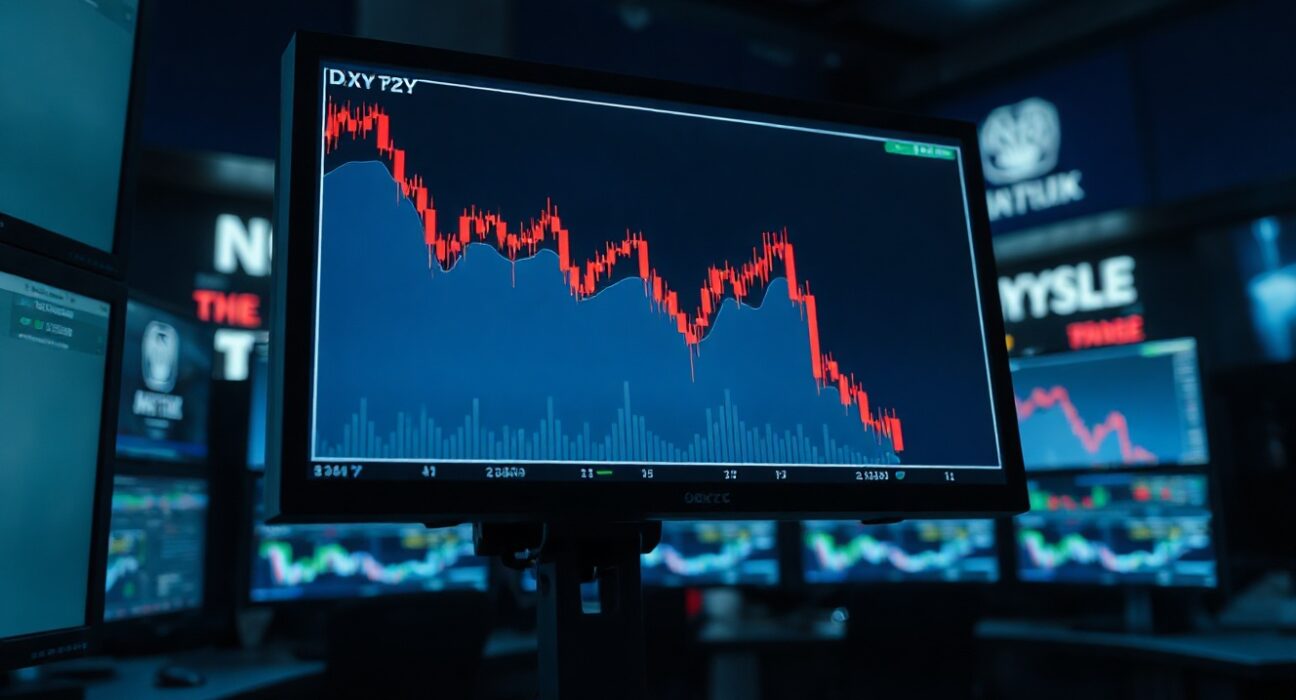
The US Dollar Index (DXY) weakened on [date of data release, e.g., Wednesday] as fresh inflation data came in cooler than expected, prompting traders to scale back bets on further Federal Reserve interest rate hikes. The index, which measures the greenback against a basket of six major currencies, fell by [percentage]% to [level] in early trading, reflecting a shift in market sentiment toward a less hawkish Fed outlook.
Inflation Data and Fed Expectations
The latest Consumer Price Index (CPI) report, released [date], showed that headline inflation rose [percentage]% year-over-year, below the [percentage]% forecast. Core inflation, which excludes volatile food and energy prices, also came in softer than expected. This data has led investors to reassess the likelihood of another rate increase at the Fed’s next meeting, with futures markets now pricing in a [percentage]% probability of a hold, according to CME FedWatch.
Cooling inflation is a key signal for the Fed, which has maintained a data-dependent stance. The central bank has repeatedly emphasized that future policy decisions will hinge on incoming economic indicators. A softer inflation print reduces the urgency for further tightening, which typically weighs on the dollar as lower rates diminish the currency’s yield appeal.
Market Reactions and Currency Movements
The dollar’s decline was broad-based, with the euro, yen, and pound all gaining ground against the greenback. The euro rose to [level] from [level] a day earlier, while the dollar-yen pair slipped to [level]. Emerging market currencies also benefited from the weaker dollar, as a less aggressive Fed path reduces pressure on capital outflows.
Commodity prices, including gold and oil, saw mixed reactions. Gold, which is priced in dollars, edged higher as a softer dollar makes it cheaper for foreign buyers. Meanwhile, oil prices were supported by the weaker dollar but faced headwinds from demand concerns.
Implications for Investors and Global Markets
For investors, the cooling inflation data and the resulting dollar weakness have several implications. A weaker dollar can boost multinational companies’ earnings, as overseas revenues translate into more domestic currency. It also provides relief to emerging markets that have struggled with dollar-denominated debt servicing.
However, analysts caution that the path forward remains uncertain. The Fed has stressed that it will not hesitate to resume hikes if inflation proves sticky. “One month of data does not make a trend,” said [Name], chief economist at [Firm]. “The Fed will need to see sustained evidence of disinflation before signaling a definitive pause.”
Conclusion
As of [date], the US Dollar Index remains under pressure, reflecting a market that is increasingly confident that the Fed’s tightening cycle may be nearing its end. While the cooling inflation data provides some relief to risk assets, the central bank’s next moves will depend on a broader set of economic indicators. Traders should remain vigilant, as any upside surprise in inflation could quickly reverse the dollar’s recent slide.
FAQs
Q1: What is the US Dollar Index (DXY)?
The US Dollar Index (DXY) measures the value of the US dollar relative to a basket of six major currencies: the euro, Japanese yen, British pound, Canadian dollar, Swedish krona, and Swiss franc. It is a widely used benchmark for the dollar’s overall strength in global markets.
Q2: How does cooling inflation affect the Federal Reserve’s rate decisions?
Cooling inflation reduces the urgency for the Fed to raise interest rates. Lower inflation means less pressure on the central bank to tighten monetary policy, which can lead to a pause or slowdown in rate hikes. This, in turn, can weaken the dollar as investors seek higher yields elsewhere.
Q3: Why does a weaker dollar matter for global markets?
A weaker dollar makes US exports more competitive, boosts multinational companies’ earnings, and eases financial conditions for emerging markets with dollar-denominated debt. It also affects commodity prices, as many commodities are priced in dollars, and can influence global capital flows.
Disclaimer: The information provided is not trading advice, Bitcoinworld.co.in holds no liability for any investments made based on the information provided on this page. We strongly recommend independent research and/or consultation with a qualified professional before making any investment decisions.
