

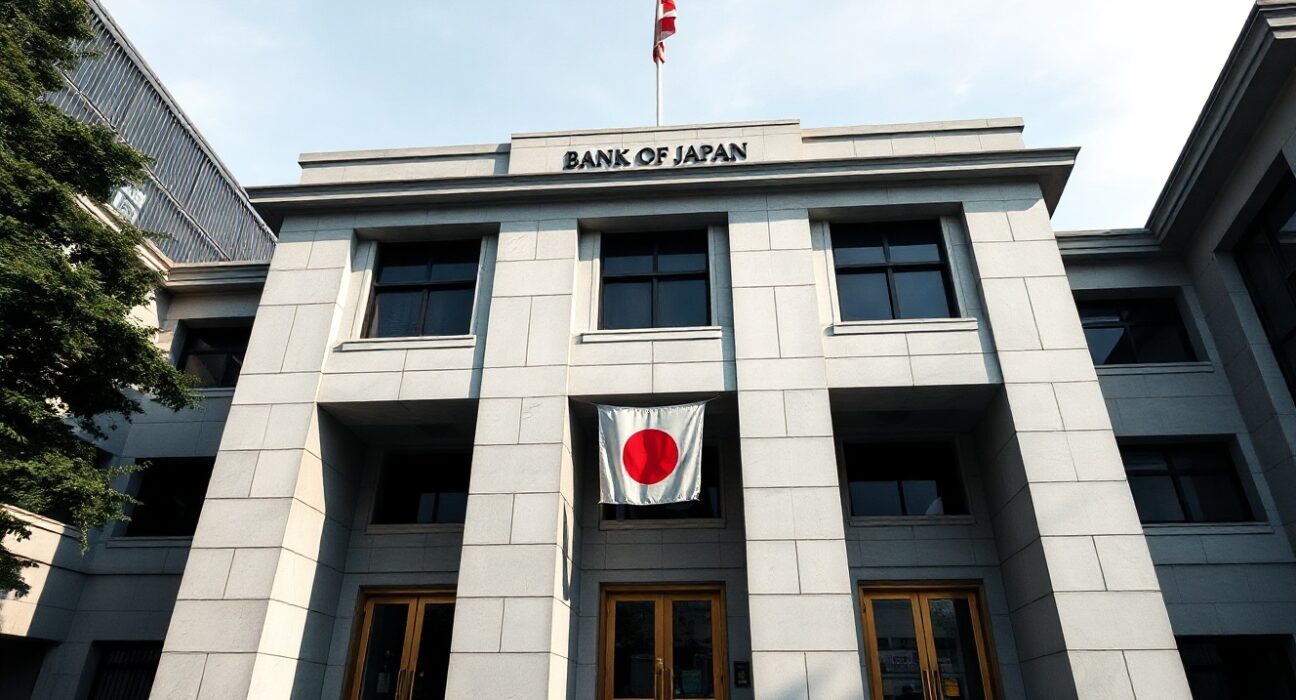
The Bank of Japan (BoJ) is widely expected to raise its key interest rate as soon as its September policy meeting, according to market analysts and recent communications from the central bank. This move would mark a significant step in the BoJ’s gradual exit from its long-standing ultra-loose monetary policy, with implications for global markets and the yen.
What’s Driving the Expected Rate Hike?
The BoJ’s shift toward normalization is fueled by sustained inflation above its 2% target and robust wage growth, which policymakers see as evidence that the economy can withstand tighter policy. In July, the bank already raised rates to a range of 0% to 0.1%, its first increase in 17 years, and signaled that further adjustments would depend on economic data. As of August 2025, core consumer inflation remains around 2.5%, supporting the case for another hike.
Governor Kazuo Ueda has emphasized that the bank will act if price trends align with its forecasts. Recent comments from board members suggest a growing consensus for action at the September 18-19 meeting, though some analysts caution that market volatility or a sharp yen appreciation could prompt a delay.
Market Implications and Yen Impact
A rate hike in September would likely strengthen the yen, which has been trading near multi-decade lows against the dollar. A firmer yen could reduce import costs and ease pressure on households, but it may also weigh on export competitiveness and corporate profits. Japanese government bond yields are expected to rise, affecting global fixed-income markets given Japan’s status as a major holder of foreign debt.
For global investors, the BoJ’s normalization adds to the broader trend of central banks adjusting policies after a period of aggressive tightening elsewhere. The move could also influence carry trades, where investors borrow yen at low rates to invest in higher-yielding assets elsewhere, potentially triggering volatility in emerging markets.
Why This Matters to You
For everyday consumers in Japan, a rate hike could lead to higher mortgage rates and loan costs, though it may also boost savings returns. For international investors, the BoJ’s decision is a key factor in currency markets and global bond yields. Understanding the timing and rationale helps in anticipating market movements and making informed financial decisions.
Conclusion
The Bank of Japan’s potential September rate hike represents a pivotal moment in its monetary policy history. With inflation and wages supporting normalization, the central bank appears poised to act, but it remains data-dependent and mindful of market stability. The outcome will be closely watched by economists, investors, and households alike.
FAQs
Q1: When will the Bank of Japan decide on the rate hike?
The BoJ’s next policy meeting is scheduled for September 18-19, 2025, where the decision is expected. The bank will assess economic data and market conditions before finalizing.
Q2: How might a rate hike affect the Japanese yen?
A rate hike typically strengthens the yen as it increases the appeal of yen-denominated assets. A stronger yen can lower import costs but may hurt exporters’ profits.
Q3: What are the broader implications for global markets?
Higher Japanese rates could lead to a sell-off in global bonds, as yields rise. It may also disrupt carry trades, causing volatility in emerging market currencies and assets.
Disclaimer: The information provided is not trading advice, Bitcoinworld.co.in holds no liability for any investments made based on the information provided on this page. We strongly recommend independent research and/or consultation with a qualified professional before making any investment decisions.
