

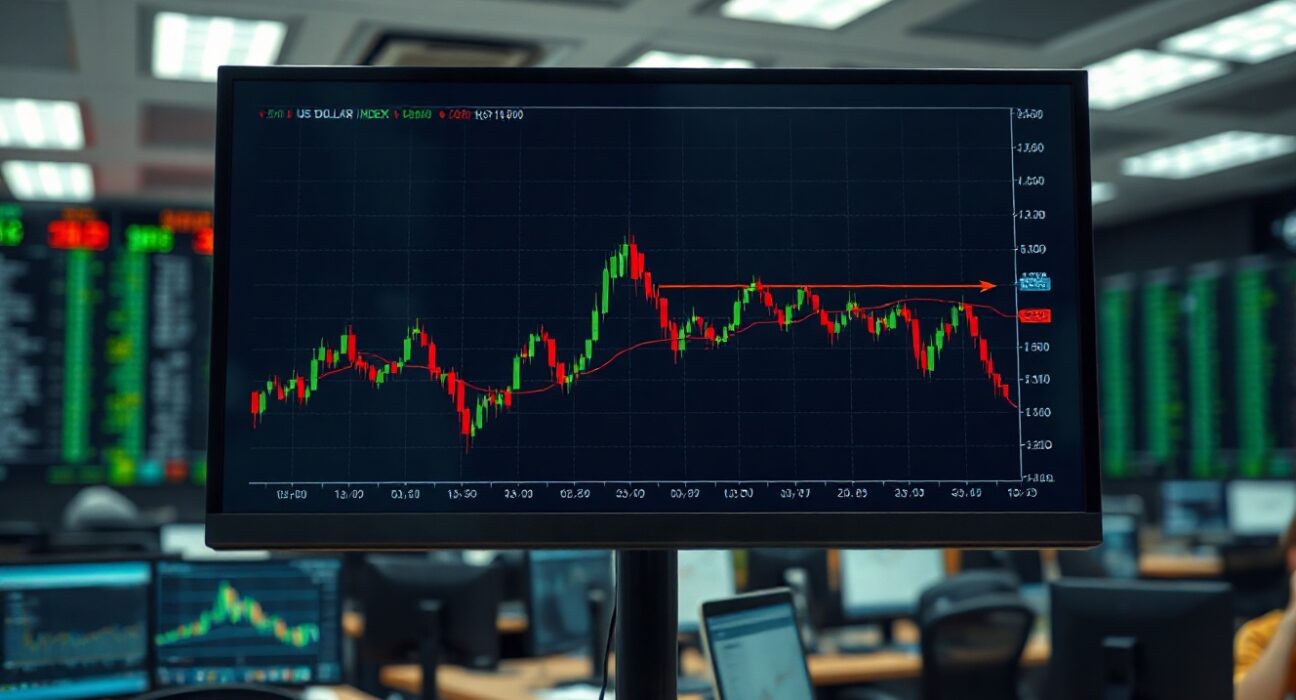
The US dollar is facing headwinds from declining short-term Treasury yields, according to analysts at MUFG, as of March 21, 2025. The bank notes that lower short-term yields are weighing on the greenback, making it less attractive to yield-seeking investors.
MUFG’s View on the Dollar
MUFG’s currency strategists highlight that the recent decline in short-term US Treasury yields is a key factor behind the dollar’s softness. They observe that as yields fall, the interest rate differential between the US and other major economies narrows, reducing the dollar’s appeal. This dynamic is particularly evident in the 2-year Treasury yield, which has moved lower in recent sessions.
The analysts suggest that the market is pricing in a more dovish path for the Federal Reserve, which is putting downward pressure on short-term yields. This repricing is occurring despite the Fed’s recent signals, as investors weigh economic data and inflation trends.
Market Context and Implications
The dollar’s weakness comes amid a broader shift in global currency markets. The euro and Japanese yen have both strengthened against the dollar, reflecting the narrowing yield gap. For traders, this means that currency pairs like EUR/USD and USD/JPY are moving in favor of the non-dollar currencies.
For businesses and investors, a softer dollar can have mixed effects. It makes US exports more competitive, but it also raises the cost of imported goods, potentially feeding into inflation. Additionally, emerging market currencies may benefit from a weaker dollar, as dollar-denominated debt becomes easier to service.
What to Watch
Investors will be closely monitoring upcoming US economic data, including inflation reports and employment figures, for clues on the Fed’s next move. Any surprises could lead to further adjustments in yield expectations and, consequently, the dollar’s trajectory. MUFG’s analysis suggests that unless short-term yields rebound, the dollar may remain under pressure in the near term.
Conclusion
In summary, MUFG attributes the US dollar’s recent weakness to lower short-term Treasury yields, which are reducing its yield advantage. As the market recalibrates expectations for Fed policy, the dollar’s direction will likely hinge on economic data and yield movements. Traders and investors should stay alert to these dynamics.
FAQs
Q1: Why are short-term Treasury yields affecting the US dollar?
Short-term yields, like the 2-year Treasury, reflect investor expectations for central bank policy. When yields fall, the return on dollar-denominated assets decreases, making the dollar less attractive to investors, which can lead to depreciation.
Q2: What does MUFG predict for the US dollar?
MUFG analysts suggest that as long as short-term yields remain low, the dollar is likely to stay under pressure. They do not provide a specific forecast but emphasize the yield-dollar relationship as a key driver.
Q3: How can investors react to a weaker dollar?
Investors might consider diversifying into currencies that are strengthening, such as the euro or yen, or look at assets that benefit from a weaker dollar, like gold or emerging market equities. However, it’s important to assess individual risk tolerance and investment goals.
Disclaimer: The information provided is not trading advice, Bitcoinworld.co.in holds no liability for any investments made based on the information provided on this page. We strongly recommend independent research and/or consultation with a qualified professional before making any investment decisions.
