

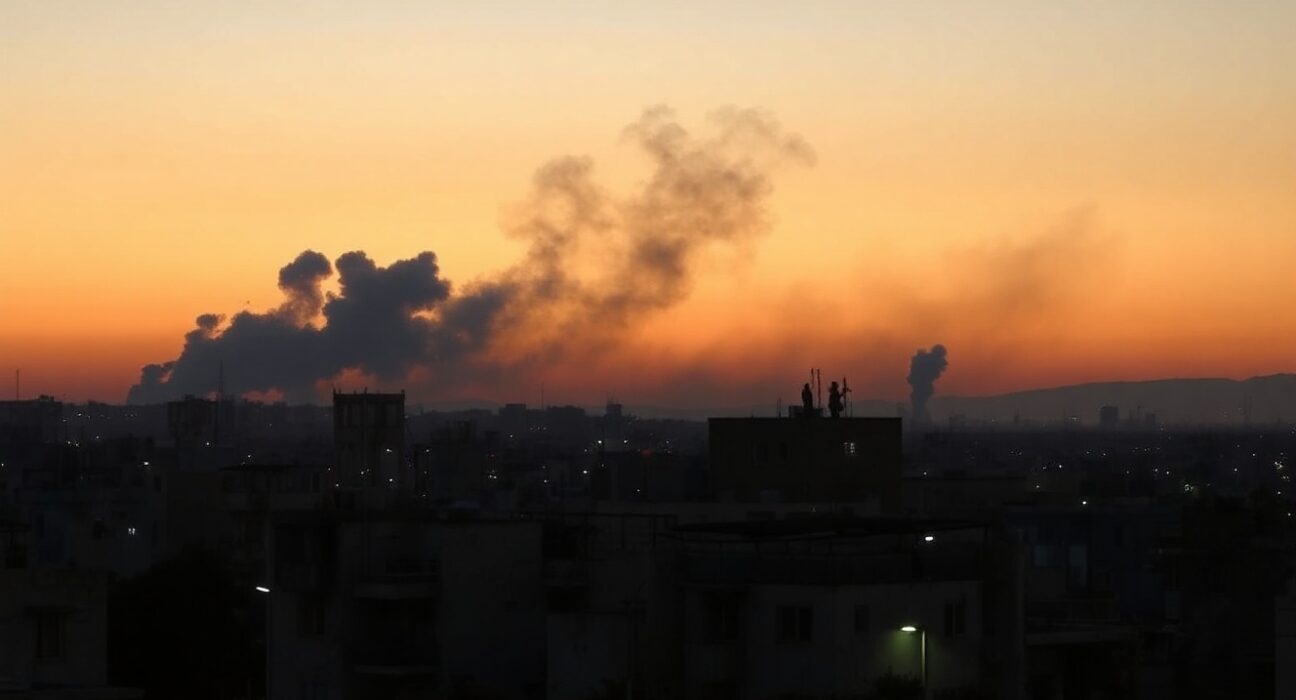
Israel launched a series of airstrikes on targets in Lebanon on [date], escalating regional tensions, while the United States is preparing to impose fresh sanctions on Iran, according to official statements. The strikes mark a significant intensification of cross-border hostilities, with the Israeli military citing immediate threats from militant positions near its northern border.
What Led to the Israeli Strikes?
The Israeli military said the strikes targeted infrastructure and operational sites used by Iranian-backed groups, including Hezbollah, in southern Lebanon. This follows months of sporadic exchanges along the Blue Line, a UN-marked demarcation line, and comes amid heightened fears of a broader conflict. The strikes were described as “precise and limited” in scope, aimed at degrading capabilities that could threaten Israeli communities.
Lebanese officials reported at least [number] casualties and significant damage to civilian areas, though independent verification remains difficult. The UN Interim Force in Lebanon (UNIFIL) called for restraint, warning that further escalation could undermine regional stability.
US Prepares New Iran Sanctions
In parallel, the Biden administration is finalizing a new sanctions package targeting Iran’s ballistic missile program and its network of regional proxies. According to sources familiar with the matter, the measures are designed to pressure Tehran economically while avoiding direct military confrontation. The sanctions are expected to be announced within days, following diplomatic consultations with European allies.
This move comes as the US seeks to balance deterrence with de-escalation, particularly after recent attacks on American forces in the region. Analysts suggest that the sanctions aim to limit Iran’s financial resources, which support groups like Hezbollah and Hamas, thereby reducing their capacity to engage in prolonged conflicts.
Implications for Regional Stability
The confluence of Israeli military action and US sanctions signals a coordinated approach to counter Iranian influence. However, experts warn that such measures could provoke retaliatory responses, potentially leading to a wider war. The situation remains fluid, with diplomatic efforts underway to prevent further escalation, including emergency meetings of the UN Security Council.
For Lebanon, already grappling with a severe economic crisis, the strikes exacerbate an already fragile situation. For the region, the risk of miscalculation is high, as multiple actors with divergent interests operate in a crowded battlefield.
Conclusion
As of [date], the situation remains tense, with Israel vowing to continue operations as needed, Lebanon calling for international intervention, and the US advancing its sanctions strategy. The coming days will be critical in determining whether this escalation spirals into a broader conflict or is contained through diplomatic channels. Readers should monitor official statements from all parties for the latest developments.
FAQs
Q1: Why did Israel strike Lebanon?
Israel said the strikes targeted Iranian-backed militant infrastructure, specifically Hezbollah positions, in response to perceived threats along its northern border. The operation was framed as a defensive measure to prevent attacks on Israeli territory.
Q2: What are the new US sanctions on Iran?
The sanctions are aimed at Iran’s ballistic missile program and its support for regional proxies. They are designed to economically pressure Tehran without direct military engagement, following diplomatic consultations with allies.
Q3: How could this affect regional stability?
The escalation increases the risk of a broader conflict, but diplomatic efforts are ongoing. The strikes and sanctions could provoke retaliation, while Lebanon’s fragile state makes it particularly vulnerable to further instability.
Disclaimer: The information provided is not trading advice, Bitcoinworld.co.in holds no liability for any investments made based on the information provided on this page. We strongly recommend independent research and/or consultation with a qualified professional before making any investment decisions.
