

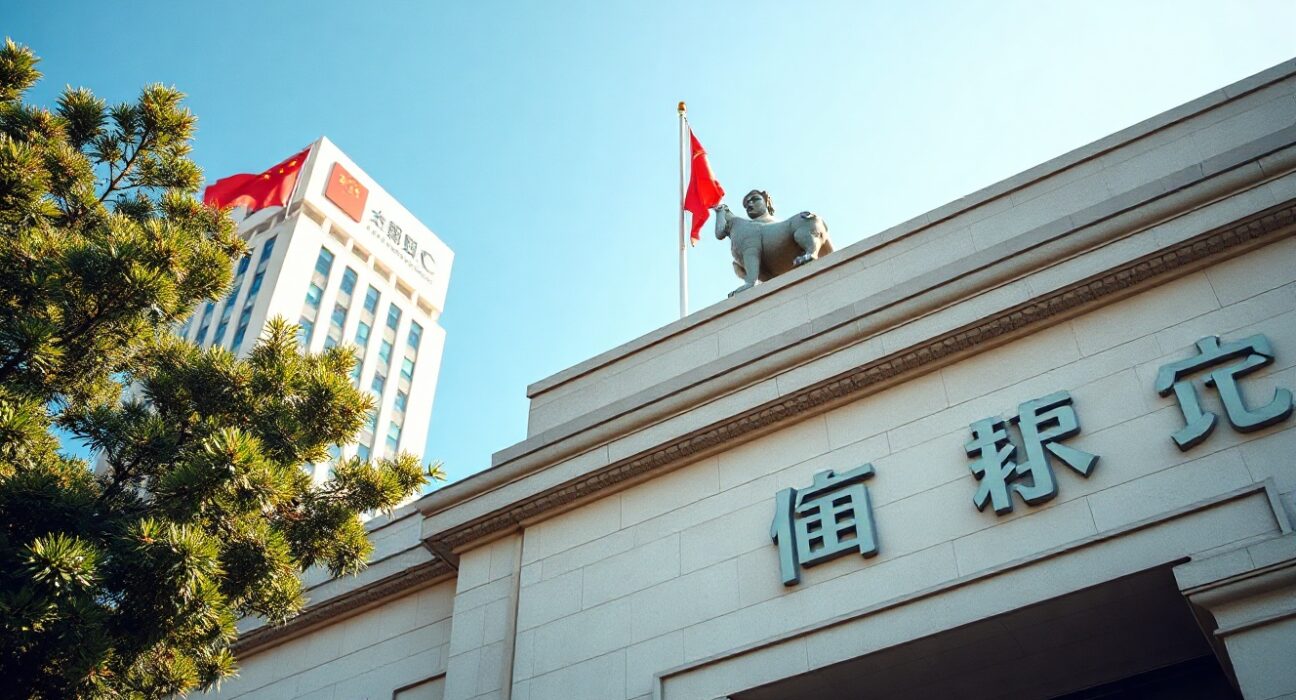
The People’s Bank of China (PBOC) set the USD/CNY central parity rate at 6.7873 on Thursday, marginally stronger than the previous fix of 6.7878, signaling continued stability in the yuan’s official guidance rate.
What Does the PBOC’s Daily Fixing Indicate?
The central parity rate, also known as the reference rate, is the daily midpoint that the PBOC sets for the yuan’s trading against the U.S. dollar. It serves as a key signal of the central bank’s policy stance on the currency. A slightly stronger fixing suggests the PBOC is comfortable with the yuan’s current level and aims to maintain orderly market conditions.
Under China’s managed floating exchange rate regime, the yuan is allowed to move within a band of plus or minus 2% from the daily midpoint. The fixing is calculated based on a basket of currencies and market supply and demand, but it also reflects the PBOC’s policy intentions.
Market Context and Implications
The marginal change of 0.0005 in the fixing is minimal, indicating that the PBOC is neither aggressively pushing the yuan stronger nor allowing it to weaken significantly. This stability comes amid global currency market fluctuations driven by U.S. interest rate expectations and China’s economic recovery trajectory.
For traders and businesses engaged in Sino-U.S. trade, the reference rate provides a benchmark for pricing and risk management. A stable yuan reduces uncertainty for exporters and importers, supporting trade flows. Moreover, the fixing’s stability aligns with China’s broader goal of maintaining financial stability while gradually internationalizing the yuan.
Why This Matters to Global Markets
The USD/CNY parity rate is closely watched by global investors because China is the world’s second-largest economy and a major trading partner for many countries. Changes in the yuan’s value can influence competitiveness of Chinese exports, impact commodity prices, and affect multinational corporations’ earnings. A stable fixing helps anchor market expectations and reduces the risk of speculative attacks on the currency.
Conclusion
The PBOC’s latest reference rate at 6.7873 reflects a steady hand in currency management. While the change from the previous day is small, it underscores the central bank’s commitment to stability in the foreign exchange market. Market participants will continue to monitor upcoming economic data and PBOC signals for further direction.
FAQs
Q1: What is the PBOC’s central parity rate?
The central parity rate is the daily midpoint reference set by the People’s Bank of China for the yuan’s trading against the U.S. dollar. It guides the currency’s trading band and reflects policy intentions.
Q2: How does the fixing affect businesses?
The fixing affects the exchange rate at which businesses can convert currencies, influencing trade costs, pricing strategies, and hedging decisions for companies operating between China and the U.S.
Q3: Why is the change in the fixing so small?
The small change indicates that the PBOC is maintaining a stable currency policy, avoiding large fluctuations that could unsettle markets. It reflects a balance between market forces and policy objectives.
Disclaimer: The information provided is not trading advice, Bitcoinworld.co.in holds no liability for any investments made based on the information provided on this page. We strongly recommend independent research and/or consultation with a qualified professional before making any investment decisions.
