

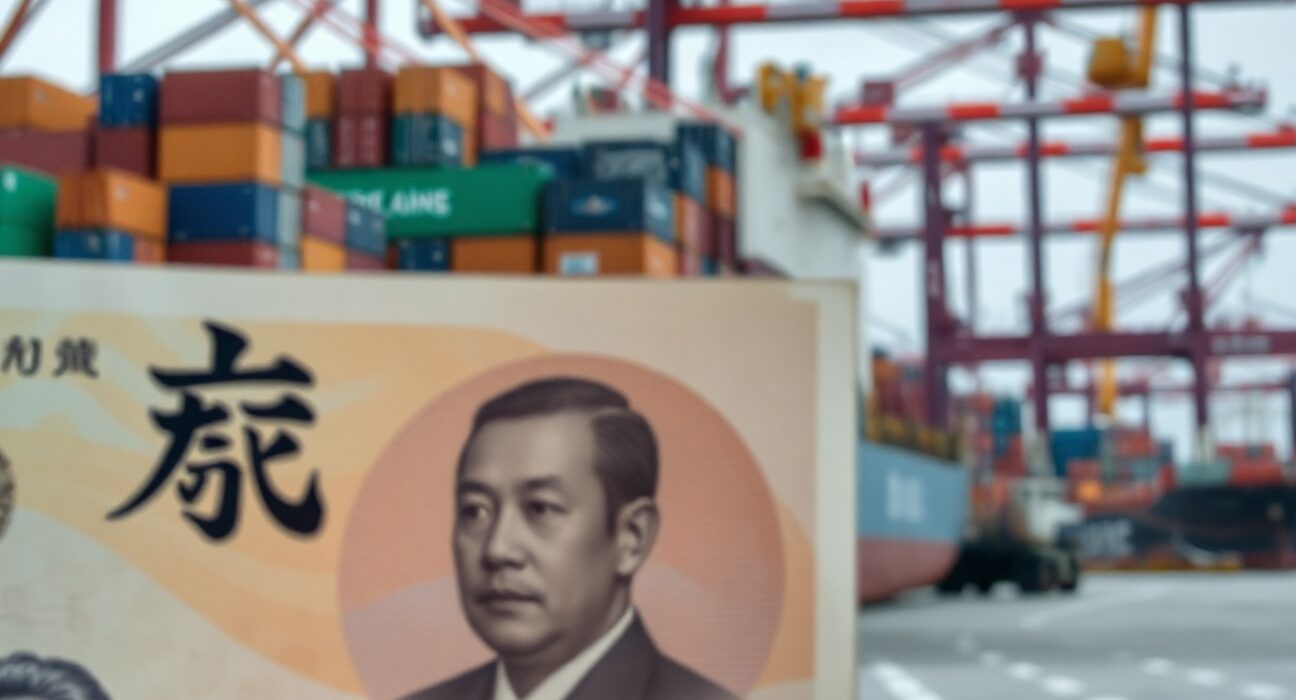
The Japanese yen is losing ground against its own import bill, as the currency’s depreciation fails to keep pace with the surging cost of foreign goods and energy, exacerbating trade deficits and fueling domestic inflation.
Why the Yen’s Decline Is Tied to Import Costs
The yen’s value has fallen significantly against major currencies over the past year, driven by divergent monetary policies between the Bank of Japan and other central banks, particularly the U.S. Federal Reserve. While a weaker yen traditionally boosts export competitiveness, Japan’s heavy reliance on imported energy, raw materials, and food means that the currency’s slide directly inflates the cost of essential imports. As of late 2025, Japan’s trade balance has swung into a deficit, with the import bill growing faster than export revenues, a trend that economists say is structurally challenging.
Impact on Households and Businesses
For Japanese households, the weaker yen translates into higher prices for everyday goods, from bread to gasoline, squeezing real incomes. Small and medium-sized enterprises that depend on imported inputs face thinner margins, and some have begun passing costs to consumers, adding to inflationary pressures that the Bank of Japan has been slow to address. The government has introduced subsidies to cushion energy costs, but these are temporary measures that do not resolve the underlying currency-import dynamic.
What This Means for the Broader Economy
The yen’s depreciation against its import bill is not just a currency story—it reflects a deeper economic imbalance. Japan’s aging population and shrinking domestic market limit growth potential, while its energy dependence remains a structural vulnerability. Policymakers face a delicate trade-off: allowing the yen to weaken to support exports risks stoking inflation, while intervening to strengthen the yen could hurt competitiveness. The Bank of Japan’s yield curve control policy has come under renewed scrutiny, with some analysts calling for a shift toward normalization to stabilize the currency.
Conclusion
The yen’s slide against its own import bill underscores a critical challenge for Japan’s economy. As import costs outpace currency gains, the nation faces a widening trade deficit and persistent inflationary pressure. The path forward requires a careful balance of monetary policy, fiscal support, and structural reforms to address long-term vulnerabilities.
FAQs
Q1: Why is the yen weakening against imports?
The yen’s depreciation is driven by interest rate differentials, but its impact on imports is amplified because Japan imports a large share of its energy and raw materials, making the country highly sensitive to currency swings.
Q2: How does a weaker yen affect Japanese consumers?
A weaker yen raises the cost of imported goods, leading to higher prices for essentials like food and fuel, which reduces purchasing power and can dampen consumer spending.
Q3: What can the Bank of Japan do to address this?
The Bank of Japan could adjust its monetary policy, such as modifying yield curve control, to support the yen, but such moves carry risks for economic growth and government debt servicing.
Disclaimer: The information provided is not trading advice, Bitcoinworld.co.in holds no liability for any investments made based on the information provided on this page. We strongly recommend independent research and/or consultation with a qualified professional before making any investment decisions.
