

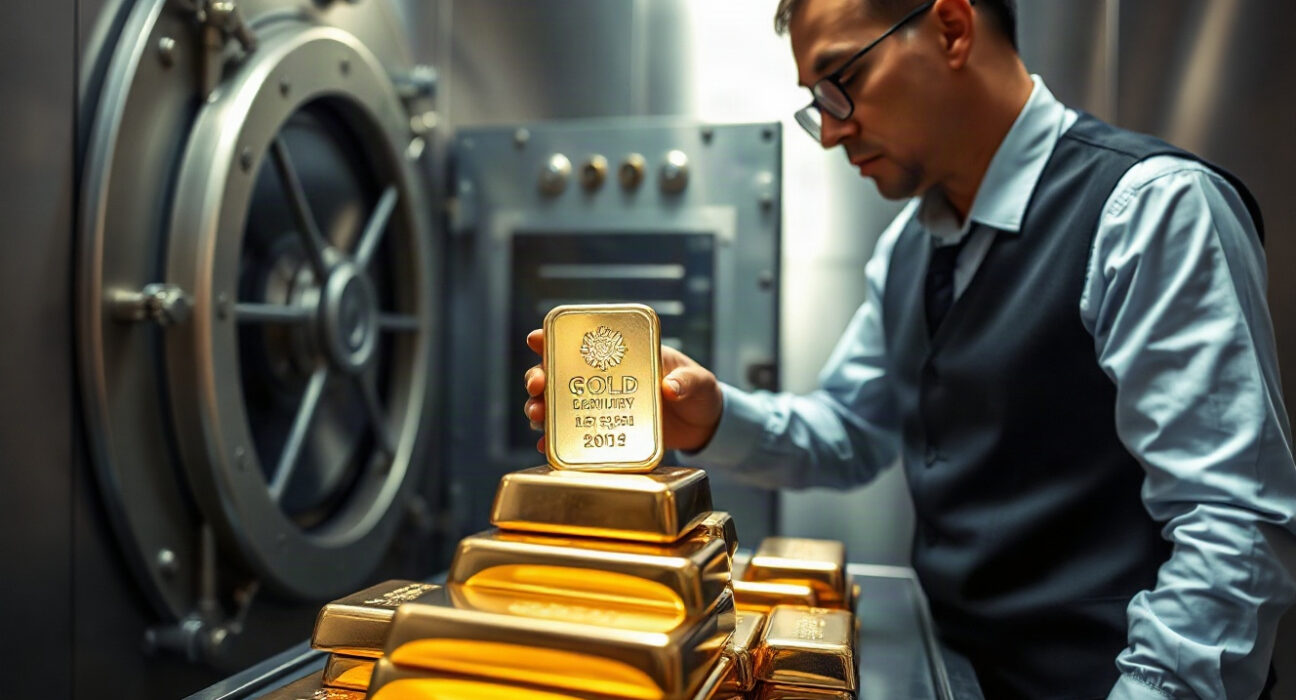
Central banks around the world have been accumulating gold at an unprecedented rate, with 2024 marking the second-highest year of net purchases on record. This sustained demand reflects a strategic shift among monetary authorities seeking to diversify reserves, hedge against geopolitical risk, and reduce reliance on traditional reserve currencies. As of late 2025, the trend shows no signs of slowing, raising important questions about the future of global finance.
Why are central banks diversifying away from the US dollar?
One of the primary motivations behind the gold-buying spree is the desire to reduce dependence on the US dollar. In recent years, the use of financial sanctions has prompted many countries, particularly emerging economies, to reassess their reserve holdings. Gold offers a neutral, universally accepted store of value that is not subject to the monetary policy decisions of any single nation. For example, central banks in China, India, and Turkey have been among the most active buyers, reflecting a broader trend toward de-dollarization.
How does gold serve as a hedge against inflation and economic uncertainty?
Gold has historically been viewed as a reliable hedge against inflation and currency depreciation. When central banks engage in expansive monetary policies, such as quantitative easing, the real value of fiat currencies can erode over time. Gold, by contrast, has maintained its purchasing power over centuries. As inflationary pressures persist in various parts of the world, central banks are increasing their gold allocations to protect their balance sheets from potential currency devaluation.
Geopolitical tensions and the role of gold as a safe haven
In an era of heightened geopolitical tensions, gold’s status as a safe-haven asset becomes particularly valuable. Conflicts, trade disputes, and diplomatic confrontations can create volatility in financial markets and undermine confidence in certain currencies. Gold is a tangible asset that is not tied to any particular government or political system, making it an attractive option for central banks seeking stability in uncertain times. The recent surge in gold purchases coincides with periods of significant geopolitical stress, underscoring its role as a defensive asset.
What does the surge in gold purchases mean for global financial stability?
The accumulation of gold by central banks has broader implications for the global financial system. It signals a gradual shift away from a dollar-centric world order and could lead to increased volatility in currency markets. However, it also highlights the need for more diversified and resilient reserve frameworks. For investors, this trend is a strong indicator of gold’s enduring value and its potential to perform well in a diversified portfolio. As central banks continue to buy, the price of gold is likely to remain supported, but the long-term effects on monetary policy and international trade remain to be seen.
Conclusion
Central banks are buying gold at a record pace due to a combination of factors: the desire to reduce dollar dependence, the need to hedge against inflation, the search for safe-haven assets amid geopolitical tensions, and the strategic diversification of reserves. This trend is reshaping the global monetary landscape and underscores gold’s unique role as a store of value. For market observers and investors, understanding these drivers is essential to navigating the evolving financial environment.
FAQs
Q1: Why are central banks buying more gold now?
Central banks are increasing gold purchases to diversify reserves, hedge against inflation, and reduce reliance on the US dollar, especially amid geopolitical uncertainties and financial sanctions.
Q2: Does the gold buying trend affect retail investors?
Yes, central bank demand supports gold prices and signals confidence in gold as a long-term store of value, which can influence investment decisions and market sentiment.
Q3: Which countries are leading the gold purchases?
Emerging market economies such as China, India, Turkey, and several others have been prominent buyers, though central banks from various regions have also participated in the trend.
Disclaimer: The information provided is not trading advice, Bitcoinworld.co.in holds no liability for any investments made based on the information provided on this page. We strongly recommend independent research and/or consultation with a qualified professional before making any investment decisions.
