

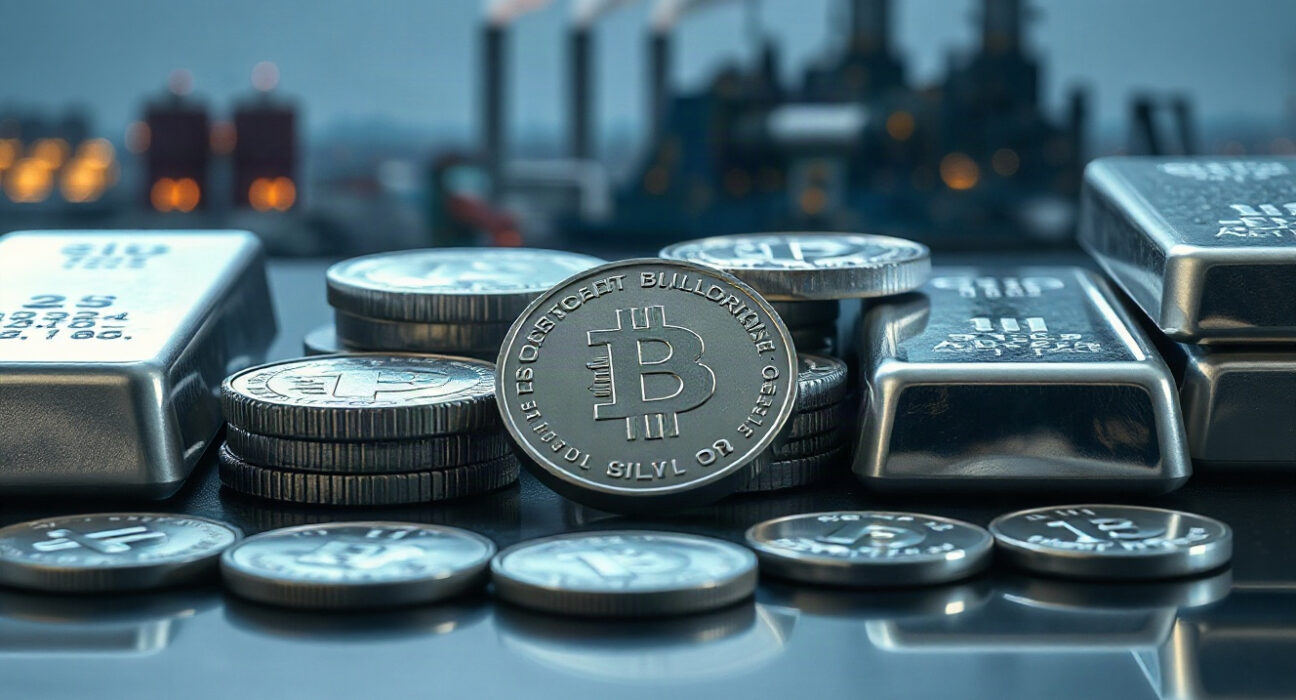
Silver prices extended their decline toward $63 per ounce on [date], as persistent energy supply risks continued to weigh on the precious metals market. The XAG/USD pair slipped for a second consecutive session, reflecting investor caution over global energy security and its potential impact on industrial demand.
Why Silver Is Under Pressure
Energy supply risks, particularly in Europe and parts of Asia, have raised concerns about a slowdown in manufacturing activity, which directly affects silver’s industrial demand. Unlike gold, silver has significant industrial uses in electronics, solar panels, and automotive components, making it more sensitive to economic cycles.
As of [date], spot silver was trading near $63, down from recent highs, as market participants reassessed the outlook for global growth. The ongoing energy crisis has led to higher production costs for industrial users, potentially curbing consumption of silver in key sectors.
Technical Levels to Watch
From a technical perspective, XAG/USD is testing a critical support zone around $63. A break below this level could open the door to further downside toward the $60 psychological mark. On the upside, resistance is seen near $65, followed by the $67 level, which previously acted as a pivot point.
Traders are closely monitoring these levels, as a sustained move below $63 could signal a deeper correction, while a rebound above $65 might indicate renewed buying interest.
Impact of Energy Costs on Silver Mining and Refining
Energy supply risks also affect the silver supply side. Mining and refining operations are energy-intensive, and rising energy costs can squeeze profit margins, potentially reducing output. However, any supply disruption may be offset by weaker industrial demand, keeping the price range-bound in the near term.
Broader Market Context
The precious metals complex has been influenced by a stronger U.S. dollar and rising Treasury yields, which typically pressure non-yielding assets like silver. Additionally, central bank policies, particularly the Federal Reserve’s stance on interest rates, remain a key driver for the metal’s direction.
Investors are also watching geopolitical developments and trade policies that could alter the energy landscape, adding another layer of uncertainty to the silver market.
Conclusion
Silver’s decline toward $63 reflects a combination of persistent energy supply risks, industrial demand concerns, and a firmer dollar. While the metal faces headwinds, its dual role as an industrial and monetary asset provides some support. Traders should monitor key technical levels and broader energy market developments for further direction.
FAQs
Q1: Why is silver falling despite energy supply risks?
Energy supply risks can hurt industrial demand for silver, as higher energy costs may slow manufacturing activity. This demand-side concern often outweighs supply-side disruptions, leading to price declines.
Q2: What is the key support level for XAG/USD?
As of [date], the immediate support is around $63. A break below this level could expose the $60 mark, while resistance is seen at $65 and $67.
Q3: How does the U.S. dollar affect silver prices?
Silver is priced in U.S. dollars, so a stronger dollar makes it more expensive for foreign buyers, typically reducing demand and pressuring prices. Conversely, a weaker dollar often supports silver.
Disclaimer: The information provided is not trading advice, Bitcoinworld.co.in holds no liability for any investments made based on the information provided on this page. We strongly recommend independent research and/or consultation with a qualified professional before making any investment decisions.
