

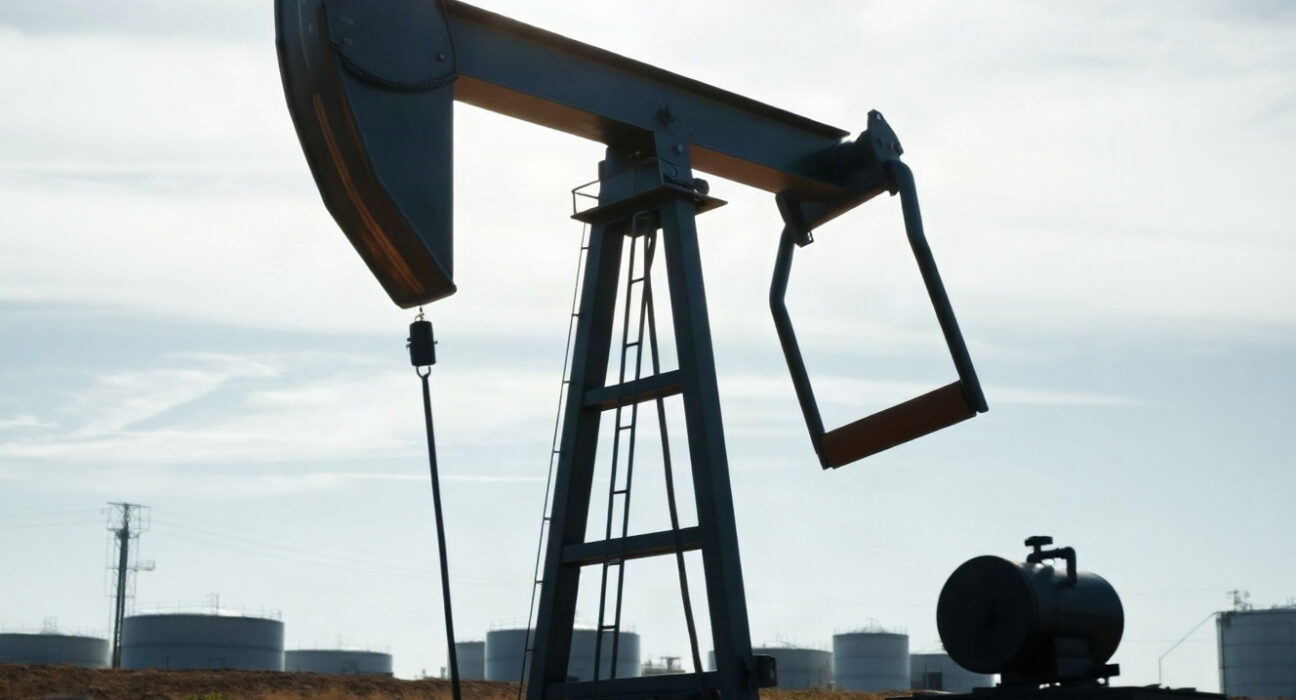
Oil prices are currently receiving support from a combination of declining crude inventories and a persistent geopolitical risk premium, according to a recent analysis by Dutch bank ING.
Market Drivers: Inventory Draws and Risk Premiums
ING strategists point to a tightening physical market as a key factor underpinning prices. Data indicates that commercial crude oil stockpiles have been drawing down, suggesting that supply is being absorbed by demand. This inventory draw provides a fundamental buffer against price drops, even as concerns about global economic growth and future demand persist.
Simultaneously, the market continues to factor in a risk premium due to ongoing geopolitical tensions in key producing regions. This premium reflects the potential for supply disruptions, adding a layer of support that is separate from physical market fundamentals. The combination of these two elements—real inventory declines and a notional risk premium—creates a price floor that is currently proving resilient.
Context and Market Sentiment
The analysis from ING arrives amid a period of mixed signals for the oil market. On one hand, production cuts from major exporters and robust consumption in certain sectors are drawing down inventories. On the other, macroeconomic headwinds, including persistent inflation and slower industrial activity in major economies, are capping upside potential.
This dynamic has led to a relatively rangebound trading pattern, with prices supported from below by the factors ING highlights, but struggling to break out to new highs without a stronger demand catalyst. The market remains sensitive to any new data on inventory levels or geopolitical developments, which could shift the balance quickly.
Implications for Investors and Consumers
For market participants, the ING analysis suggests that betting against a sharp decline in oil prices may be prudent in the near term, given the physical market tightness. The risk premium, however, is a volatile component that can evaporate quickly if geopolitical tensions ease, potentially leading to a swift price correction.
For consumers, the support to oil prices translates into continued pressure on fuel costs, although the rangebound nature of the market suggests that sharp spikes are not currently imminent. The key variable to watch remains the trajectory of global inventories, which will ultimately dictate the direction of prices over the coming weeks.
Conclusion
In summary, ING’s assessment points to a market that is currently being supported by tangible inventory draws and an intangible, yet significant, geopolitical risk premium. While demand-side uncertainties remain, these supply-side factors are providing a firm floor under oil prices for the time being.
FAQs
Q1: What is an inventory draw?
An inventory draw refers to a decrease in the total amount of a commodity, such as crude oil, held in storage. It typically indicates that demand is outpacing current production, which is often a price-supportive signal.
Q2: What is a geopolitical risk premium in oil markets?
It is the additional amount added to the price of oil to account for the risk of supply disruptions from politically unstable regions. This premium can increase or decrease based on the perceived level of threat to production or transport infrastructure.
Q3: How does ING’s analysis affect my view on oil prices?
ING’s analysis provides a framework for understanding current price support. It suggests that while there are factors like inventory draws and risk premiums preventing prices from falling, the lack of a strong demand catalyst may also prevent significant price increases, potentially leading to continued volatility.
Disclaimer: The information provided is not trading advice, Bitcoinworld.co.in holds no liability for any investments made based on the information provided on this page. We strongly recommend independent research and/or consultation with a qualified professional before making any investment decisions.
