

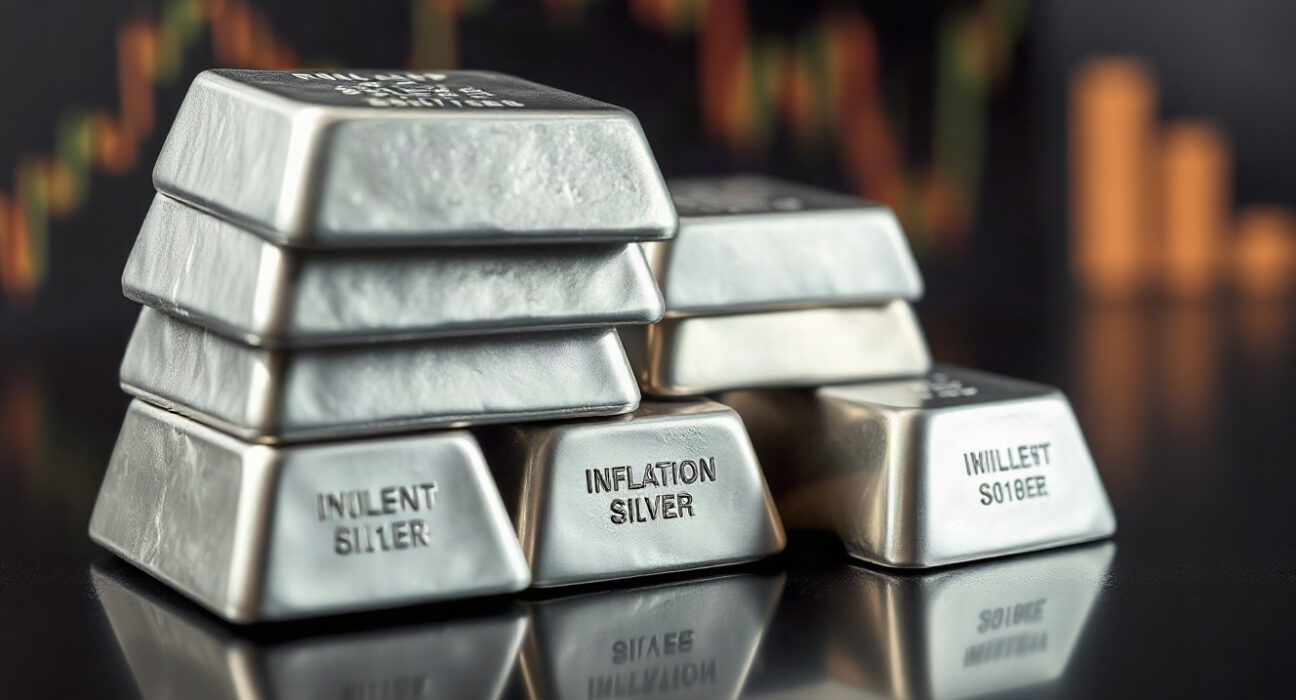
Silver prices have rebounded to $63 per ounce as of the latest trading session, yet persistent inflationary pressures are keeping many buyers cautious, limiting further upside momentum.
Price Recovery and Market Context
The rebound follows a period of volatility in the precious metals market, where silver had previously dipped from recent highs. The recovery to $63 marks a notable recovery from recent lows, driven by a mix of safe-haven demand and short-covering by traders. However, the broader economic environment, characterized by elevated inflation readings, is complicating the outlook for the metal.
Silver often acts as both an industrial metal and a store of value, which makes its price sensitive to shifts in inflation expectations and interest rate policies. While higher inflation typically supports precious metals as a hedge, it also raises the likelihood of central banks maintaining tighter monetary policy, which can strengthen the dollar and pressure metal prices.
Inflationary Pressures and Buyer Sentiment
The current inflationary environment is a double-edged sword for silver. On one hand, investors historically turn to silver and gold to protect purchasing power. On the other hand, persistent inflation forces central banks, particularly the U.S. Federal Reserve, to keep interest rates higher for longer. Higher rates increase the opportunity cost of holding non-yielding assets like silver, making some investors hesitant to increase their positions.
Market participants are closely watching upcoming inflation data and central bank signals. A clearer path on rate cuts could provide the catalyst silver needs to sustain its rebound, while another inflation surprise could trigger renewed selling pressure.
Why This Matters for Investors
For investors, the key takeaway is that silver’s price action remains heavily influenced by macroeconomic data. The metal’s dual role as an industrial input and a monetary asset means that both growth concerns and inflation trends will drive its direction. Those considering adding silver to their portfolios should weigh the potential benefits of inflation hedging against the risks of a stronger dollar and higher yields.
Conclusion
Silver’s rebound to $63 is a positive development for the precious metals sector, but it is not yet a clear signal of a sustained uptrend. Inflationary risks and central bank policy remain the dominant forces shaping market sentiment. Investors should monitor upcoming economic data and policy statements for clues on whether silver can hold its gains or if further volatility lies ahead.
FAQs
Q1: Why is silver price rising despite inflation concerns?
Silver is benefiting from safe-haven demand and short-covering, but inflation also raises the risk of tighter monetary policy, which can limit gains.
Q2: How does inflation affect silver prices?
Inflation can boost silver as a hedge, but it also prompts central banks to raise interest rates, increasing the opportunity cost of holding silver and potentially capping its price.
Q3: What should investors watch for in the silver market?
Investors should monitor inflation data, central bank policy signals, and industrial demand trends, as these factors will likely drive silver’s next major move.
Disclaimer: The information provided is not trading advice, Bitcoinworld.co.in holds no liability for any investments made based on the information provided on this page. We strongly recommend independent research and/or consultation with a qualified professional before making any investment decisions.
