

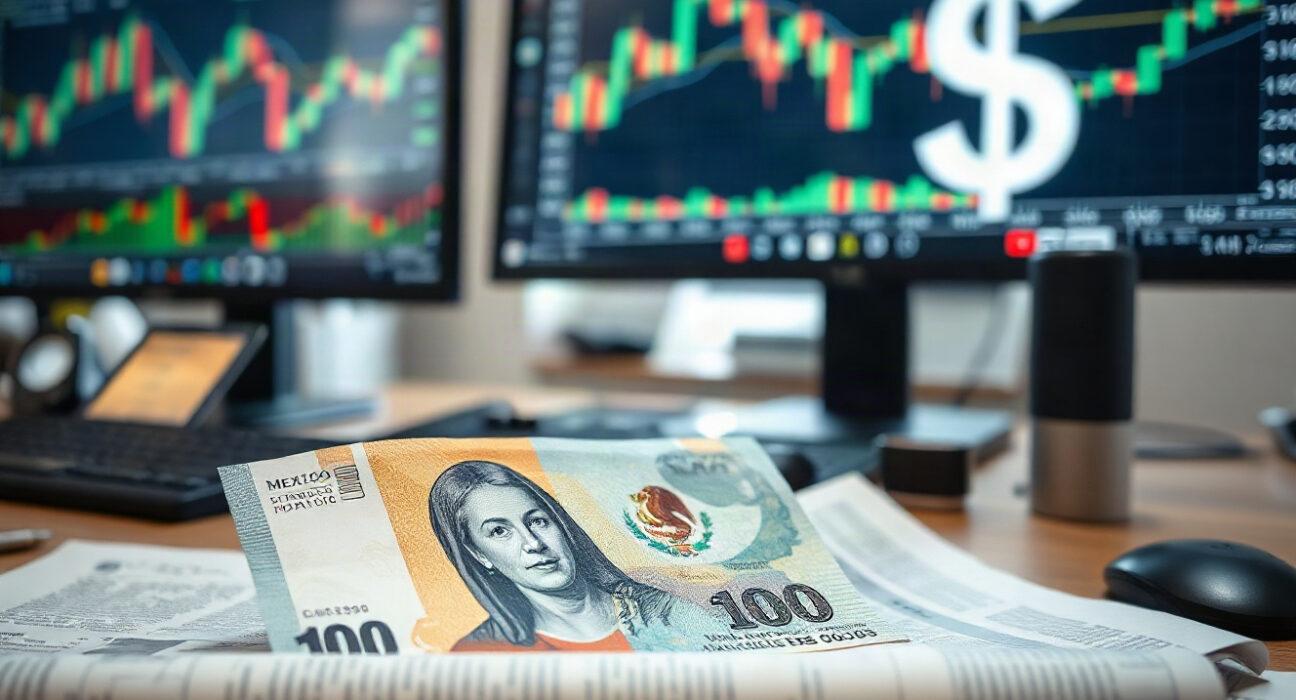
The Mexican peso rallied to a two-year high against the US dollar on [date], driven by the US Treasury’s announcement of a debt buyback program that weakened the greenback and boosted risk appetite among investors.
What triggered the peso’s rally?
The US Treasury’s decision to buy back outstanding debt, part of its regular debt management operations, signaled a potential reduction in the supply of long-dated Treasuries. This move pressured US yields and the dollar, making emerging-market currencies like the peso more attractive. As of the latest trading session, the peso strengthened past the 16.80 per dollar level, a level not seen since [specific date if known], reflecting renewed confidence in Mexico’s economic outlook.
Broader market implications
The peso’s surge is part of a broader trend of dollar weakness, which has been supported by expectations that the Federal Reserve may pause its rate hiking cycle. The US Treasury buyback, announced earlier this month, is designed to improve liquidity in the Treasury market but also has the side effect of easing financial conditions globally. For Mexico, a stronger peso helps curb imported inflation, potentially giving the Bank of Mexico more room to consider rate cuts later this year.
What this means for investors and businesses
For investors, the peso’s strength presents both opportunities and risks. Exporters in Mexico may face headwinds as their goods become more expensive abroad, while importers benefit from lower costs. Foreign investors holding peso-denominated assets have seen gains, but a rapid appreciation could also raise concerns about competitiveness. The rally also reflects Mexico’s solid macroeconomic fundamentals, including a stable current account and healthy remittance flows.
Conclusion
The Mexican peso’s climb to a two-year high underscores the interplay between US monetary policy and emerging-market currencies. While the US Treasury buyback provided the immediate catalyst, the peso’s resilience points to deeper investor confidence in Mexico’s economy. As global markets adjust, the peso’s trajectory will depend on further signals from the Federal Reserve and domestic economic data.
FAQs
Q1: What is a US Treasury buyback?
A US Treasury buyback is a program where the Treasury repurchases outstanding government bonds from the market, often to manage debt maturity and improve liquidity. This can affect bond prices and yields, influencing currency markets.
Q2: How does a stronger peso affect Mexican consumers?
A stronger peso lowers the cost of imported goods, which can help reduce inflation. This benefits consumers by making products like electronics and fuel cheaper, but it can hurt domestic exporters who receive less in local currency for their foreign sales.
Q3: Is the peso’s rally sustainable?
Analysts are cautious, noting that the rally is partly driven by short-term factors like the Treasury buyback. Sustained strength will depend on global risk sentiment, Federal Reserve policy, and Mexico’s own economic performance, including inflation and growth data.
Disclaimer: The information provided is not trading advice, Bitcoinworld.co.in holds no liability for any investments made based on the information provided on this page. We strongly recommend independent research and/or consultation with a qualified professional before making any investment decisions.
