

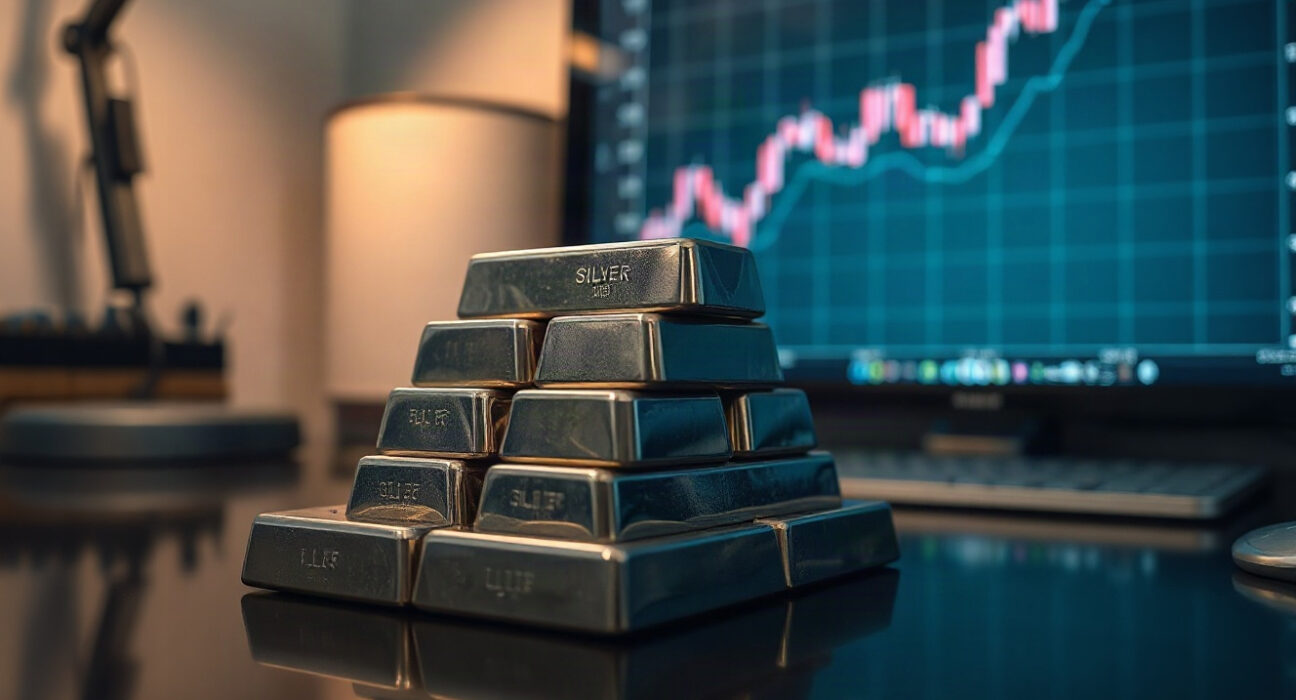
Silver prices rallied sharply on [date of publication] as the US Dollar weakened following the announcement of a new Treasury buyback program, boosting demand for precious metals as an alternative investment.
What Drove the Surge?
The Treasury’s buyback plan, designed to manage the federal debt’s maturity profile, led to a decline in the US Dollar Index, making dollar-denominated assets like silver more attractive to international buyers. As of [date], spot silver was trading at [price] per ounce, up [percentage]% on the day, marking its strongest single-day gain in [timeframe].
The move reflects broader market sentiment that the buyback could signal a more accommodative fiscal stance, potentially stoking inflation. Silver, often seen as a hedge against inflation and currency devaluation, benefited directly from these expectations.
Market Reactions and Context
The dollar’s slide was broad-based, with the euro and yen both gaining. Meanwhile, gold also rose, but silver’s industrial demand—particularly in electronics and solar panels—added an extra layer of support. Analysts note that silver’s dual role as both a precious and industrial metal makes it particularly sensitive to shifts in economic policy.
This is not the first time Treasury actions have influenced precious metals. Similar buyback programs in the past have led to short-term volatility, but the current scale and timing have caught many investors off guard. The move also comes amid ongoing geopolitical tensions and supply chain uncertainties, which further underpin silver’s appeal.
Why This Matters to Investors
For investors, the surge underscores the importance of diversifying portfolios with assets that can perform well when fiat currencies weaken. Silver’s relatively low price compared to gold makes it accessible to a broader range of investors, but it also carries higher volatility. Financial advisors suggest that while the current momentum could continue, it is essential to focus on long-term fundamentals rather than short-term price swings.
Conclusion
The Treasury buyback plan has provided a fresh catalyst for silver, highlighting the intricate relationship between fiscal policy, currency markets, and commodity prices. As the situation develops, market participants will closely monitor further policy announcements and economic data for clues on the sustainability of this rally. For now, silver’s surge serves as a reminder of the dynamic forces shaping global financial markets.
FAQs
Q1: Why did the Treasury buyback plan weaken the US Dollar?
The plan increased the supply of longer-dated Treasury securities, which investors interpreted as a sign of continued fiscal expansion. This led to selling pressure on the dollar as traders anticipated potential inflation and increased debt issuance.
Q2: How does a weaker dollar affect silver prices?
Since silver is priced in dollars, a weaker dollar makes it cheaper for foreign buyers, boosting demand. Additionally, a weaker dollar often signals inflationary pressures, prompting investors to seek safe-haven assets like silver.
Q3: Is silver a good investment right now?
Silver can be a volatile investment. While it may offer protection against inflation and currency devaluation, it is subject to industrial demand fluctuations and market speculation. Investors should consider their risk tolerance and consult with a financial advisor before making decisions.
Disclaimer: The information provided is not trading advice, Bitcoinworld.co.in holds no liability for any investments made based on the information provided on this page. We strongly recommend independent research and/or consultation with a qualified professional before making any investment decisions.
