

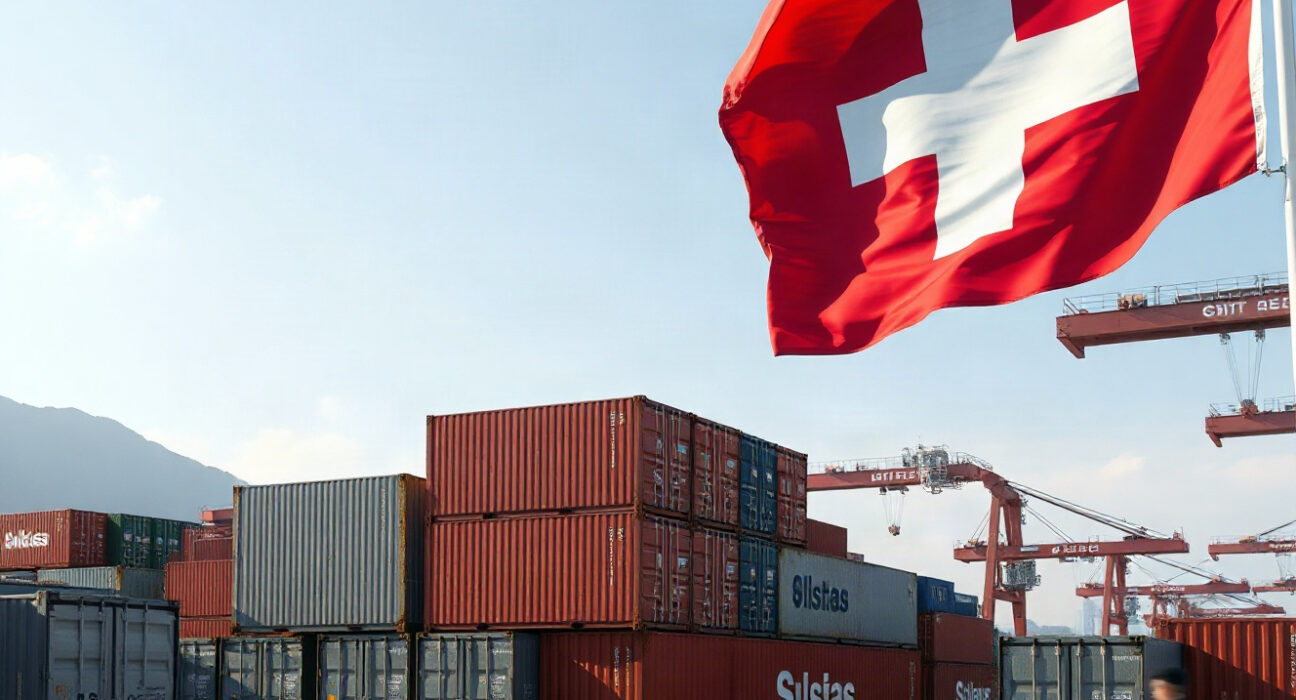
Switzerland’s imports fell to CHF 19,948 million in July, down from CHF 21,392 million in June, according to the latest monthly trade data. The decline, reported on a month-over-month basis, points to a slowdown in domestic demand and changing trade dynamics.
What the July Import Figure Means for the Swiss Economy
The drop in imports—a decrease of approximately 6.8% from the previous month—signals a potential cooling in consumer spending and industrial input demand. Imports are a key component of Switzerland’s open economy, reflecting both domestic consumption and the needs of its export-oriented manufacturing sector. A decline could indicate businesses are adjusting inventories or facing softer order books.
Context and Historical Comparison
Switzerland’s trade balance has been volatile in recent months, influenced by global supply chain shifts, currency fluctuations, and energy prices. The July figure is below the 12-month average of around CHF 20.5 billion, suggesting a more pronounced contraction than typical seasonal patterns. Analysts will watch the August data to see if this is a one-off adjustment or the start of a trend.
Why This Matters for Businesses and Policymakers
For Swiss manufacturers and retailers, lower imports may mean reduced input costs but also weaker consumer confidence. Policymakers at the Swiss National Bank may factor this into their assessments of economic momentum, especially as they balance inflation concerns with growth support. Import data also feeds into GDP calculations, so sustained declines could weigh on second-half growth forecasts.
Conclusion
Switzerland’s July import figure of CHF 19,948 million represents a notable monthly drop, reflecting softer demand conditions. While a single month does not define a trend, the data provides important signals for businesses and policymakers monitoring the health of the Swiss economy.
FAQs
Q1: What does ‘MoM’ mean in trade data?
MoM stands for month-over-month, comparing the current month’s figure to the previous month’s, here showing a decline from June to July.
Q2: How significant is a 6.8% monthly drop in imports?
A drop of that magnitude is notable and can indicate shifts in demand, but it’s important to look at longer-term trends to assess its economic impact.
Q3: Where can I find the full Swiss trade data?
The data is published by the Swiss Federal Customs Administration (FCA) and is available on their official website.
Disclaimer: The information provided is not trading advice, Bitcoinworld.co.in holds no liability for any investments made based on the information provided on this page. We strongly recommend independent research and/or consultation with a qualified professional before making any investment decisions.
