

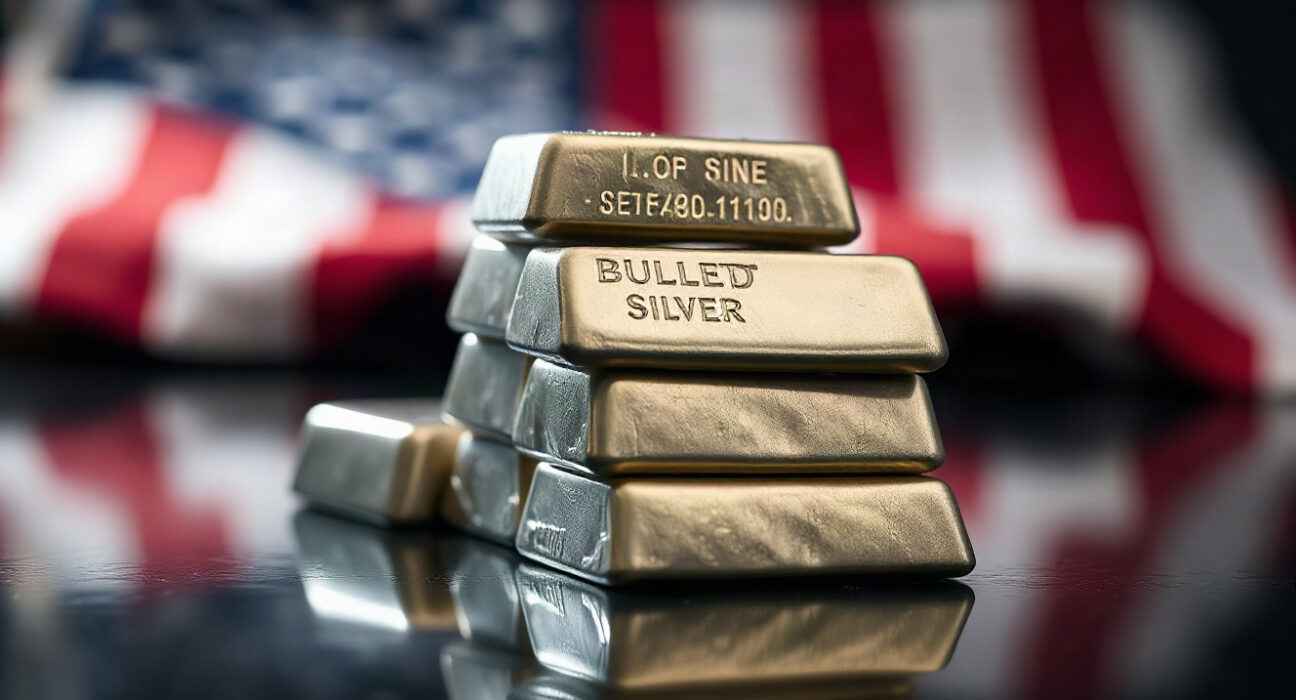
Silver (XAG/USD) is trading near $67 per ounce, maintaining a strong position as US Treasury buyback operations provide underlying support to precious metals markets. As of this analysis, the metal remains resilient despite broader market fluctuations, with traders focusing on the interplay between government debt management and investor demand for safe-haven assets.
Why Treasury Buybacks Matter for Silver
The US Treasury’s recent buyback program, aimed at managing the nation’s debt profile, has injected liquidity into financial markets. This move reduces the supply of longer-dated Treasuries, potentially lowering yields and diminishing the opportunity cost of holding non-yielding assets like silver. Consequently, the metal has found a solid footing near the $67 level, with buyers stepping in on dips.
Market participants view the Treasury’s actions as a supportive factor for precious metals, as they signal a continued accommodative stance on debt management. This has helped silver outperform some of its peers in the current session, even as the US dollar index shows mixed movement.
Technical Outlook for XAG/USD
From a technical perspective, silver’s ability to hold above the $67 mark is seen as a bullish signal. The metal has established a short-term support zone between $66.50 and $67.00, while resistance is noted near $68.20, a level that has capped gains in recent trading sessions. A sustained break above this resistance could open the path toward the $70 psychological level, which would mark a significant milestone for the bullion market.
However, traders remain cautious, as a failure to hold $67 could trigger a pullback toward the $65.80 support area. The overall trend, though, remains constructive, supported by robust physical demand and central bank buying trends observed over the past year.
What This Means for Investors
For investors, the current silver price dynamics offer a mix of opportunity and risk. The Treasury buyback program is a clear signal of government efforts to manage borrowing costs, which historically benefits precious metals. Yet, the market remains sensitive to shifts in Federal Reserve policy and inflation data, which could alter the trajectory of yields and, in turn, silver’s appeal.
Given the current support levels, many analysts see silver as a viable hedge against potential currency debasement and geopolitical uncertainty. The metal’s industrial applications, particularly in renewable energy and electronics, also provide a fundamental demand floor that adds to its investment case.
Conclusion
Silver’s resilience near $67, underpinned by US Treasury buybacks, reflects a complex interplay of fiscal policy, market sentiment, and industrial demand. While short-term volatility is likely, the metal’s technical and fundamental backdrop suggests that the current support level could hold, with the potential for further upside if key resistance levels are breached. As always, investors should monitor macroeconomic indicators and policy announcements for clearer directional cues.
FAQs
Q1: What are US Treasury buybacks and how do they affect silver prices?
US Treasury buybacks involve the government repurchasing its own bonds to manage debt maturity and liquidity. This can lower bond yields, reducing the opportunity cost of holding non-yielding assets like silver, which can boost demand and support prices.
Q2: Is $67 a strong support level for silver?
Yes, as of this analysis, $67 has acted as a solid support zone, with buyers consistently stepping in near this level. A break below could signal a deeper correction, but the current technical structure suggests the level is holding well.
Q3: What are the key resistance levels to watch for silver?
The immediate resistance is near $68.20, followed by the psychological $70 level. A sustained move above these could trigger further upside momentum, while failure to break them may lead to range-bound trading.
Disclaimer: The information provided is not trading advice, Bitcoinworld.co.in holds no liability for any investments made based on the information provided on this page. We strongly recommend independent research and/or consultation with a qualified professional before making any investment decisions.
