

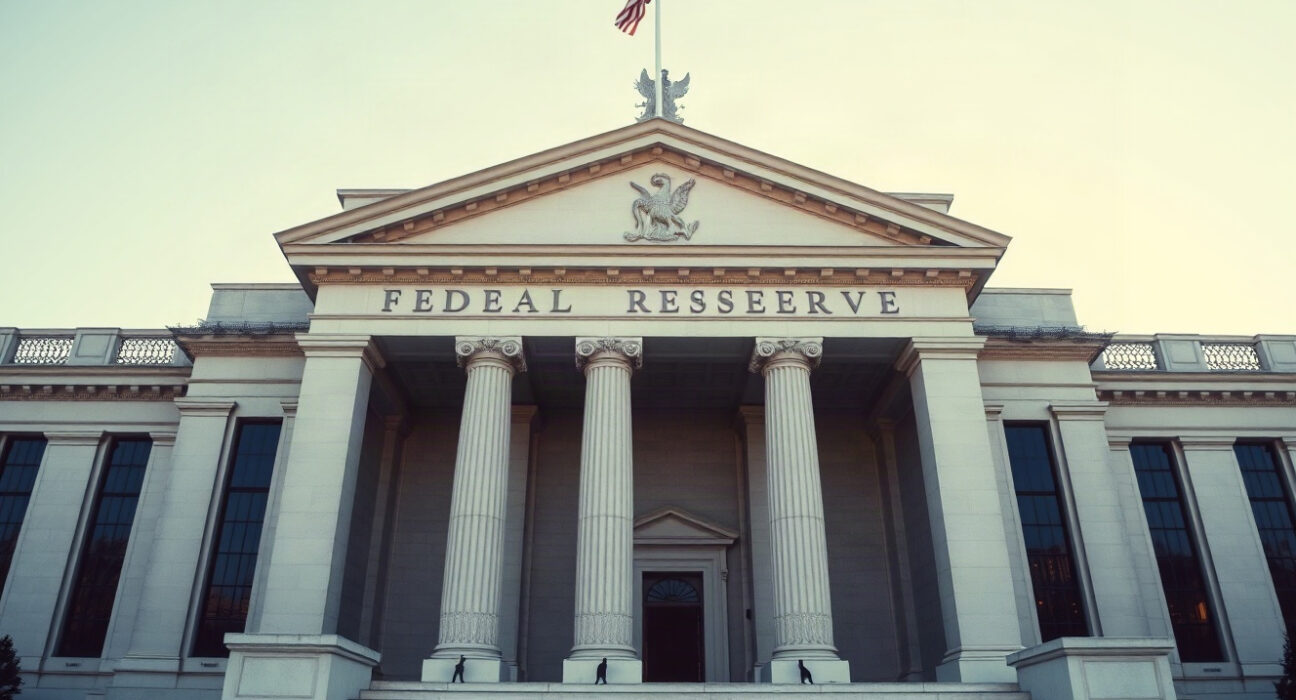
Federal Reserve Bank of St. Louis President Alberto Musalem said on [date] that raising interest rates now could forestall the need for more aggressive action later, signaling a hawkish stance amid ongoing inflation concerns.
Context and Rationale
Musalem’s comments come as the Fed navigates a delicate balance between curbing inflation and avoiding a recession. By front-loading rate hikes, the central bank aims to tighten financial conditions preemptively, potentially reducing the need for sharper increases in the future. This approach reflects a preference for measured, proactive policy adjustments over reactive, drastic measures.
Implications for Monetary Policy
If the Fed adopts this strategy, it could mean a series of gradual rate increases in the coming months, with a focus on data-dependent decisions. Musalem’s remarks align with a broader debate among policymakers about the pace and magnitude of tightening. Some officials advocate for a slower path to assess economic impacts, while others, like Musalem, emphasize the risks of delaying action.
Why It Matters
For businesses and consumers, higher interest rates translate to costlier borrowing for mortgages, auto loans, and corporate investments. This could cool economic activity and dampen inflation, but it also raises the risk of slowing growth. Understanding the Fed’s trajectory helps investors and households make informed financial decisions.
Conclusion
Musalem’s statement underscores the Fed’s commitment to price stability, even if it means short-term economic pain. As the central bank weighs its next moves, markets will closely watch for signals of further tightening. The ultimate goal remains a soft landing, where inflation is tamed without triggering a severe downturn.
FAQs
Q1: Who is Alberto Musalem?
Alberto Musalem is the President of the Federal Reserve Bank of St. Louis, a position he has held since [year]. He participates in the Federal Open Market Committee (FOMC) meetings, where monetary policy decisions are made.
Q2: What does ‘hiking rates now could save more aggressive action later’ mean?
It suggests that by implementing moderate interest rate increases earlier, the Fed might avoid having to implement larger, more disruptive hikes in the future if inflation persists. This proactive approach aims to manage inflation expectations and maintain economic stability.
Q3: How might this affect consumers?
Higher interest rates generally lead to increased borrowing costs for consumers, including higher rates on credit cards, auto loans, and mortgages. This can reduce disposable income and slow consumer spending, which in turn can help cool inflation but may also slow economic growth.
Disclaimer: The information provided is not trading advice, Bitcoinworld.co.in holds no liability for any investments made based on the information provided on this page. We strongly recommend independent research and/or consultation with a qualified professional before making any investment decisions.
