

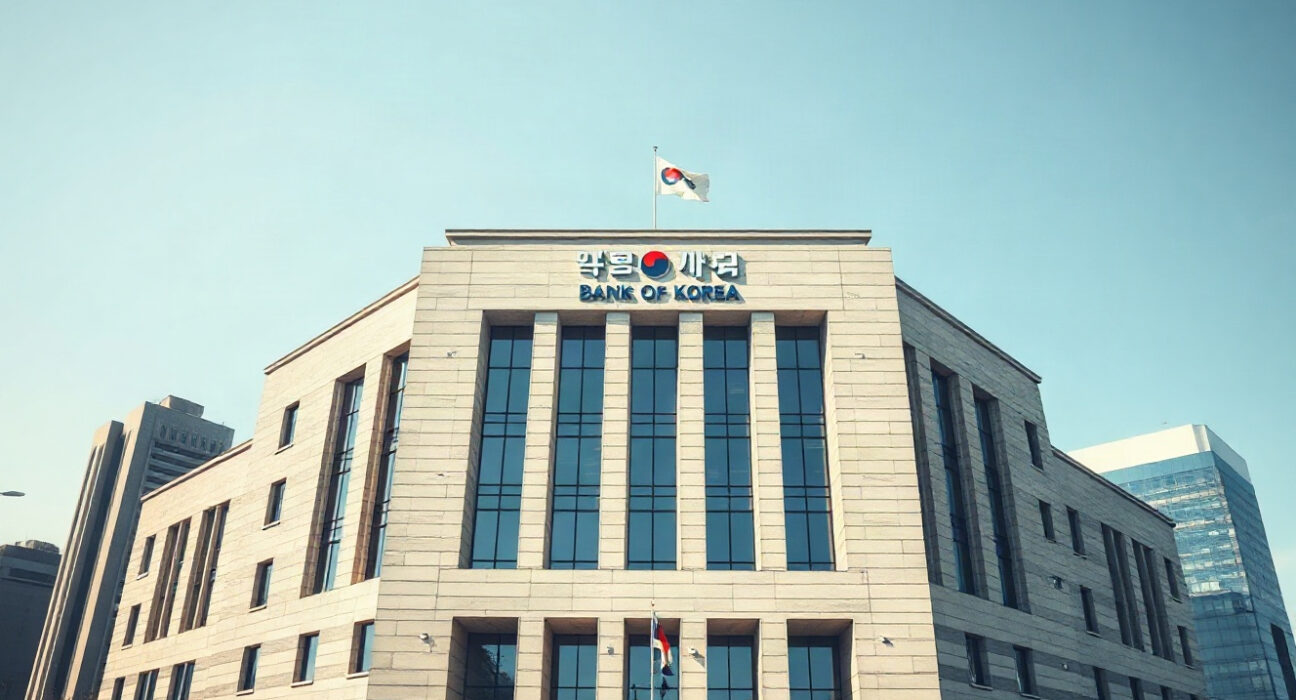
South Korea’s Producer Price Index (PPI) growth slowed to 7.7% year-on-year in July, down from a revised 8.6% in June, according to data released by the Bank of Korea. This marks the second consecutive month of easing producer inflation, suggesting that cost pressures at the wholesale level are beginning to moderate, though they remain elevated by historical standards.
What the July PPI Data Shows
The latest PPI reading, which measures the average change over time in the selling prices received by domestic producers for their output, reflects a broad-based slowdown across several sectors. Month-on-month, the index rose 0.2% in July, a significant deceleration from the 0.9% increase recorded in June. The annual rate, while still high, has now fallen from the recent peak of 9.2% in May, indicating a gradual easing of input cost pressures.
Key contributors to the slowdown include lower prices for agricultural products and a moderation in utility costs. However, prices for manufactured goods, particularly petroleum and chemical products, remained firm due to global energy market volatility. The data aligns with the Bank of Korea’s assessment that inflation is likely to peak in the third quarter, though risks remain from supply-side shocks and currency fluctuations.
Why the PPI Matters for the Economy and Consumers
The PPI is a leading indicator of consumer inflation, as changes in producer prices often pass through to retail prices over time. A sustained decline in PPI growth could signal that consumer price inflation, which stood at 6.3% in July, may also begin to ease in the coming months. This would provide some relief to households that have been grappling with the fastest cost-of-living increases in decades.
For businesses, the moderation in producer prices could ease margin pressures, particularly for manufacturers that have been unable to fully pass on higher input costs to consumers. However, the pace of easing is still modest, and many firms continue to face elevated costs for energy, raw materials, and logistics. The Bank of Korea has raised its benchmark interest rate several times this year to curb inflation, and the latest PPI data may influence future monetary policy decisions.
Impact on Monetary Policy and Financial Markets
Financial markets are closely watching the PPI trend as a gauge of future inflation dynamics. A slower pace of producer price growth could reduce the urgency for the Bank of Korea to implement further aggressive rate hikes, which have been a concern for debt-laden households and businesses. Bond yields and the Korean won have been sensitive to inflation data, and the July figures may help stabilize market expectations.
Still, analysts caution that the decline is from a very high base and that core producer prices, excluding food and energy, remain sticky. The central bank has signaled that it will maintain a tightening bias until inflation convincingly returns toward its target range of 2%. The next monetary policy meeting is scheduled for late August, and the PPI data will be a key input into that decision.
Conclusion
South Korea’s producer price inflation eased to 7.7% in July from 8.6% in June, marking a second straight monthly slowdown. While the moderation is a positive sign for the inflation outlook, pressures remain elevated, and the Bank of Korea is likely to continue its tightening cycle with caution. The data will be critical for policymakers, businesses, and consumers as they navigate a challenging global economic environment.
FAQs
Q1: What is the Producer Price Index (PPI)?
The Producer Price Index measures the average change over time in the selling prices received by domestic producers for their output. It is a key indicator of wholesale inflation and often leads consumer price changes.
Q2: Why did the PPI decline in July?
The decline was driven by moderating prices for agricultural products and utility costs, partially offset by persistent increases in petroleum and chemical product prices due to global energy market conditions.
Q3: How does the PPI affect consumers?
Changes in producer prices are often passed through to consumers. A slowdown in PPI growth may indicate that consumer price inflation could ease in the coming months, potentially reducing the cost-of-living burden.
Disclaimer: The information provided is not trading advice, Bitcoinworld.co.in holds no liability for any investments made based on the information provided on this page. We strongly recommend independent research and/or consultation with a qualified professional before making any investment decisions.
