

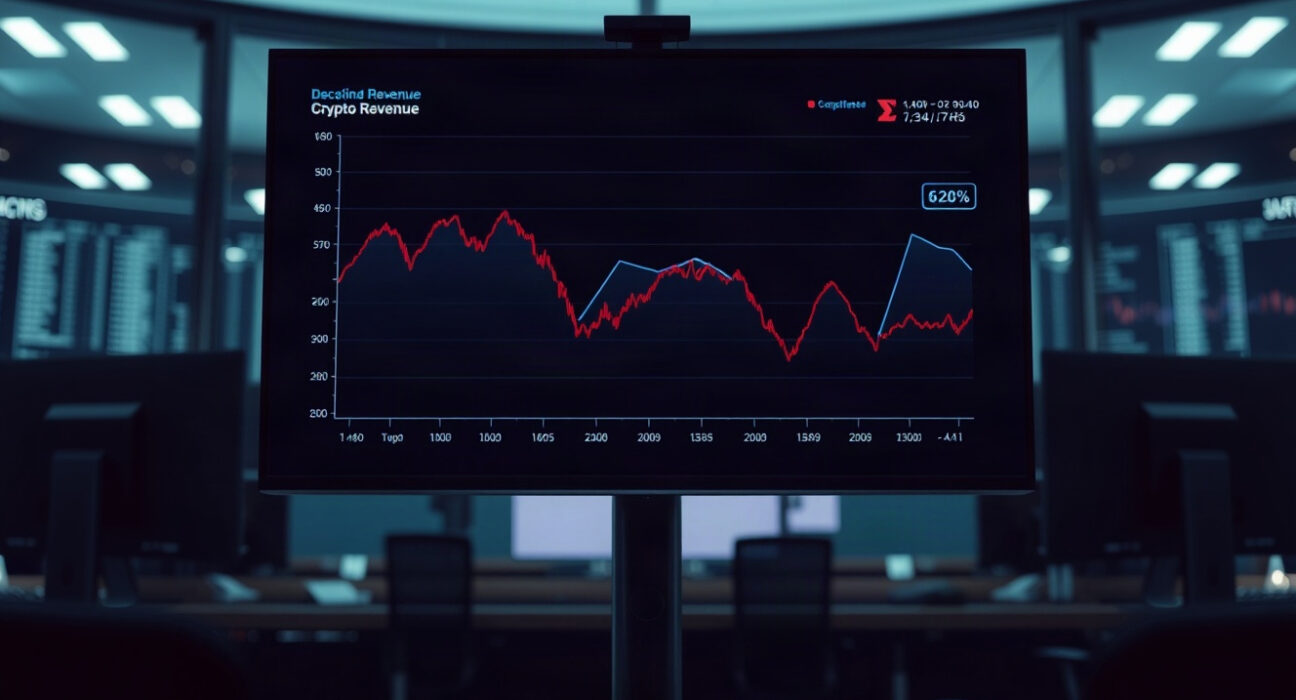
Solana’s network fee revenue fell to approximately $50 million in the second quarter of 2025, a 44% decline from the previous quarter, according to data from Unfolded. This marks a significant slowdown from the network’s peak performance, when quarterly fee revenue reached around $900 million between Q4 2024 and Q1 2025.
Drivers Behind the Revenue Decline
The sharp drop is largely attributed to cooling activity in the memecoin trading sector, which had been a primary driver of network usage and fee generation during the earlier period. As speculative interest waned, both base fees and priority fees decreased. Additionally, Jito (JTO) MEV tips—payments made to validators for transaction ordering—saw a notable reduction, further contributing to the overall decline in network revenue.
This trend reflects a broader normalization in the crypto market after an exceptionally active period. During the peak, Solana benefited from a surge in retail participation and high-frequency trading of memecoins, which generated substantial fee revenue. The current slowdown suggests a return to more sustainable, albeit lower, activity levels.
Implications for Solana’s Ecosystem
The revenue decline raises questions about Solana’s long-term economic sustainability, particularly its reliance on speculative trading activity. While the network has expanded into other areas like DeFi and NFTs, memecoins have been a significant source of transaction volume. The reduction in MEV tips also impacts validator earnings, which could affect network security and decentralization if not offset by other revenue streams.
However, the drop in fees may also be seen as a healthy correction, as it reduces network congestion and lowers transaction costs for legitimate users. This could attract more serious developers and enterprises looking for a scalable blockchain without the volatility of memecoin-driven spikes.
What This Means for Investors and Users
For investors, the revenue decline signals a need to reassess Solana’s valuation models, which often factor in network fee growth. For users, the lower fees may improve the overall experience, making the network more accessible for everyday transactions. The key will be whether Solana can diversify its use cases to maintain steady revenue without relying on speculative trends.
Conclusion
Solana’s Q2 fee revenue decline underscores the cyclical nature of crypto markets and the risks of over-reliance on a single activity like memecoin trading. While the network remains a major player in the blockchain space, its future growth depends on fostering a more balanced and sustainable ecosystem. As the market evolves, Solana’s ability to adapt will be critical to its long-term success.
FAQs
Q1: What caused Solana’s network fee revenue to drop in Q2?
The decline is primarily due to reduced memecoin trading activity, which led to lower base and priority fees, as well as a decrease in Jito MEV tips.
Q2: How does this affect Solana’s validators?
Validators earn less from MEV tips and transaction fees, which could impact their income. However, lower network congestion may reduce operational costs and attract more legitimate usage.
Q3: Is Solana still a viable blockchain network?
Yes, despite the revenue dip, Solana remains a high-performance blockchain with strong technical capabilities. The challenge is to diversify revenue sources beyond speculative trading to ensure long-term sustainability.
Disclaimer: The information provided is not trading advice, Bitcoinworld.co.in holds no liability for any investments made based on the information provided on this page. We strongly recommend independent research and/or consultation with a qualified professional before making any investment decisions.
