

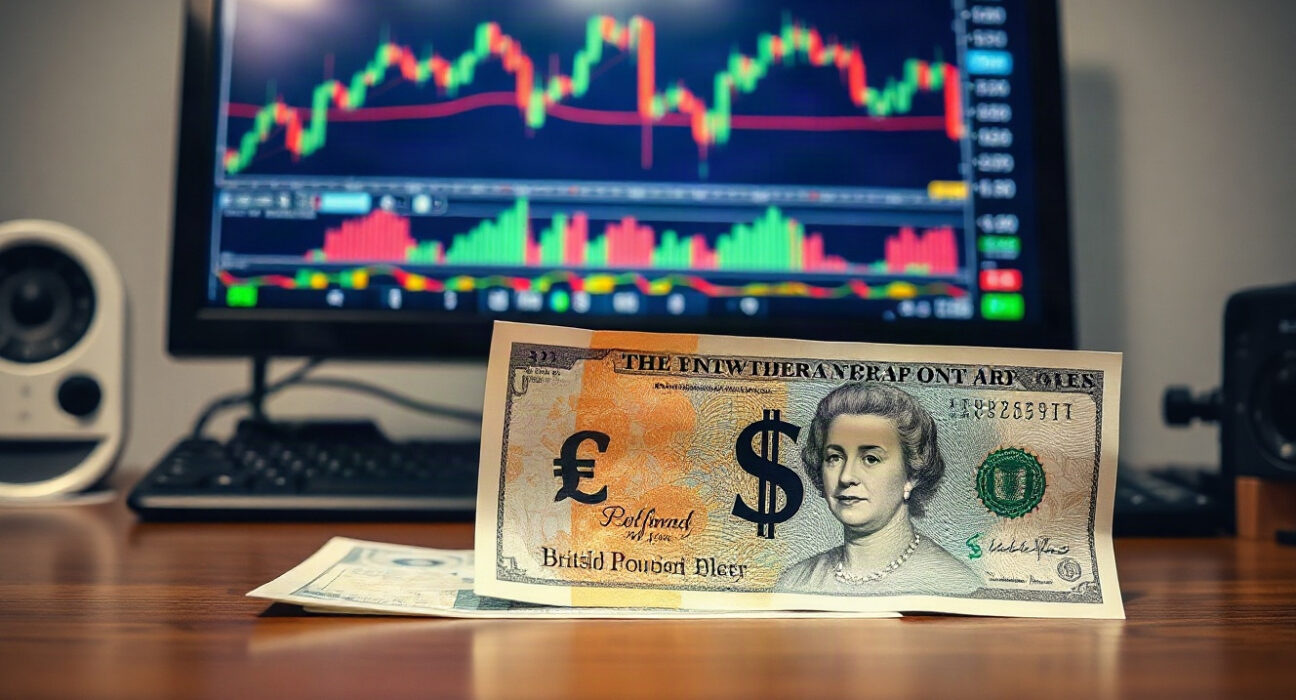
The British pound remained broadly steady against the US dollar on [Date], as a US Treasury buyback operation kept the greenback soft, providing support for GBP/USD. The pair traded within a narrow range, reflecting cautious market sentiment as investors weighed the implications of the Federal Reserve’s policy stance and ongoing economic data releases.
Market Drivers: Treasury Buyback and Dollar Softness
The US Treasury’s recent buyback program, part of its debt management strategy, has been a key factor in keeping the dollar under pressure. By repurchasing outstanding securities, the Treasury aims to improve liquidity in the bond market, which can indirectly influence currency valuations. As of [Date], the dollar index was down [X]% against a basket of major currencies, providing a tailwind for sterling.
Sterling’s resilience also reflects domestic factors, including the Bank of England’s cautious approach to monetary policy. While the BoE has signaled a pause in its rate-hiking cycle, expectations of future cuts have been tempered by sticky inflation data. This has helped the pound maintain its ground against a softer dollar.
Technical Outlook and Key Levels for GBP/USD
From a technical perspective, GBP/USD is hovering near its 50-day moving average, with immediate resistance at [level] and support at [level]. A break above the resistance could open the door for further gains, while a move below support might trigger a test of the 200-day moving average. Traders are closely watching these levels as they assess the pair’s next direction.
The pair’s movement is also being influenced by broader risk sentiment. A positive tone in global equity markets, driven by hopes of a soft landing for the US economy, has supported risk-sensitive currencies like sterling. Conversely, any escalation in geopolitical tensions or disappointing economic data could quickly shift the balance.
Why This Matters for Forex Traders
For forex traders, the current stability in GBP/USD offers both opportunities and risks. The narrow trading range suggests a period of consolidation, but any unexpected news could trigger volatility. Understanding the interplay between Treasury operations, Fed policy, and UK economic fundamentals is crucial for making informed trading decisions.
Conclusion
In summary, sterling’s steadiness against a soft dollar reflects a complex mix of global and domestic factors. As the US Treasury continues its buyback operations and the Federal Reserve navigates its policy path, the pound is likely to remain sensitive to shifts in market sentiment. Traders should stay attuned to upcoming economic data and central bank communications for clearer directional cues.
FAQs
Q1: What is a Treasury buyback and how does it affect the dollar?
A Treasury buyback is when the US government repurchases its own bonds from the market. This can increase bond prices and lower yields, which often weakens the dollar as investors seek higher returns elsewhere.
Q2: Why is the pound considered resilient?
The pound’s resilience is due to the Bank of England’s cautious monetary policy stance and the UK’s relatively strong economic data, which contrasts with expectations of US rate cuts.
Q3: What key levels should traders watch in GBP/USD?
Traders should watch the 50-day moving average for support and the recent high as resistance. A break above or below these levels could signal the next major move.
Disclaimer: The information provided is not trading advice, Bitcoinworld.co.in holds no liability for any investments made based on the information provided on this page. We strongly recommend independent research and/or consultation with a qualified professional before making any investment decisions.
