

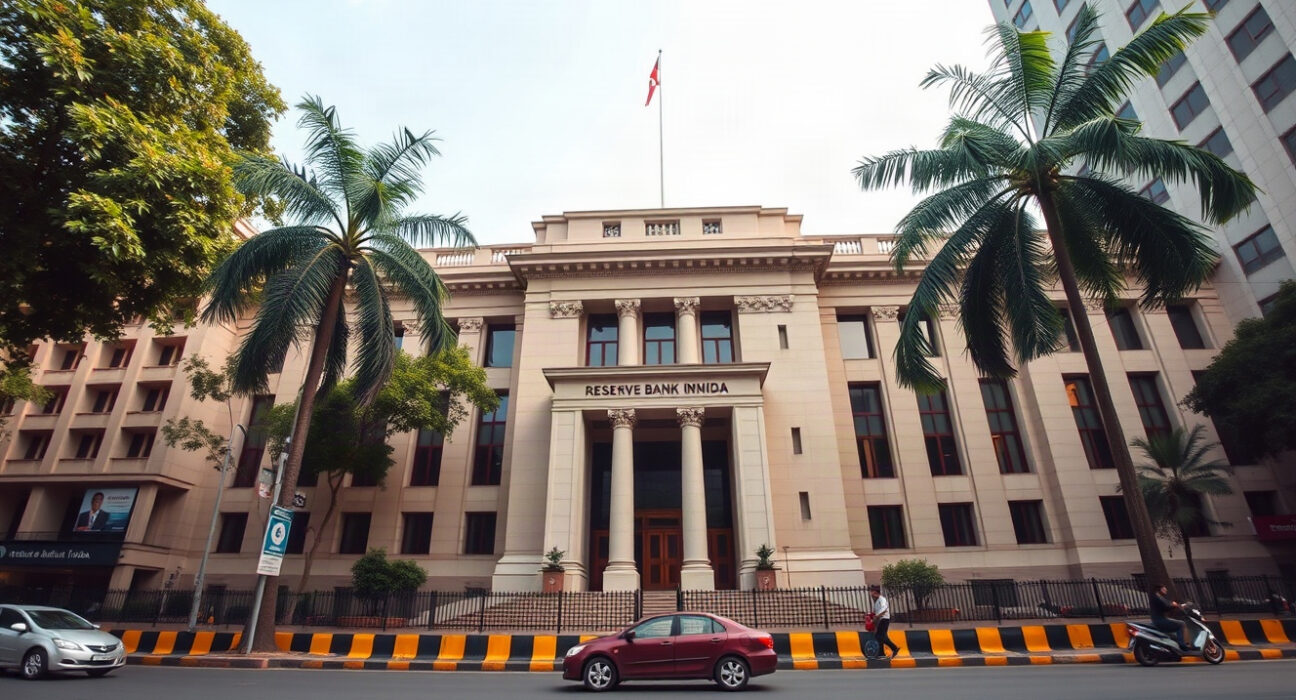
India’s foreign exchange reserves increased to $716.91 billion as of August 10, up from $707 billion in the previous reporting period, according to the latest data from the Reserve Bank of India (RBI). This marks a notable rise of approximately $9.91 billion in a single week, reflecting ongoing strength in the country’s external financial position.
What Drove the Increase in Forex Reserves?
The surge in reserves is primarily attributed to valuation gains stemming from fluctuations in global currency and asset prices. A significant portion of India’s reserves is held in foreign currencies, gold, Special Drawing Rights (SDRs), and the RBI’s reserve position in the International Monetary Fund (IMF). When the US dollar weakens against other major currencies, the value of these non-dollar assets increases when converted to dollars, boosting the overall reserve figure.
Additionally, the RBI’s interventions in the foreign exchange market to manage volatility and stabilize the rupee may have contributed to the accumulation. The central bank often buys dollars when the rupee strengthens, adding to reserves, and sells dollars when the rupee faces depreciation pressure.
Context and Historical Perspective
India’s forex reserves have been on a steady upward trajectory, crossing the $700 billion mark earlier this year. The latest figure of $716.91 billion represents a historic high, reinforcing the country’s ability to cushion against external shocks, such as global commodity price spikes or sudden capital outflows. For comparison, the reserves stood at around $640 billion in early 2023, showing consistent growth over the past year and a half.
This robust buffer provides confidence to international investors and credit rating agencies, supporting India’s sovereign credit profile. It also gives the RBI more room to manage the exchange rate without depleting reserves, which is crucial for maintaining macroeconomic stability.
Implications for the Indian Economy and Global Markets
A strong reserve position helps India weather global economic uncertainties, including potential shifts in US Federal Reserve policy or geopolitical tensions that could trigger capital flight from emerging markets. It also ensures adequate import cover—currently sufficient to finance around 11 months of imports—providing a safety net for essential commodities like crude oil and gold.
For global investors, the rising reserves signal resilience, often leading to positive sentiment for Indian assets. It may also influence the RBI’s monetary policy stance, as a comfortable reserve buffer reduces the urgency to hike interest rates solely to defend the currency.
Conclusion
India’s foreign exchange reserves climbed to $716.91 billion as of August 10, up from $707 billion, driven by valuation gains and likely RBI market operations. This historic high underscores the country’s strong external position, offering a cushion against global volatility and reinforcing investor confidence. As global economic conditions evolve, the RBI’s management of these reserves will remain a key factor in maintaining financial stability.
FAQs
Q1: What are foreign exchange reserves?
Foreign exchange reserves are assets held by a central bank in foreign currencies, gold, SDRs, and IMF reserve positions. They are used to back liabilities and influence monetary policy, and they provide a buffer against economic shocks.
Q2: How does a rise in forex reserves affect the average Indian?
A higher reserve level generally stabilizes the rupee, reducing import costs and inflation. It also signals economic strength, which can boost foreign investment and job creation.
Q3: What is the significance of the $716.91 billion figure?
It marks a record high for India, reflecting strong external finances. This level of reserves provides a comfortable import cover and enhances the country’s ability to manage currency volatility.
Disclaimer: The information provided is not trading advice, Bitcoinworld.co.in holds no liability for any investments made based on the information provided on this page. We strongly recommend independent research and/or consultation with a qualified professional before making any investment decisions.
