

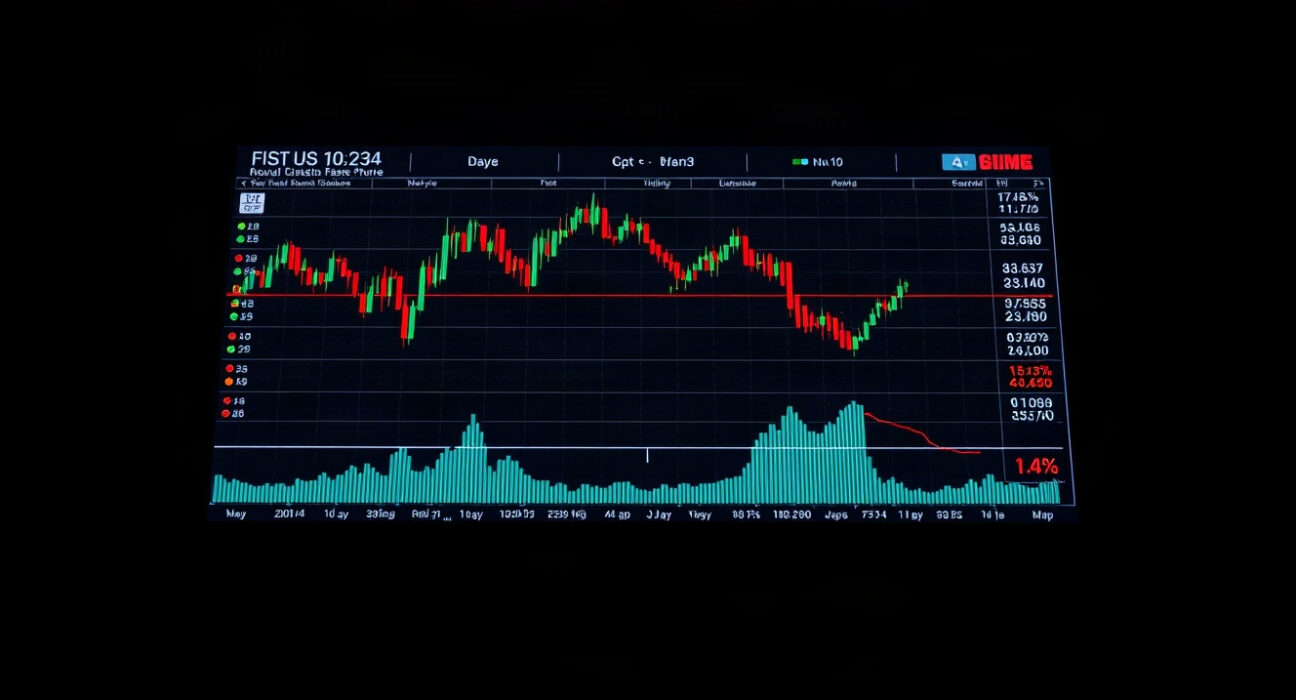
Cryptocurrency derivatives markets have experienced a significant spike in liquidations over the past day, with data from major exchanges showing $113 million in leveraged futures positions wiped out within the last hour alone. Over the past 24 hours, the total has climbed to approximately $1.49 billion, reflecting a sharp increase in market volatility and the cascading effect of leveraged positions being forced to close.
What’s Driving the Liquidations?
The recent surge in liquidations comes amid a period of heightened price swings across the digital asset market. Bitcoin, the largest cryptocurrency by market capitalization, has seen its price fluctuate notably in recent sessions, with rapid moves triggering stop-losses and margin calls on both long and short positions. According to data from Coinglass, the majority of the liquidated positions were long positions, indicating that many traders were caught off guard by the downward price movement.
Market analysts point to several factors contributing to the volatility, including macroeconomic uncertainty, regulatory news, and shifts in investor sentiment. The broader financial markets have also been under pressure, with traditional equities experiencing similar turbulence. In such an environment, highly leveraged positions in crypto futures are particularly vulnerable to sharp price movements.
Impact on the Broader Crypto Market
Liquidations can exacerbate price movements, creating a feedback loop where forced selling pushes prices down further, triggering additional liquidations. This can lead to a cascade effect, amplifying volatility and potentially leading to further losses for traders. The current episode underscores the risks associated with high leverage in the crypto derivatives market, which has grown significantly in recent years.
For long-term investors, such events can present both risks and opportunities. While leveraged traders face the brunt of the losses, those with spot positions may view the volatility as a chance to accumulate assets at lower prices. However, the broader market impact can be felt across exchanges and lending platforms, as seen in past liquidation events.
Why This Matters to Crypto Traders
Understanding liquidation dynamics is crucial for anyone involved in crypto trading, particularly those using leverage. The current data highlights the importance of risk management, including setting appropriate stop-loss orders and avoiding excessive leverage. It also serves as a reminder of the inherent volatility of the crypto market, which can change dramatically within a short period.
For those monitoring the market, the recent liquidation figures are a clear indicator of the current sentiment and the level of uncertainty among traders. While the market has shown resilience in the past, the rapid pace of these liquidations suggests that caution remains warranted.
Conclusion
The $1.49 billion in liquidations over the past 24 hours represents one of the more significant volatility events in recent weeks, highlighting the fragile nature of leveraged trading in the crypto space. As the market continues to navigate macroeconomic headwinds and regulatory developments, traders should remain vigilant and consider the potential for further price swings. The data serves as a stark reminder of the risks involved in derivatives trading, and the importance of a well-thought-out strategy.
FAQs
Q1: What are futures liquidations in cryptocurrency trading?
Futures liquidations occur when a trader’s leveraged position is automatically closed by the exchange due to insufficient margin, typically triggered by adverse price movements. This process helps prevent the exchange from incurring losses but results in the trader losing their initial margin.
Q2: Why do liquidations happen in clusters?
Liquidations often happen in clusters because price movements can trigger a cascade effect. When a large position is liquidated, it can cause the price to move further in that direction, which then triggers additional liquidations, creating a chain reaction.
Q3: How can traders protect themselves from liquidation?
Traders can protect themselves by using lower leverage, setting stop-loss orders, and maintaining sufficient margin in their accounts. Additionally, staying informed about market conditions and potential volatility triggers can help traders make more informed decisions.
Disclaimer: The information provided is not trading advice, Bitcoinworld.co.in holds no liability for any investments made based on the information provided on this page. We strongly recommend independent research and/or consultation with a qualified professional before making any investment decisions.
